
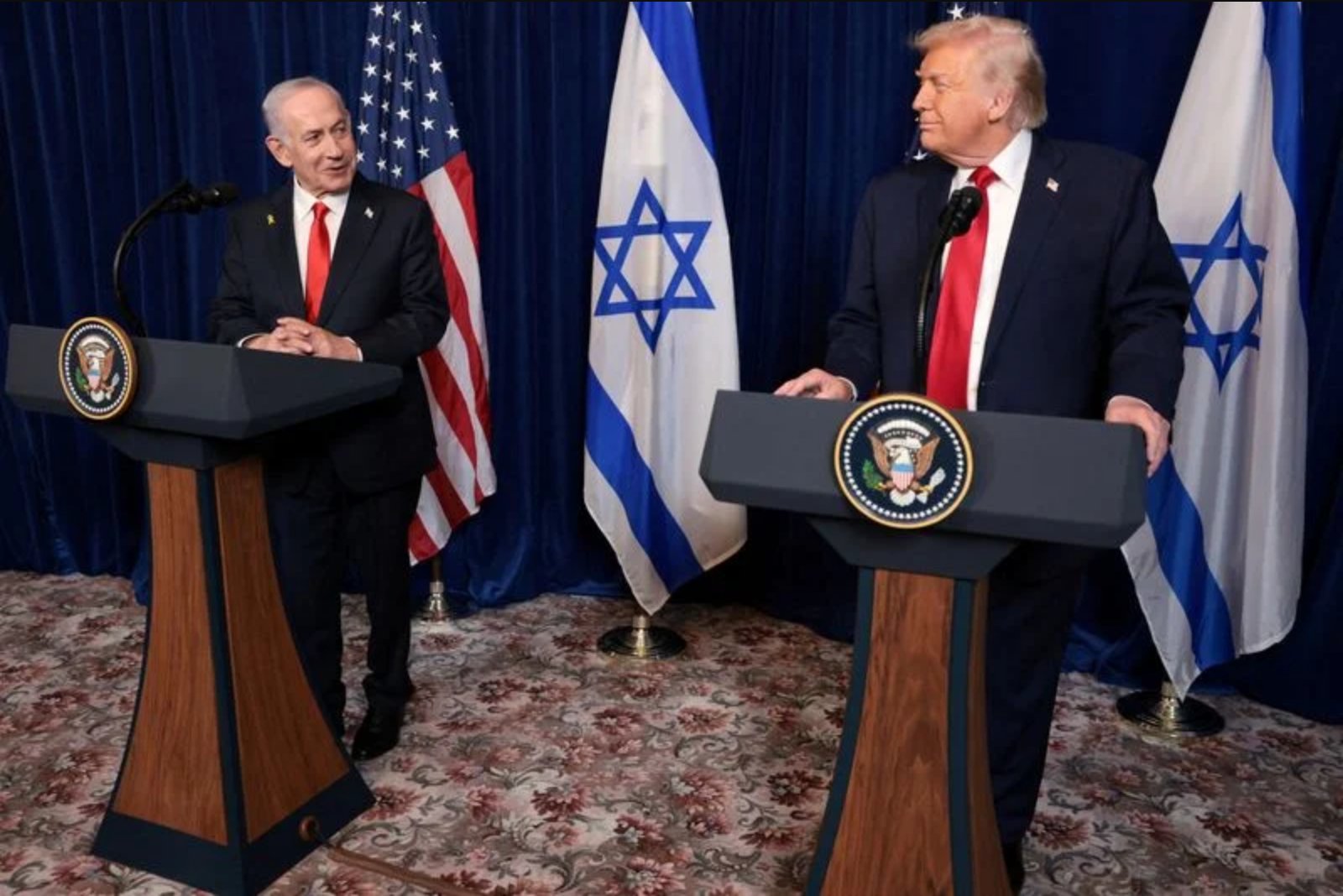
President Donald Trump has confirmed he used an expletive when speaking with Israeli Prime Minister Benjamin Netanyahu about Israel's military actions in Lebanon, acknowledging the remark in a broadcast interview as the United States pursued talks intended to end the wider conflict tied to Iran.
Asked on the "Pod Force One" podcast whether he had called the Israeli leader "effing crazy" and had accused him of ingratitude - a paraphrase of reporting by Axios - Trump replied, "I did." The president added, "I wouldn’t say angry. I was a little bit perturbed at his constantly fighting with Lebanon, you know." He also said, however, that he and Netanyahu "get along very well."
Axios, citing an unnamed U.S. official, reported that during a phone call on Monday Trump told Netanyahu: "You’re fucking crazy. You’d be in prison if it weren’t for me. I’m saving your ass. Everybody hates you now. Everybody hates Israel because of this." In the podcast interview, Trump described urging Netanyahu to stop the fighting, saying: "At some point I said, Bibi, we got to stop this. We got to stop it."
The exchange occurred as the United States worked to negotiate a deal with Iran to end the war that, according to the accounts in the reporting, began in late February with actions by the United States and Israel. Iran, as reported, has made clear it will not accept a deal to end the conflict unless any agreement also includes a ceasefire covering Lebanon. Israel launched an invasion of Lebanon in March after the Iran-aligned Hezbollah militia fired across the border in support of Tehran.
Although a U.S.-mediated agreement announced on Monday led to Israel stepping back from attacks on Hezbollah-controlled southern suburbs of Beirut and prompted the Iran-backed group to halt cross-border strikes, fighting has continued in the region. Lebanese security sources said Israeli drone strikes killed at least six people in southern Lebanon and that a car was targeted just south of Beirut on Wednesday. Israel reported it intercepted a hostile aircraft that it said was likely fired by Hezbollah.
When asked if Netanyahu had "tricked" him into attacking Iran, Trump bristled at the suggestion and called his critics "the enemy." The president has used expletives about the parties involved before; last year he publicly said Israel and Iran "don’t know what the fuck they are doing."
The account of the phone call and the subsequent confirmation by the president underscore continuing tensions among key players even as the United States attempts to broker a halt in the fighting. Details of Washington's negotiations and the precise contours of what Iran demands for any deal - specifically the inclusion of a Lebanese ceasefire - remain central to whether a broader settlement can be secured.