
Indonesia's recent trade agreement with the United States, which included a cut in tariffs and commitments to raise purchases of several U.S. agricultural commodities, may be difficult to implement in full, according to traders and industry groups. The most contentious element is a very large proposed increase in soymeal imports, a move that could require the state to step in and buy substantial volumes.
Under the deal finalised last week, Jakarta agreed to lower U.S. tariffs on its goods to 19% from 32%, while exempting certain key export commodities such as palm oil, cocoa and rubber from import duties. In exchange, Indonesia pledged to increase annual imports from the U.S. for a range of farm products: wheat to 2 million metric tons from 1.1 million tons last year; soybeans to 3.5 million tons from 2.2 million tons; and soymeal to 3.8 million tons from 216,257 tons. The package also includes commitments for 100,000 tons of U.S. corn and 163,000 tons of cotton, along with purchases of beef and fruit.
Traders familiar with Indonesia's grain and feed markets question whether the country can absorb such dramatic increases, particularly for soymeal. A trader at an international trading company that supplies wheat and feed grains to Indonesia noted that Indonesian millers have already expanded purchases of U.S. wheat, adding that the country’s buying rose to 1.1 million tons in 2025 from 750,000 tons the year before. "At best, they can buy 1.25 or 1.3 million tons in 2026," the trader said.
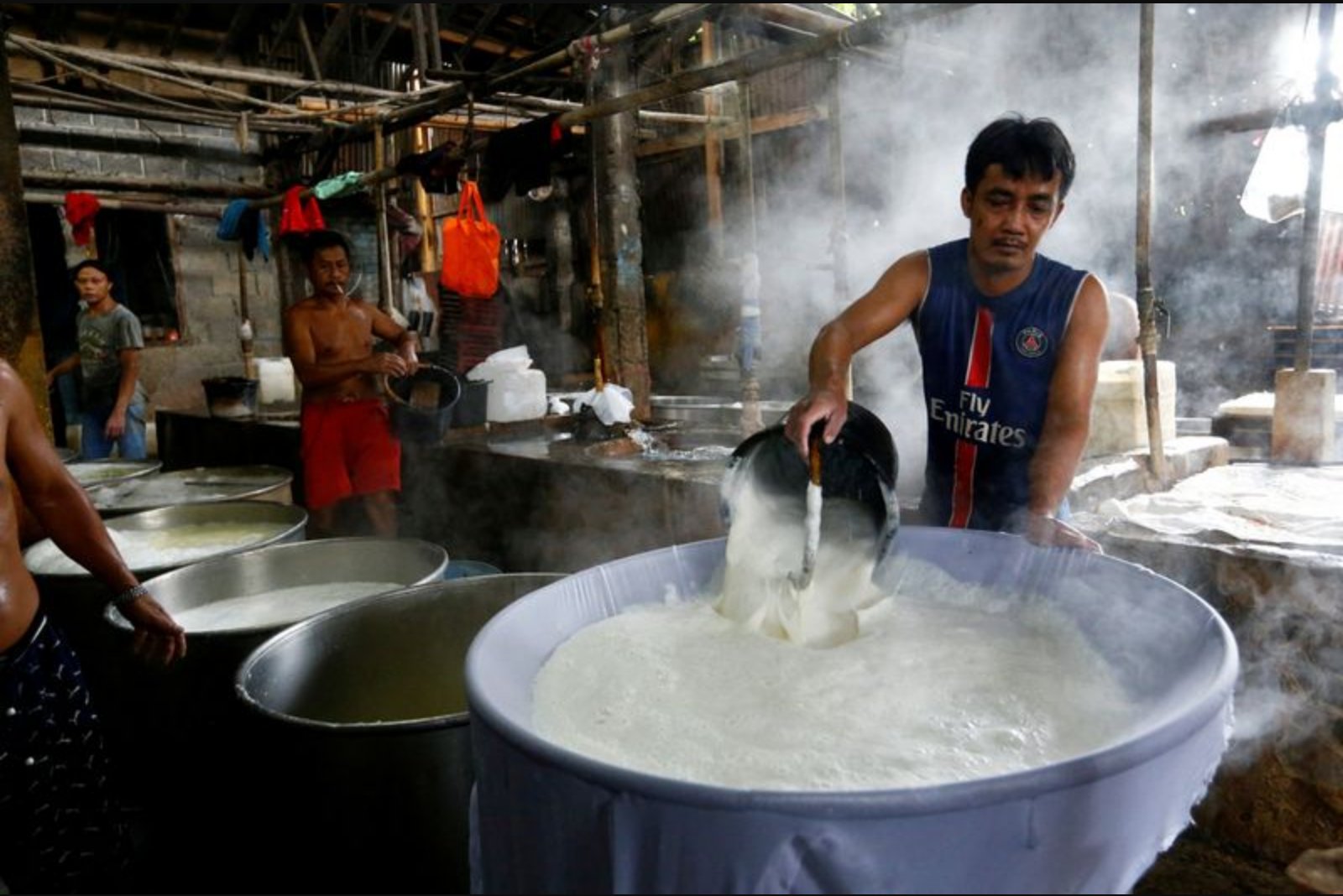
For soybeans, Indonesia already sources most cargoes from the U.S. to meet growing domestic demand for products such as tofu and tempeh. But the new commitment to buy 3.5 million tons of soybeans annually exceeds the country's overall yearly soybean imports. Akindo, the national association of soybean importers, said Indonesia consumes between 2.7 million and 2.9 million tons of soybeans each year, nearly all of which is imported.
"The commitment to purchase 3.5 million tons per year needs to be assessed realistically so that it will not exceed domestic demand, disrupt supply balance," Akindo Chairman Hidayatullah Suralaga said on Tuesday.
The discrepancy is starker for soymeal. Indonesia bought 216,257 tons of U.S. soymeal in 2025, a figure that represents roughly a 50% increase from the prior year but remains far below the 3.8 million-ton commitment. At the same time, Indonesia's total soymeal imports reached 5.96 million tons in 2025.
To meet the new purchasing targets, Jakarta could direct Berdikari, the state-owned enterprise now assigned responsibility for feed-grain procurement, to acquire larger volumes of U.S. soymeal even if offered prices are higher than those from alternative suppliers, a Singapore-based grain trader said. Late last year, the government shifted the role of making feed-grain purchases from private importers to Berdikari effective from 2026.
Officials have signalled ambitious procurement targets for Berdikari. Agung Suganda, director general of livestock and animal health at the Agriculture Ministry, said on December 30 that Berdikari had been tasked with importing around 5 million tons of soybean meal in 2026 to supply feed mills and smallholder poultry farmers. Berdikari's Corporate Secretary Hasbi Al-Islahi said on Tuesday that the company is preparing to import soybean meal and is awaiting government regulations to enable those purchases, which it expects to be issued in March.
Traders and industry associations point to a number of practical constraints: existing demand levels for soybeans, the ability of local mills to increase processing, the rapid scale-up in soymeal volumes compared with recent trade flows, and the potential cost implications if state-directed purchases prioritise meeting commitments over price competitiveness. These factors, they say, complicate Indonesia's ability to deliver on the most substantial pledges in the deal with Washington.
Key facts at a glance
- Tariffs on U.S. goods from Indonesia reduced to 19% from 32%; palm oil, cocoa and rubber exempted.
- Indonesia agreed to raise U.S. wheat imports to 2 million tons, soybeans to 3.5 million tons, and soymeal to 3.8 million tons.
- Indonesia imported 1.1 million tons of U.S. wheat in 2025 and 216,257 tons of U.S. soymeal in 2025; overall soymeal imports were 5.96 million tons in 2025.
- Berdikari has been mandated to handle feed-grain purchases from 2026 and was assigned to import about 5 million tons of soymeal for 2026.