
Overview
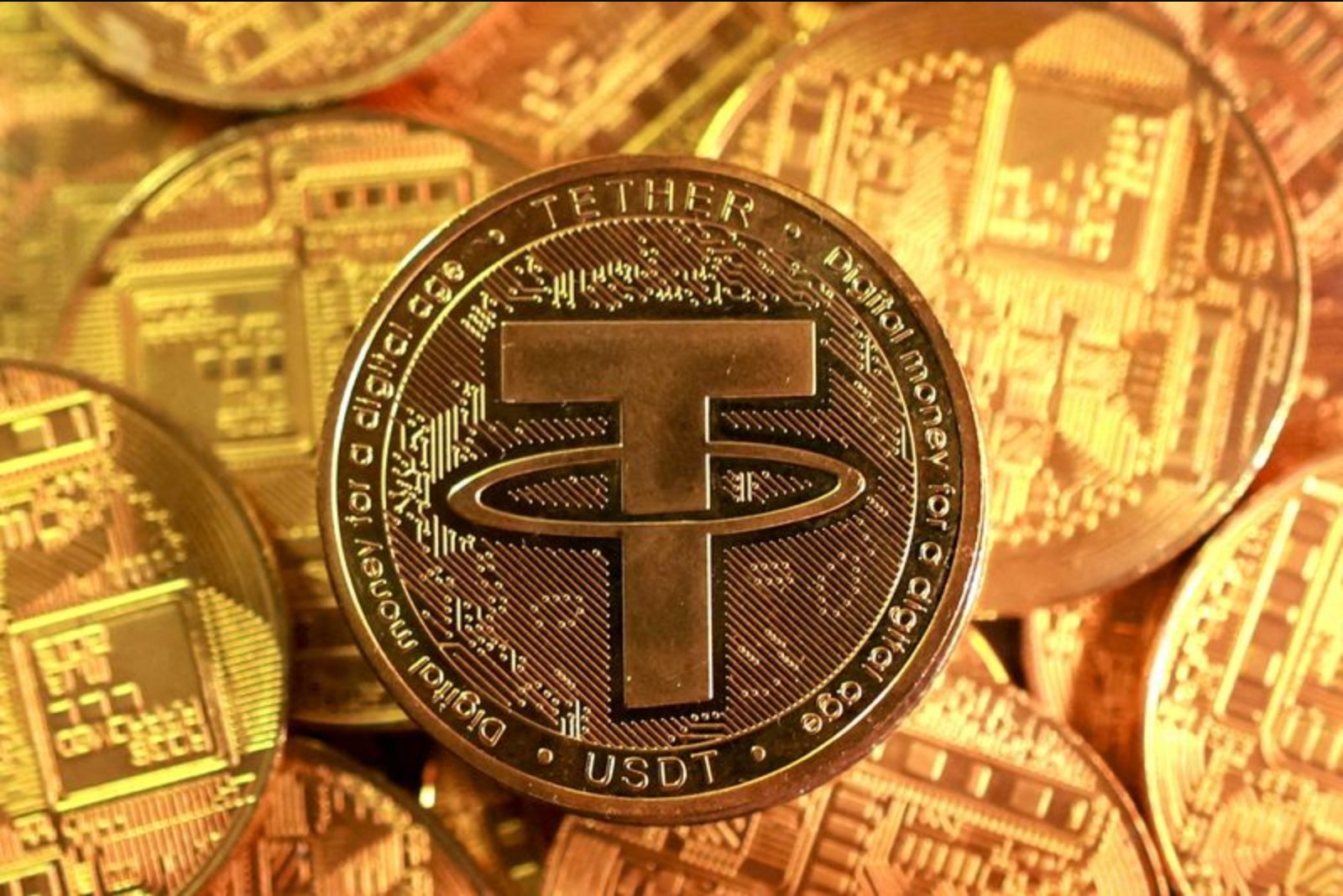
Tether, the issuer of the largest stablecoin by market value, slowed the pace of gold purchases used to bolster the reserves underpinning its USDT token in the first quarter. The company acquired about 6 metric tons of gold in the quarter, down from 27 metric tons purchased in the October-December period, according to its quarterly report.
Reserves and compositions
The group has positioned itself as a notable buyer of physical gold for reserve purposes over the past year, maintaining holdings both for the dollar-pegged Tether USDT and for its gold-backed token, Tether XAUT. USDT is a digital dollar equivalent in its issued tokens and had $189.5 billion in circulation at the time of the report; XAUT had $3.3 billion in circulation.
Each USDT token is intended to be matched by assets of equivalent value held by Tether. When a user deposits a dollar with the company, Tether issues one USDT and holds an equivalent-value asset in reserve - commonly U.S. Treasury bills, among other assets - so that USDT can be redeemed for dollars if required. The XAUT token is described as fully backed by physical gold.
Gold holdings and relative scale
The company reported that reserves backing USDT included gold valued at $19.8 billion at the end of March. That bullion valuation corresponds to roughly 132 metric tons of gold at market prices then, compared with about 126 metric tons at the end of December, based on calculations using the reported valuations.
Reserves backing USDT remain weighted heavily toward U.S. Treasury bills, which comprised $117 billion of those reserves at the end of March. Gold accounted for approximately 10% of the reserve mix at that time. Bitcoin constituted $7 billion of the reserves.
For the XAUT product specifically, separate disclosures indicated Tether currently holds 22 metric tons of physical gold to back that token, an increase of 6 tons since the end of December.
Aggregate position and ranking context
Combining the holdings reported for both products, Tether's gold holdings total about 154 metric tons. That aggregate position would place the company among the top 20 holders of gold worldwide if it were a central bank, ranking behind a country cited as holding 172 tons. The company does not publish a full ledger of its bullion holdings, so the disclosed figures may not reflect the entirety of its physical gold exposure.
Strategic intentions and operational changes
Tether's CEO indicated in January that the company planned to allocate between 10% and 15% of its own $20-billion investment portfolio to physical gold. The group had also intended to actively manage its dedicated gold investment by hiring two major traders in late 2025, but both hires were released in March, according to a source familiar with the matter.
Multiple sources familiar with the situation described the active trading approach as unworkable within the company, citing a supervising structure above the traders that created an organisational constraint. "It just did not work," one source said.
Implications
The report illustrates a continued commitment to holding physical gold as part of Tether's reserve strategy, albeit with slower acquisition of bullion for USDT in the most recent quarter. The disclosed reserve mix indicates a heavy reliance on U.S. Treasury bills, alongside allocations to gold and Bitcoin, while organisational limits have affected plans to actively trade gold within the firm.