
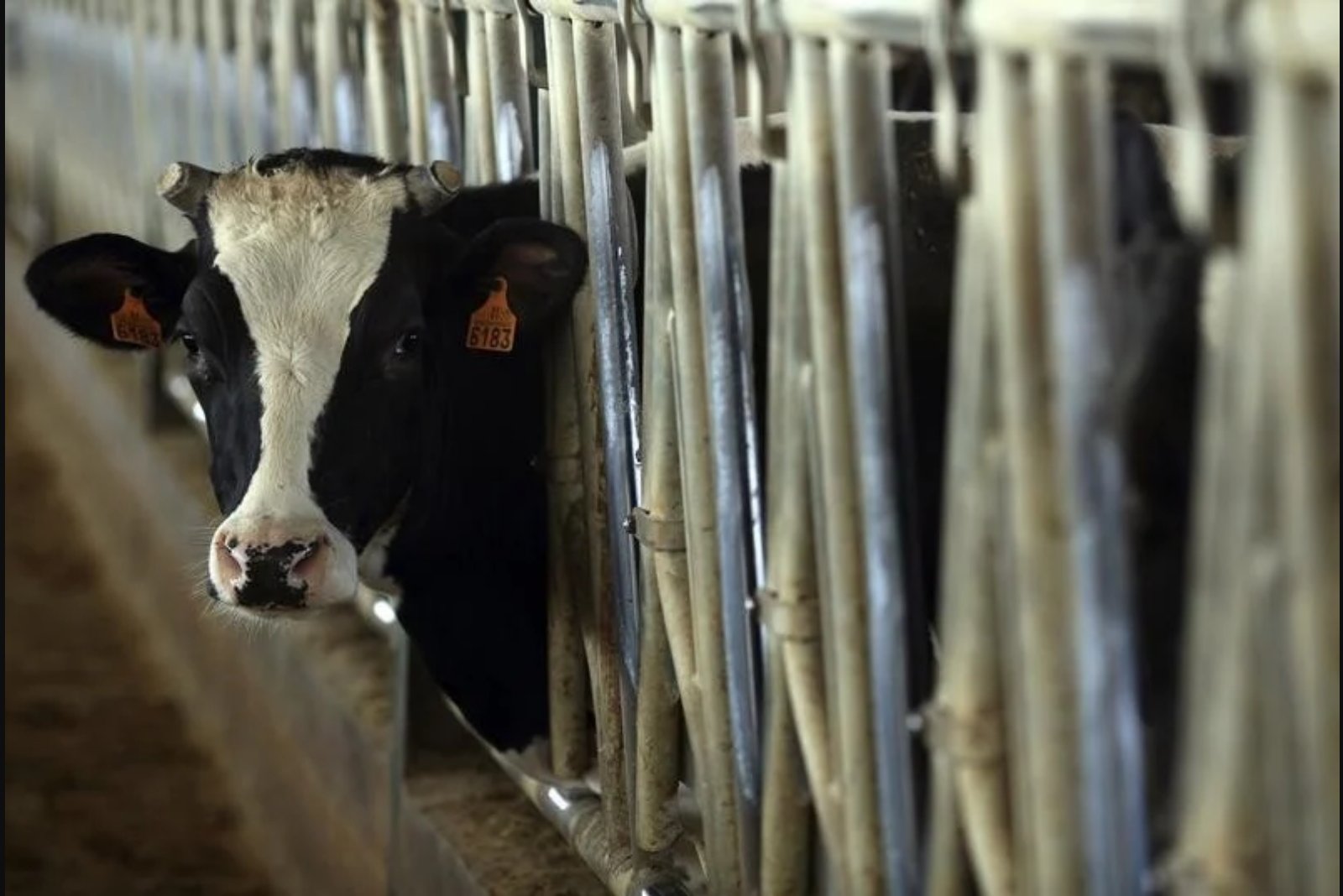
Samples from a suspected infestation of the New World screwworm parasite on a cattle operation in La Pryor, Texas have been dispatched to a federal government laboratory in Iowa for diagnostic testing, according to statements made Wednesday by Texas Representative Don McLaughlin.
McLaughlin said the samples were taken from two calves on the same ranch on Tuesday. He also said he had reviewed photographs and video of the cases. A photograph that McLaughlin identified as depicting the same incident circulated among livestock producers earlier on Wednesday and coincided with market volatility in cattle futures. The photograph could not be immediately verified.
The Texas Animal Health Commission has stated there is no confirmed case of New World screwworm in Texas. The U.S. Department of Agriculture, which leads the national screwworm prevention program, did not immediately respond to a request for comment on the La Pryor samples.
Earlier in the week the USDA had issued a statement saying that one public account - which had indicated a confirmed case one mile south of the Texas border - contained inaccurate information. Separately, the USDA confirmed a case 25 miles south of the Texas border in Coahuila state on Tuesday.
At this stage, the situation rests on laboratory results from the federal lab in Iowa and public statements from state and federal animal health authorities. The circulation of imagery among producers and the collection of samples from two calves have already influenced market sentiment, according to participants tracking cattle futures.
The timeline as presented publicly is limited to the sample collection on Tuesday, the public comments from Representative McLaughlin on Wednesday, the Texas Animal Health Commission's statement denying any confirmed Texas case, and the USDA confirmation of a separate case in Coahuila state. Officials continue to await laboratory confirmation to establish whether the La Pryor animals are infected.
Given the information available, stakeholders are monitoring diagnostic findings and official agency guidance closely. Further updates will depend on the laboratory's test results and any subsequent confirmations from animal health authorities.