
Lead
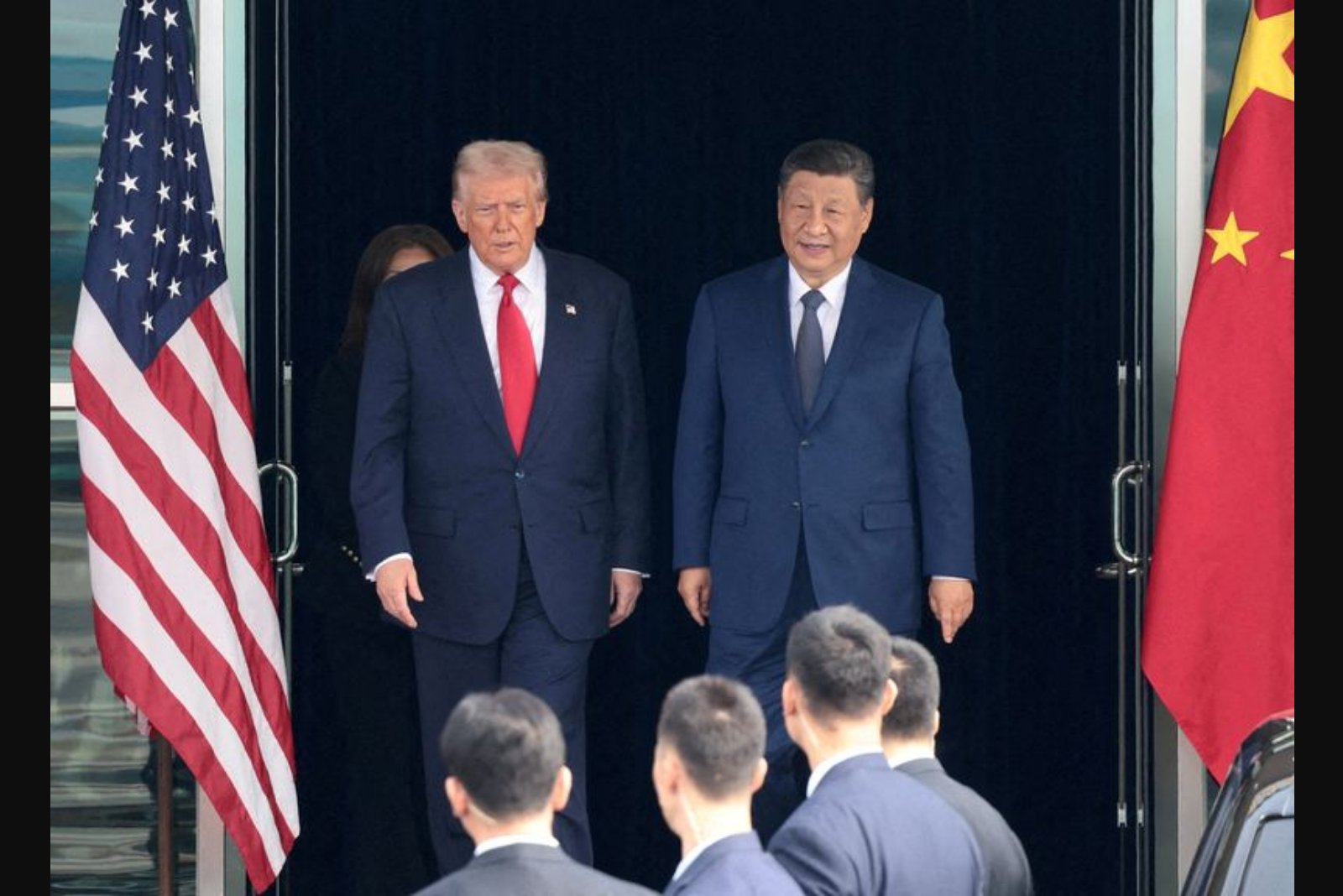
U.S. President Donald Trump’s request to delay a planned summit in Beijing with Chinese leader Xi Jinping has tempered the recent improvement in ties between the two countries, according to analysts who say the pause is consequential but unlikely to produce a major rupture.
The request highlights how the conflict in Iran has disrupted the U.S. foreign policy calendar and added another contentious issue - war - to an already crowded agenda that includes trade and Taiwan. The postponement comes just after high-level trade talks in Paris, a meeting intended to pave the way for the Beijing visit that had been scheduled for the end of the month.
Negotiations and the pause
Officials from both sides concluded a two-day negotiation in Paris that sought to lay groundwork for the summit. In those talks, Chinese representatives signalled openness to increased purchases of U.S. agricultural products, including poultry, beef and non-soybean crops, according to a source familiar with the Paris sessions. The meetings also covered rare earth mineral flows and discussed new frameworks for managing trade and investment between the countries.
State-run China Daily characterised the Paris discussions as "constructive" in an editorial, but cautioned Washington that Beijing’s willingness to engage should not be taken as submission. "The U.S. side should refrain from taking any further actions that could disrupt or undermine a stable China-U.S. economic relationship. Actions that inject uncertainty - whether tariffs, restrictive measures or unilateral investigations - do just that," the editorial said.
Complicating factors
Analysts point to two immediate forces complicating summit planning. First, the Iran conflict has reshaped priorities in Washington, drawing attention and resources toward coordinating military efforts. Second, U.S. trade policy remains unsettled after the U.S. Supreme Court struck down global tariffs implemented by the Trump administration, prompting new investigations into what the White House calls "unfair trade practices" aimed at restoring trade pressure globally, including on China.
Zhao Minghao, an international relations expert at Fudan University in Shanghai, told Reuters that "the situation is not in jeopardy, and Beijing still wants to organise the summit, but the U.S.-Iran conflict and the Supreme Court ruling on tariff policies have complicated these efforts." Zhao added that the delay provides time for potential additional trade measures, noting: "The White House says it will continue its tariff policy, but without a doubt, we could see new uncertainties in this regard that impact Beijing’s calculations on dealing with the U.S."
Mixed signals from Washington
U.S. officials have offered differing explanations for the postponement. Over the weekend, President Trump told Britain’s Financial Times he might hold off on the Beijing meeting if China did not assist in unblocking the Strait of Hormuz. The next day, U.S. Treasury Secretary Scott Bessent said the delay could be needed to support coordination of the war effort - not because of China’s role in patrolling the strait or because of trade disputes.
Despite those mixed messages, analysts say both governments prioritise keeping relations steady and continue to plan for a successful summit. For China, an export-dependent economy, managing the growing uncertainty in global markets is paramount.
Perspectives from analysts and officials
Neil Thomas, a fellow on Chinese politics at the Asia Society, assessed that Trump is preoccupied with a war in Iran that has not been resolved as quickly as anticipated. "He is keen to ensure that the military and economic fallout from that is contained within the next couple of weeks or so ... which means planning a successful visit to Beijing is next to impossible," Thomas said.
Thomas added that China may welcome extra time to prepare. "From China’s perspective, there’s been a lot of concern in Beijing about the lack of preparations from the American side for the summit so Chinese policymakers wouldn’t mind an extra few weeks to prepare for a more substantive visit," he noted.
Chinese foreign ministry spokesperson Lin Jian reiterated that high-level diplomacy plays a crucial role in guiding bilateral relations and said both sides remain in communication about the trip.
Outlook
Analysts observing the situation say the postponement introduces more near-term uncertainty into U.S.-China relations and could leave room for additional trade actions before a summit is rescheduled. Nonetheless, most of those analysts believe the episode will not irreparably damage a relationship that has shown relative stability since leaders last met in October. Both capitals appear to remain committed to dialogue even as the timing of the next presidential meeting is adjusted.
Note: The article reflects statements from experts, official comments and reporting of the Paris trade talks and related diplomatic developments as described by sources briefed on the meetings.