
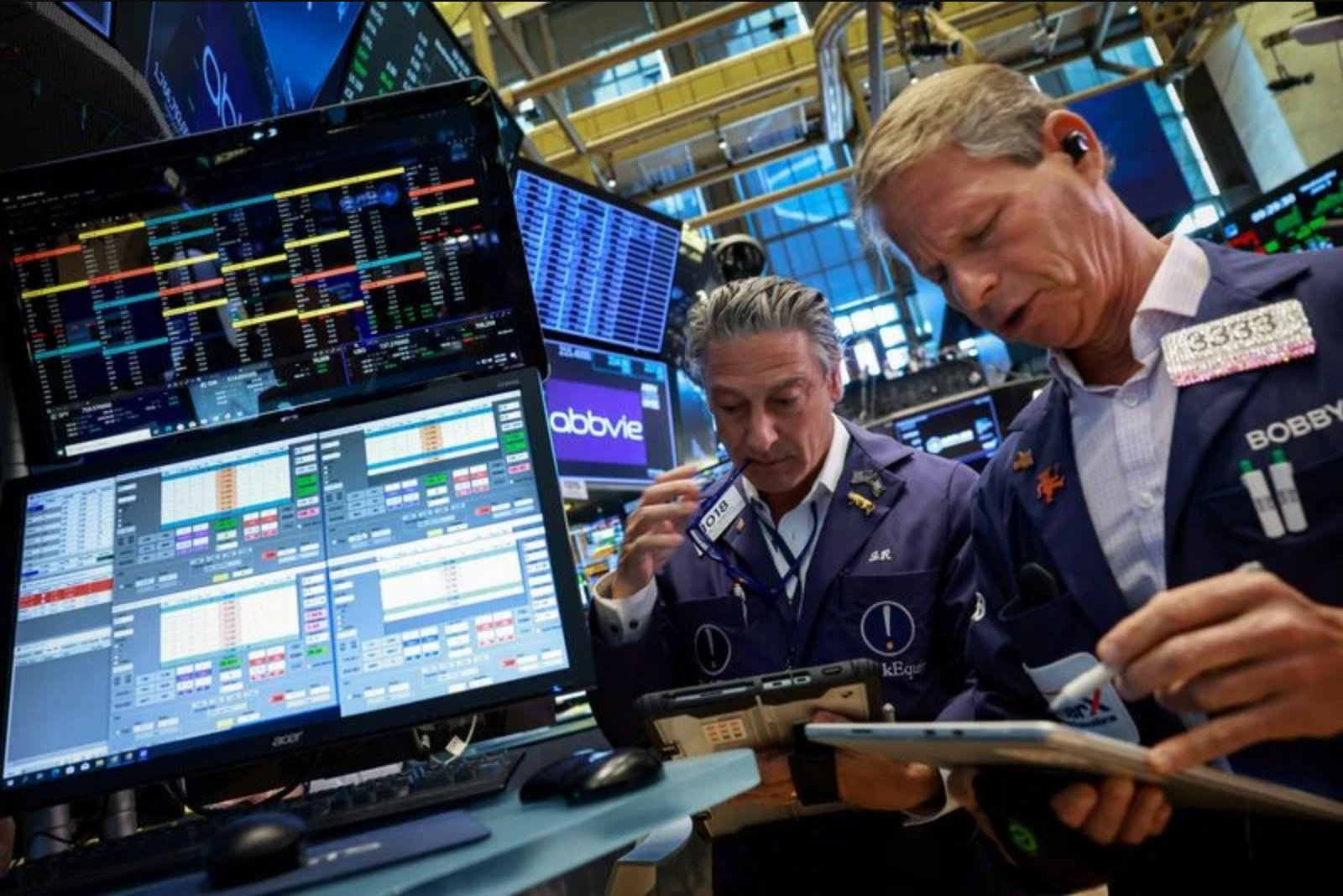
U.S. equity momentum slowed on Wednesday as the S&P 500 failed to extend what would have been a 10th straight daily advance, and a range of market developments suggested the environment is growing less uniformly positive.
Corporate shockwaves came from the chip sector, where Broadcom - now the world’s sixth-biggest company by market capitalization - saw its shares react sharply after reporting results that slightly missed sales and revenue projections. The stock fell by more than 13% overnight, underscoring how narrow the margin for disappointment has become in a market that has recently rewarded businesses tied to artificial intelligence. Market participants described the bar for positive surprises as extremely high.
That setback contrasted with fresh highs across some chip-design peers. Shares of Marvell Technology climbed to a record after comments from Nvidia’s chief executive, who said it is likely to become a trillion-dollar company. Those divergent moves underscore both intense competition in the semiconductor space and pronounced investor focus on AI-related narratives.
Macro picture and rate expectations
On the macro front, the Federal Reserve’s Beige Book reported a pickup in activity at a time when energy price inflation has become more pervasive. This view was echoed in May readings from ISM business surveys and labor market data such as the ADP private sector payrolls report, which showed a stronger-than-expected gain of 122,000 jobs. The official May employment report is slated for release tomorrow.
Those signs of resilience have pushed market pricing toward a more hawkish stance on monetary policy. Futures now reflect almost a 50% probability of a Federal Reserve rate increase as soon as October, a material shift from expectations that had been more weighted toward policy stability.
Energy, geopolitics and inventories
Energy markets remain a focal point. Global crude supplies enter a crunch month with oil prices elevated, and U.S. inventories showed a sharper-than-expected draw. The Energy Information Administration reported U.S. crude stockpiles declined by 8 million barrels to 434 million barrels in the week ended May 29 - a withdrawal roughly double what analysts had anticipated.
Geopolitical developments are complicating the outlook. Reports of a ceasefire between Israel and Lebanon had briefly raised hopes of a broader settlement involving Iran, but fighting persisted in southern Lebanon on Thursday, tempering those expectations. Such ongoing hostilities continue to underpin higher crude prices, with global oil still around 35% above pre-war levels.
Markets and flows
Currency markets have been relatively calm, but the Japanese yen continued to weaken toward the 160-per-dollar mark. That movement has occurred even as Bank of Japan sources warned that an interest rate increase is likely this month unless a significant escalation in Middle East conflict alters market conditions.
Across private markets, there are signs of strain. Swiss asset manager Partners Group has received heavy redemption requests for some funds and will impose a cap on withdrawals from its $16 billion U.S.-based fund after outflows exceeded the 5% quarterly limit. The move highlights renewed jitters in private equity and credit markets.
As trading opened on Thursday, U.S. stock index futures were trading lower, while oil prices and Treasury yields eased back slightly from Wednesday’s intra-day peaks. Meanwhile, bitcoin has lost momentum; it has declined almost 20% since mid-May and slid to its lowest level since February on Wednesday.
Chart of the day
Despite a tentative ceasefire between Israel and Lebanon that briefly raised hopes for a wider deal, fighting continued in parts of southern Lebanon and across the Gulf region. That dynamic has helped keep global crude prices elevated and raised concern about dwindling stock reserves.
Events to watch
- U.S. weekly jobless claims - 8:30 a.m. EDT
- U.S. Q1 productivity and costs - 8:30 a.m. EDT
- Speeches from Fed officials Michelle Bowman, Thomas Barkin of the Richmond Fed, Jeffrey Schmid of the Kansas Fed, and Mary Daly of the San Francisco Fed
The coming data and central bank commentary will be scrutinized for signals about the durability of economic momentum and how persistent energy price pressures may influence policy deliberations.
Market implications
The combination of stretched valuations in AI-linked tech stocks, continued strength in activity indicators, elevated oil prices and episodic geopolitical risk is producing a more nuanced market backdrop. Investors and strategists are balancing robust growth signals against narrower tolerances for corporate earnings shortfalls, signs of stress in private markets, and the potential for monetary tightening should inflationary pressures prove stickier than expected.
For now, cash flows into and out of different market segments are reflecting that recalibration: some semiconductor names have sprinted higher on AI optimism, while an earnings miss at a major industry player has produced a swift negative re-rating. At the same time, energy-related developments and inventory dynamics are imposing upward pressure on prices and shaping both policy expectations and risk assessments.
These intersecting forces will likely continue to influence near-term market behavior as investors weigh incoming economic data, corporate results and geopolitical developments against lofty valuations in certain sectors.