
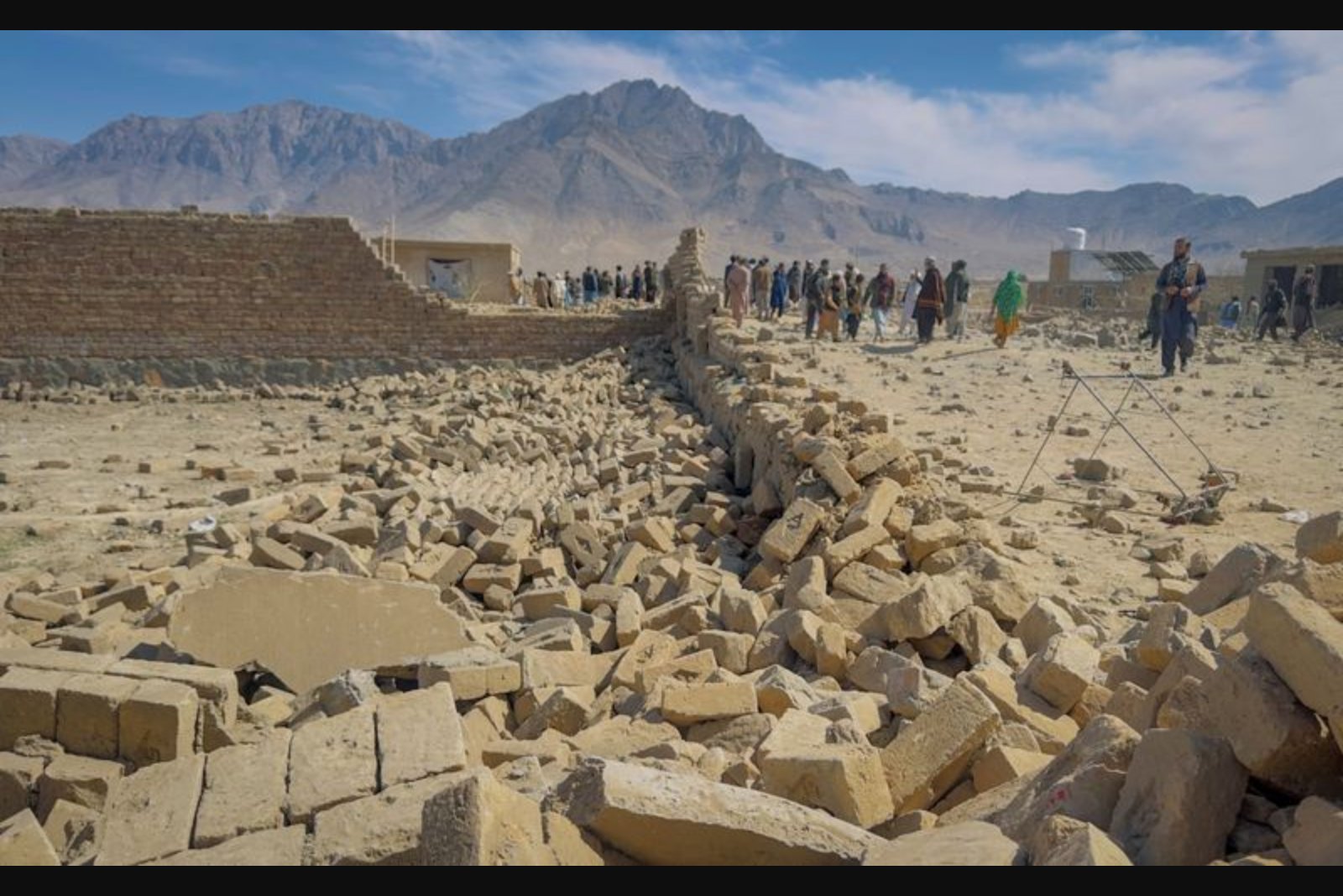
Pakistan carried out a bombing on the fuel depot belonging to private airline Kam Air near Kandahar airport, the Taliban said, in what the group described as a significant escalation in the recent cross-border conflict. The incident interrupted a period in which no Pakistani air strikes had been reported by either side for just over a week following intensified mediation efforts by China.
According to Taliban statements, the Kam Air facility supplies fuel to civilian carriers and to United Nations aircraft. Taliban spokesperson Zabihullah Mujahid said, "The company (Kam Air) supplies fuel to civilian airlines as well as to United Nations aircraft." He also alleged that Pakistan had conducted bombings in other areas, including the Afghan capital Kabul, and said women and children had been among those killed when civilian homes were struck in some locations. Mujahid added that the aggression would "not go unanswered."
Pakistani security sources reported that the military carried out overnight strikes on four militant hideouts located in Kabul, Kandahar and Paktia province. Those sources said one of the targets included an oil storage facility at the Kandahar airfield.
In turn, Afghanistan's defence ministry said it had launched drone strikes in response, hitting a Pakistani military base in the northern city of Kohat and causing heavy damage. Pakistan's military and its information ministry did not provide a response to a request for comment.
The recent exchanges follow a broader escalation that began last month when Pakistani air strikes entered Afghan territory. Islamabad described those initial strikes as aimed at militant strongholds. Afghanistan responded by calling the actions a violation of its sovereignty and said it had carried out retaliatory attacks.
Ground clashes along the 2,600 km (1,600 mile) border had tapered off in recent days, though intermittent fighting had continued. Chinese mediators had been urging a halt to the violence and had intensified efforts to broker a pause in hostilities; those mediation steps coincided with the week-long lull in reported Pakistani air strikes prior to the Kandahar bombing.
The dispute centers on allegations of militant safe havens. Pakistan has repeatedly said that militants are operating from Afghan soil and carrying out attacks inside Pakistan, while the Taliban denies providing such sanctuary and has characterized militancy as Pakistan's internal issue.
What is known
- Pakistan bombed the Kam Air fuel depot near Kandahar airport, according to the Taliban.
- The facility reportedly supplies fuel to civilian airlines and United Nations aircraft.
- Both sides report further strikes: Pakistan on militant hideouts including an oil storage at Kandahar airfield; Afghanistan on a Pakistani base in Kohat via drone strikes.