
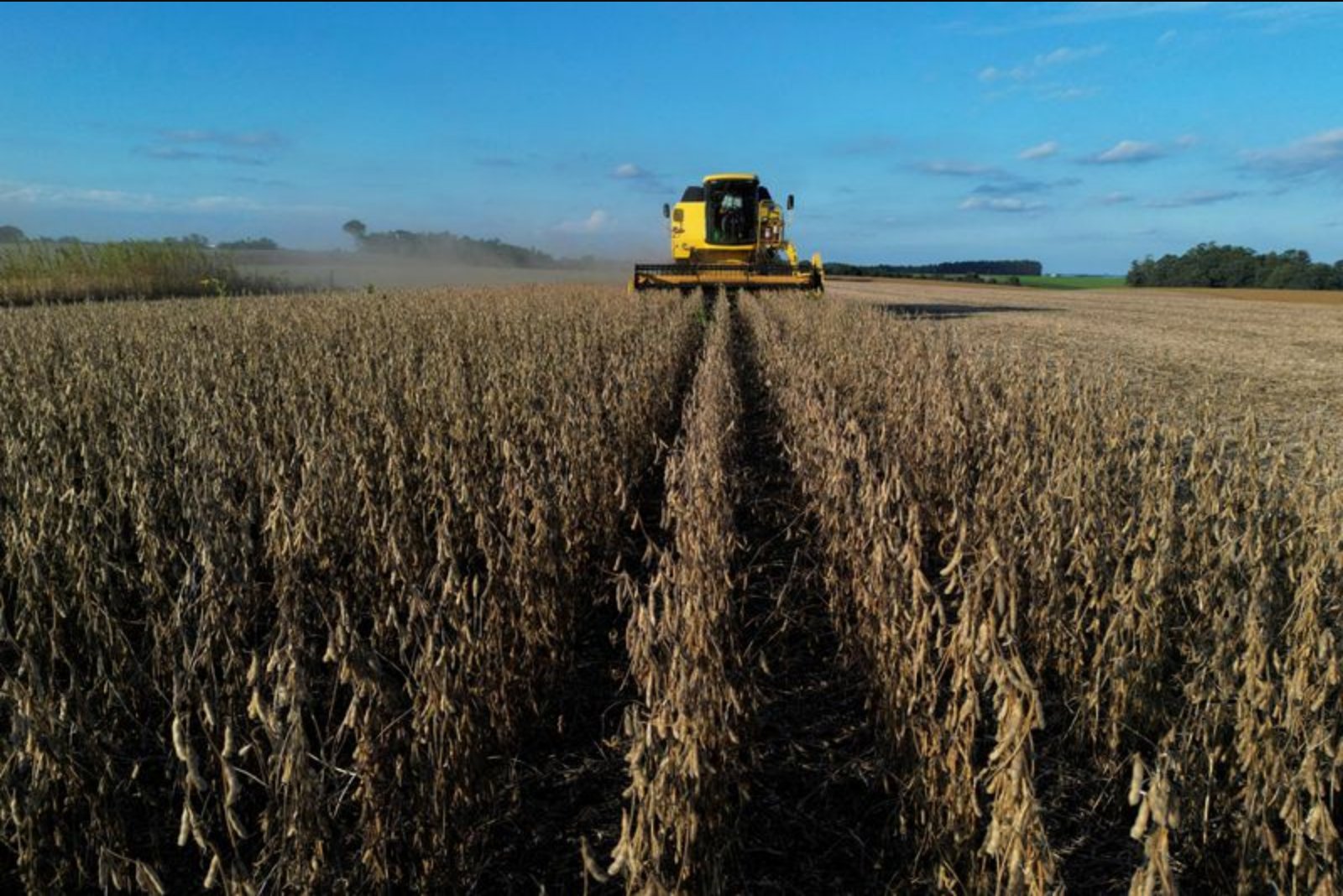
BEIJING/SINGAPORE, March 13 - Heightened phytosanitary inspections are disrupting shipments of Brazilian soybeans bound for China, threatening to tighten flows to the world's largest importer at a critical moment in Brazil's export season. Authorities in Brazil increased checks on soy exports to China after Beijing repeatedly identified pesticide- and fungicide-coated beans, trade participants said.
Four trade sources told market participants that Brazil's Agriculture Ministry stepped up inspection procedures for consignments destined for China. An Asian trader at an international trading firm said Chinese customs across different regions had noted a rise in quality problems in Brazilian shipments, including the presence of live insects, beans coated with seed treatment agents such as pesticides or fungicides, and signs of heat damage.
Importers are now asking Brazilian suppliers for repeated guarantees that cargoes are free of phytosanitary issues before vessels depart, a second Asian trader said, because shipments risk being stopped upon arrival if problems are found. The added pre-departure scrutiny, combined with more rigorous checks upon arrival in China, is extending the time needed for cargoes to be cleared.
Cheang Kang Wei, vice president at StoneX in Singapore, warned that if inspections are tightened and clearance times lengthen on both ends, arrivals could slow in March-April. He noted that such timing effects could create temporary openings for U.S. sellers to increase shipments to China - a market that resumed purchases from the United States in late October following a trade deal. Beijing had not bought any U.S. soybeans from the autumn harvest until late October.
One major trading firm said it had paused Brazilian soybean shipments to China. Cargill's Latin America head said on Wednesday that the company had halted exports from Brazil to China. China’s General Administration of Customs and Brazil’s embassy in Beijing did not immediately respond to requests for comment.
Longer waits and higher costs
At Brazilian ports, longer certification waits for ships are increasing demurrage charges, compounding the impact of elevated freight rates. Consultancy Mysteel reported that freight rates for Panamax vessels from Santos to major northern Chinese ports rose about 24% in March.
Traders said offers to sell Brazilian soybeans to Chinese buyers have thinned amid the combination of stricter phytosanitary controls and higher shipping costs. Brazil soybeans for April shipment, on a cost-and-freight basis, were quoted near $1.22 a bushel over the May CBOT contract this week, compared with $1.12 on February 27, traders reported.
China's soybean imports fell 7.8% during the first two months of the year, a drop that traders attributed in part to delayed Brazilian harvests and extended customs clearance procedures. Soymeal prices on China's Dalian exchange rose on Friday to their highest levels since July 2024, although market contacts said they expect the effect to be temporary as conditions may improve.
StoneX's chief commodities economist, Arlan Suderman, wrote in a client note that Brazil is unlikely to allow export flows to China to be significantly impeded at this peak point in the shipping season.
Outlook and timing
Market participants said the immediate consequence of the tightened checks would likely be disruptions in the pace of ship arrivals and a reduction in the volume of offers available to Chinese buyers. Yet most contacts described these effects as potentially transitory rather than lasting changes to trade patterns, stressing that much will depend on how quickly phytosanitary issues are resolved and on the timing of shipments relative to buyers' needs.
For now, traders and analysts continue to monitor clearance times at ports, demurrage and freight trends, and the volume of offers from Brazilian exporters as indicators of near-term supply pressure in China.