
Global oilfield services leader SLB NV is warning that recent escalation of hostilities in the Middle East has created a measurable headwind for its first-quarter results, as producers curb output and shipments through the Strait of Hormuz slow to a near standstill.
In a sector note, Morgan Stanley lays out the operational and earnings implications for oilfield services, saying SLB now anticipates an EPS impact in the range of $0.06 to $0.09 for the first quarter. The brokerage highlights increased logistics costs and constrained production as the primary sources of the strain.
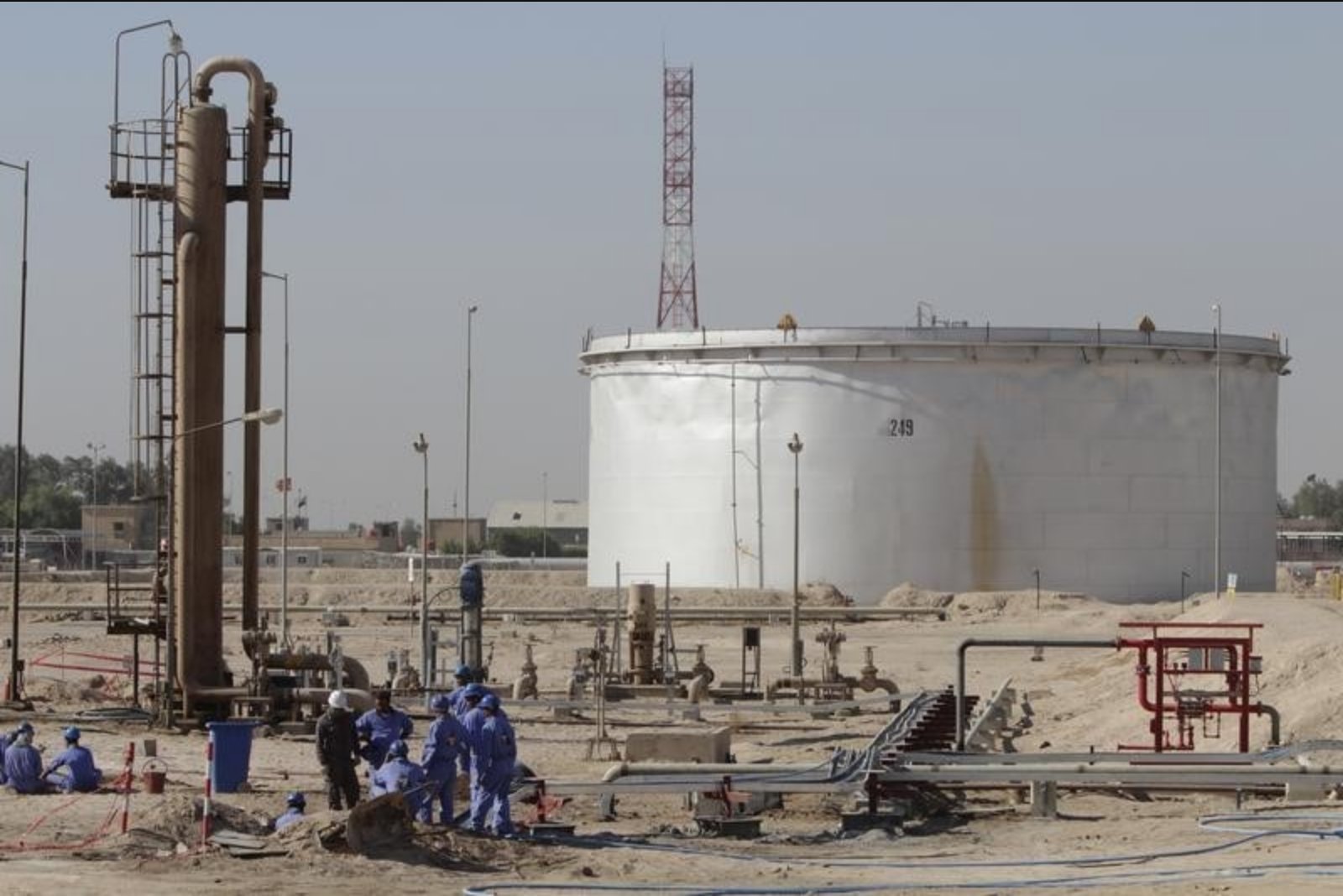
The most acute disruptions are centered in Iraq, Qatar and Kuwait, where energy infrastructure has been significantly affected, the analysts said. By contrast, markets such as Saudi Arabia and the United Arab Emirates are experiencing only marginal effects at present, though the brokerage cautions that storage sites across the region are filling quickly as producers are forced to ratchet down output while exports via Hormuz are restricted.
Morgan Stanley noted that the halt to Hormuz flows is a core factor in the current operating environment and that the Middle East represents roughly 15% of total revenue for the oilfield services firms covered in its analysis. That concentration, combined with elevated logistics costs, is driving the near-term earnings pressure captured in the $0.06 to $0.09 EPS estimate for SLB.
Despite the immediate financial impact and a roughly 6% decline in SLB shares since late February, Morgan Stanley retains an Overweight recommendation on the company. The firm suggested the recent pullback in the stock could present an entry point for investors willing to accept short-term volatility.
Across North America, the research note describes a cautious stance among drilling and completion operators as global oil prices responded to joint U.S.-Israeli strikes and the subsequent regional escalation. Public U.S. E&Ps are maintaining capital discipline, and while some private explorers are contemplating modest increases in activity, the broader market is showing restraint.
The analysts highlighted that D&C companies are generally reluctant to underwrite material upticks in U.S. onshore activity until there is greater clarity around the trajectory of the conflict. Firms such as Patterson-UTI Energy Inc and Helmerich and Payne Inc are cited as examples of companies waiting for more sustained signals before committing additional rigs.
Morgan Stanley added that if disruptions persist, SLB would likely take a more proactive approach to cost management. A prolonged period of regional instability, the analysts said, would necessitate a sharper recalibration of the global energy services supply chain and could push SLB to implement further cost actions to protect margins.
Contextual notes
- SLB reports a projected EPS impact of $0.06 to $0.09 for the first quarter.
- The most affected Middle Eastern markets are Iraq, Qatar and Kuwait; Saudi Arabia and the UAE are currently only marginally impacted.
- Morgan Stanley estimates the Middle East contributes about 15% of revenue for the oilfield services firms it covers.