
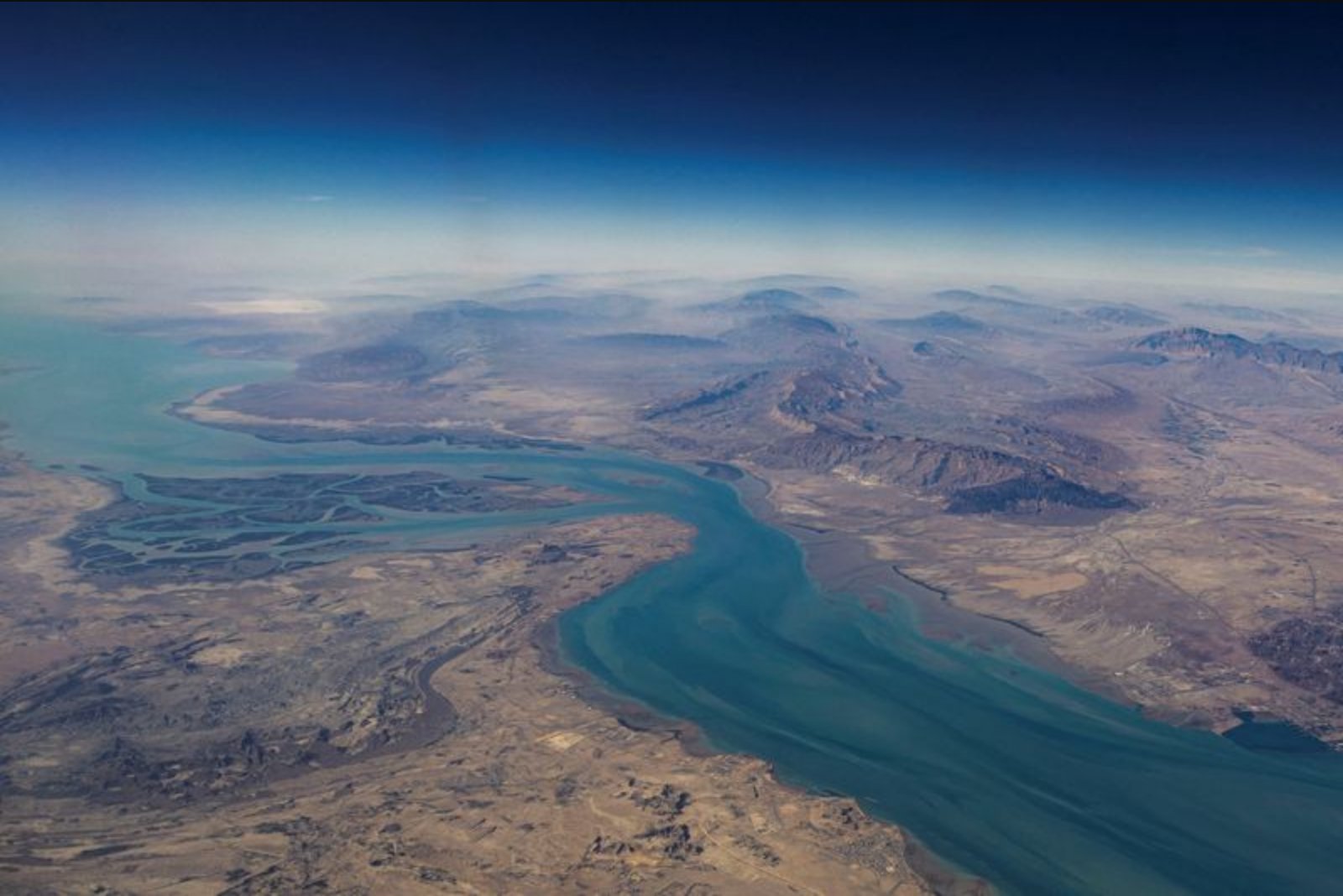
Supertanker charter costs in the Middle East climbed to record levels as maritime traffic through the Strait of Hormuz stalled following attacks on vessels and declarations from Tehran that it would fire on ships attempting passage.
The Strait of Hormuz - the narrow corridor between Iran and Oman that moves about one-fifth of the world’s oil consumption and significant volumes of liquefied natural gas - has seen near-total disruption after vessels in the area were struck as Iran retaliated for U.S. and Israeli strikes. The resulting stoppage and concerns about a sustained closure have coincided with a sharp rise in crude and European natural gas prices.
Market indicators reflected acute stress in tanker markets. The benchmark Worldscale freight rate for very large crude carriers (VLCCs) on the Middle East-to-China route, known as TD3, jumped to a record W419 on Monday, equivalent to $423,736 per day, according to LSEG data. That level was double the rate recorded on Friday and extended gains from a six-year high reached the prior week following attacks by the U.S. and Israel on Iran and the reported killing of Supreme Leader Ayatollah Khamenei on Saturday.
Impact on oil and gas flows
Disruption to shipping and operational interruptions at energy facilities across the Middle East have been associated with price moves in energy markets. Brent crude futures rose by nearly 10% over the week as the conflict prompted multiple oil and gas shutdowns in the region.
An official of the Iranian Revolutionary Guards was reported to have said that the Strait of Hormuz was closed and that Iran would fire on any ship trying to transit the waterway.
LNG shipping market under strain
LNG tanker charter rates surged after a halt to production in Qatar. Daily spot freight rates in the Atlantic climbed to $61,500 per day on Monday, up 43% or $18,750 from Friday, while Pacific rates increased to $41,000 per day, a 45% rise or $12,750 from Friday, according to Spark Commodities, a pricing assessment agency for LNG shipping.
Fraser Carson, principal analyst for global LNG at Wood Mackenzie, said spot daily LNG shipping rates could exceed $100,000 this week amid tight vessel availability. He noted that availability for the remainder of March was seen as weak as cargo operators worked through a backlog caused by weather disruptions in February, intensifying competition for any ships that were free.
Carson added that shipping would remain idle until safe passage through the Strait of Hormuz could be assured.
Operational responses and supply-chain effects
Industry participants reported practical constraints on operations. A shipbroker who declined to be named said it was very difficult to assess shipping rates in the Gulf because several shipowners had suspended operations indefinitely.
Fujairah, a key bunkering port in the United Arab Emirates, experienced slower bunker sales as the conflict interrupted fuel supply chains. That slowdown pushed fuel prices higher in the port and could shift bunkering demand to alternative hubs, such as Singapore.
South Korean shipping firm Hyundai Glovis said it was preparing contingency plans that included securing alternative routes and ports. South Korea’s maritime ministry issued a notice asking South Korean shippers with vessels operating in the Middle East to refrain from business activities in the region, an official said.
Market implications
The combined effect of physical attacks, an announced closure of a major chokepoint, and precautionary suspensions by shipowners has tightened both crude and LNG freight markets. That tightening has translated into elevated charter costs and contributed to upward pressure on energy prices.
Given the current state of operations, brokers, charterers, and energy companies face heightened logistical challenges and elevated costs until vessel movements through the Strait of Hormuz can resume safely.
What remains unclear
While rates and immediate operational impacts are visible in market data and industry reports, the duration of the disruption and any long-term changes to trading patterns remain uncertain based on the information available.