
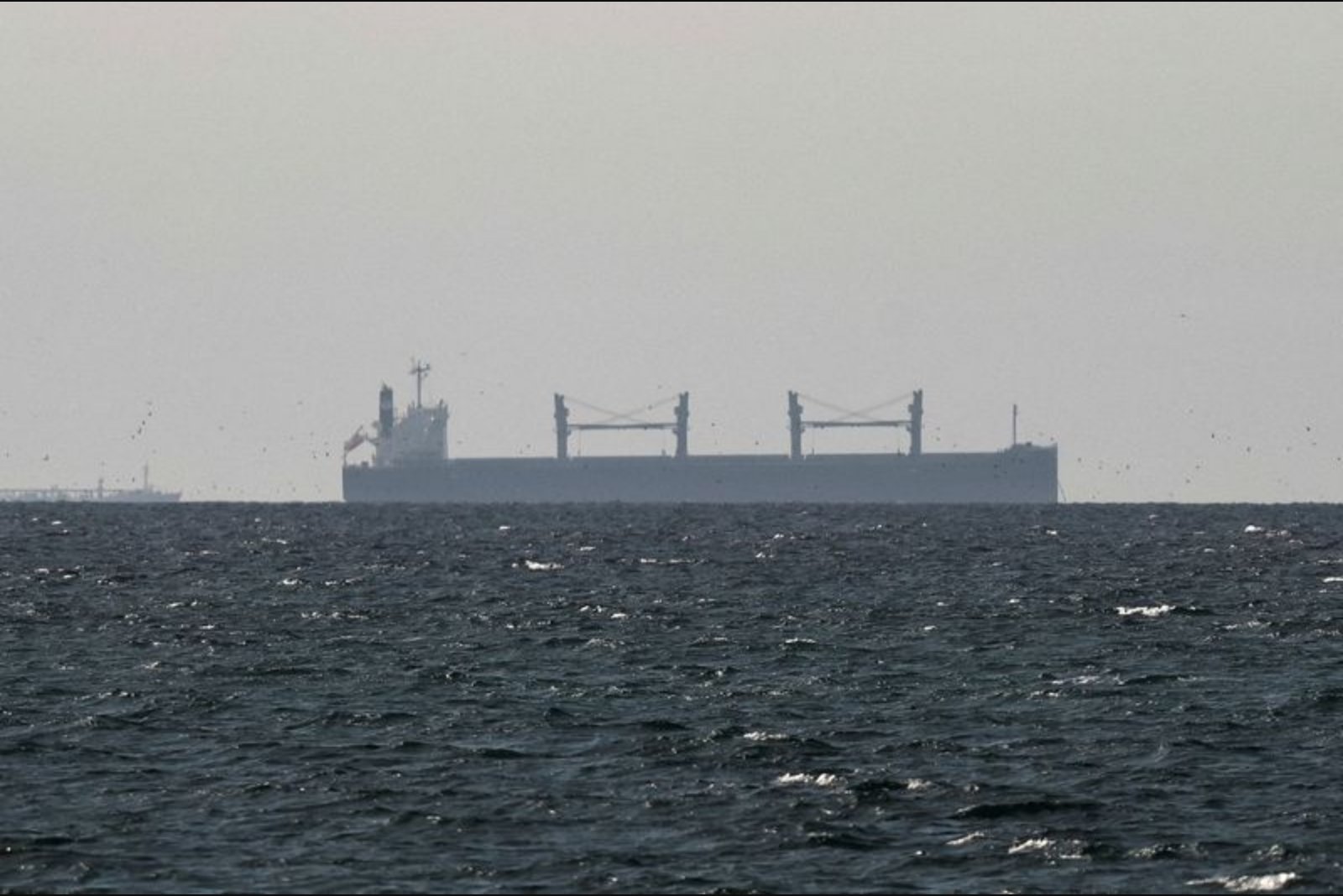
ATHENS, March 13 - In the weeks following the start of U.S. and Israeli strikes on Iran on February 28, a small contingent of Greek shipowners has continued to dispatch crude oil and dry bulk tankers through the Strait of Hormuz, a narrow maritime chokepoint between Iran and Oman. These sailings have taken place despite repeated warnings about mines, missiles and drone strikes in the area and amid vocal disagreement between political exhortations to keep the waterway open and naval assessments about the risks involved.
Data tracked by maritime specialists Lloyd’s List Intelligence and MarineTraffic show at least 10 vessels operated by Greek companies and at least two vessels under Chinese operation have made the transit since the strikes began. Industry sources who are familiar with the movements identified two Greek shipping interests involved in the operations as Dynacom, linked to shipping magnate George Prokopiou, and Aeolos Management, associated with the Embiricos family. The companies named did not provide comment when contacted.
Iran’s military has publicly attacked multiple ships moving through the channel and has asserted its ability to keep the strait closed, issuing warnings that oil prices could reach $200 per barrel if disruptions continue. At least 16 vessels have been struck in the course of the hostilities, including Greek-operated ships that were hit by drones, according to industry reporting and sources familiar with the incidents.
U.S. political leaders have at times urged ships to continue transits. President Donald Trump was quoted urging vessels to "show some guts" and to traverse the strait. The president has also stated the U.S. Navy would provide escorts when needed. But United States military briefings with the shipping industry have communicated that escorts are not feasible because of the high risk of attack, and the U.S. Defense Secretary, Pete Hegseth, said on Friday there was no clear evidence that Iran had placed mines in the Strait of Hormuz, after reports suggested Tehran had deployed about a dozen mines there.
On the ground - or rather at sea - shipowners and seafarers face acute danger. One Greek shipowner involved in the operations described the hazards as substantial but framed them as part of a profession that has long carried risk. That person and a second Greek industry source, both of whom asked not to be identified because of the sensitive nature of the voyages, likened navigating the narrow channel now to "entering an enemy’s bathtub," stressing the tension and fraught atmosphere of the passages.
Despite those warnings, the financial impetus for some owners is compelling. Average daily earnings for tanker charters have jumped to their highest levels in six years. Ship broking data indicate that tanker owners can command about $500,000 a day for a charter in the current market. Industry sources familiar with the economics of the voyages say that even after factoring in sharply higher war-risk insurance premiums and above-normal compensation sought by crew members for sailing in a combat-affected area, companies can still net millions of dollars on each completed voyage.
Operational tactics adopted by certain operators to reduce visibility and perceived vulnerability include switching off AIS ship-tracking transponders and scheduling passages at night. The International Transport Workers’ Federation (ITF), a leading seafarers’ union, has been blunt in its assessment of those practices. Stephen Cotton, General Secretary of the ITF, told Reuters that sending seafarers through the Strait of Hormuz at present equates to sending them into an active war zone. He said reports of operators turning off AIS to try to slip through and avoid attacks are "extraordinarily alarming - it’s gambling with seafarers’ lives." The union's comments highlight the ethical and safety considerations at play as commercial incentives push some owners toward risk-taking.
These voyages are being compared by some industry observers to risky tanker operations in past regional conflicts. The current sailings have been described as among the most daring by shipowners since the episodes in the 1980s when vessels ran the risk of missile fire to load and carry oil during the earlier Iran-Iraq hostilities. That historical comparison is invoked to situate the scale of commercial risk-taking, though it does not add new facts about the present campaign.
For now, the situation presents a stark trade-off: operators and their insurers are balancing the potential for outsized short-term profits against substantial and demonstrable security threats. Governments are offering mixed signals - political exhortations to keep shipping moving sit alongside military assessments that regard escorts as impractical given the present threat environment - while unions and industry sources caution about the human costs of risky operations.
Summary
A small number of Greek-owned and a few Chinese-operated tankers and dry bulk vessels have traversed the Strait of Hormuz since strikes began on February 28, taking on clear risks from mines, missiles and drones in pursuit of sharply higher freight rates and crude price-driven profits. While political leaders have urged transits, military briefings have warned escorts are too dangerous, and seafarers' unions label the practice a move into a live war zone.
- Key points:
- At least 10 Greece-operated ships and at least two Chinese-operated vessels have transited the Strait of Hormuz since February 28, according to maritime intelligence data.
- Tanker charter earnings have surged, with ship broking data indicating up to $500,000 a day for a charter, enabling substantial profits even after elevated insurance and crew costs.
- At least 16 ships have been attacked since the strikes began; Greek-operated vessels have been hit by drones.
- Sectors affected: Shipping and maritime insurance, crude oil markets and energy logistics, and seafaring labour markets.
- Risks and uncertainties:
- Direct threat to vessels and crew from mines, missiles and drones - this affects maritime transport and crew welfare.
- Potential for further disruption to oil and LNG flows through a key chokepoint, with implications for energy markets and freight rates.
- Operational and reputational risk for shipowners employing tactics such as switching off AIS, raising safety and regulatory concerns for insurers and charterers.