
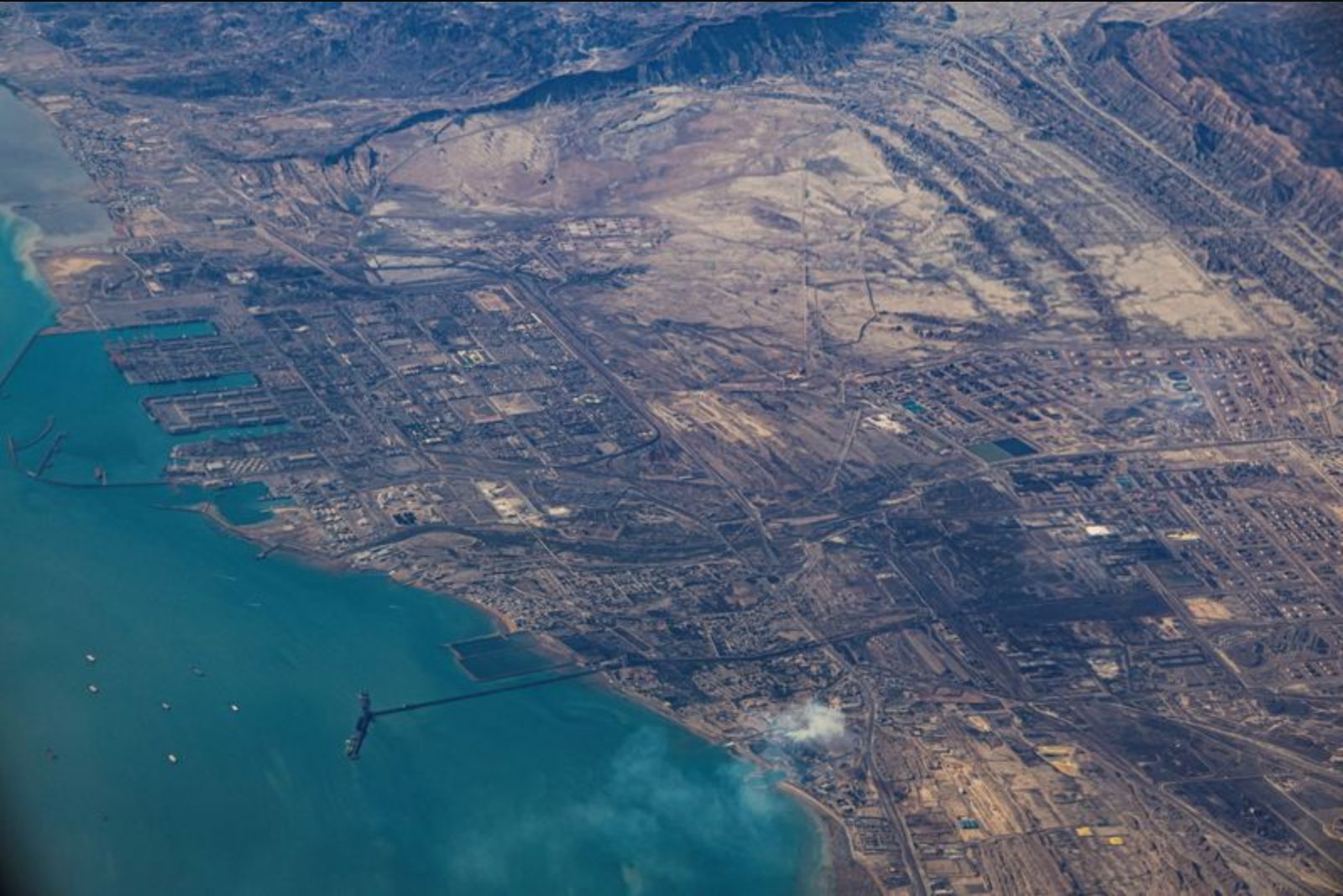
Several tanker owners, major oil companies and trading houses have put a temporary stop to shipments of crude oil, refined fuels and liquefied natural gas through the Strait of Hormuz after the U.S. and Israel attacked Iran and Tehran said it had closed navigation, trading sources said on Saturday.
"Our ships will stay put for several days," one top executive at a major trading desk said, describing the immediate response from some operators. Satellite imagery from tanker tracking services has shown vessels backing up near major ports, including Fujairah in the United Arab Emirates, rather than transiting the narrow waterway.
An official with the EU naval mission Aspides reported that multiple vessels in the area had received VHF transmissions from Iran's Revolutionary Guards stating that "no ship is allowed to pass the Strait of Hormuz." The UK Navy, while noting that Iran's orders were not legally binding, advised ships to transit the area with caution.
The tanker association INTERTANKO said the U.S. Navy had warned against navigation across a broad area - the whole of the Gulf, the Gulf of Oman, the North Arabian Sea, and the Strait of Hormuz - explaining that it could not guarantee the safety of shipping. Separately, Greece's shipping ministry issued advice on Saturday for vessels to avoid the Persian Gulf, the Gulf of Oman and the Strait of Hormuz, according to an advisory.
The strategic importance of the Strait is reflected in the volume of flows it carries. Some 20% of global oil production from exporters including Saudi Arabia, the UAE, Iraq, Kuwait and Iran moves through Hormuz, and the waterway also handles large volumes of liquefied natural gas from Qatar.
Laura Page, an analyst at consultancy Kpler, said 14 LNG tankers had shown signs of slowing, executing U-turns or stopping in and around the Strait. She added that the number of affected vessels was likely to increase, which would create risks for Qatari LNG exports.
Shipping disruptions and official navigation warnings have led market participants and vessel operators to pause planned transits while assessing safety. The clustered vessels and halted movements around key ports underscore how a closure or effective closure of the Strait affects the distribution of oil and gas cargoes that typically rely on that corridor.
Key points
- Multiple oil majors, tanker owners and trading houses have suspended crude, fuel and LNG shipments via the Strait of Hormuz following attacks on Iran and Tehran's announcement of closed navigation.
- Satellite images show vessels queuing near ports such as Fujairah, and 14 LNG tankers have been observed slowing, turning or stopping in and around the Strait, raising risks for Qatari LNG exports.
- Naval and industry warnings cover the Gulf, Gulf of Oman, North Arabian Sea and the Strait of Hormuz, affecting shipping, energy supply chains and commodity markets.
Risks and uncertainties
- Continued advisory or de facto restrictions on navigation could disrupt deliveries of crude and LNG that transit the Strait, impacting energy supply chains and related markets.
- Further increases in the number of delayed or rerouted vessels would heighten logistical pressure on ports and storage facilities in the region.
- Conflicting guidance from regional authorities and naval forces creates uncertainty for ship operators deciding whether to transit or wait, influencing shipping schedules and commercial decisions.