
Commodities February 6, 2026

Sheinbaum Says Mexico Will Send Humanitarian Aid to Cuba by Monday, Seeks Path to Resume Fuel Shipments

President confirms plan to dispatch food and basic supplies amid diplomatic friction over halted oil shipments and U.S. threats of tariffs

By Sofia Navarro
Sheinbaum Says Mexico Will Send Humanitarian Aid to Cuba by Monday, Seeks Path to Resume Fuel Shipments

Mexico's president announced plans to send humanitarian aid, including food and basic supplies, to Cuba by Monday, while her administration pursues diplomatic channels to restore oil shipments suspended in mid-January. The move comes after Washington warned of tariffs on nations supplying fuel to Cuba and described the island as an extraordinary security threat - a characterization rejected by Havana. Mexican officials are exploring options to supply fuel without triggering U.S. retaliation, though a resolution remains uncertain.

Key Points

  • Mexico plans to send humanitarian aid, including food and basic supplies, to Cuba by Monday - impacts logistics and humanitarian sectors.
  • The Mexican government is pursuing diplomatic measures to resume oil shipments that were halted in mid-January - relevant to energy and trade sectors.
  • U.S. threats of tariffs on countries supplying fuel to Cuba and the U.S. characterization of Cuba as an extraordinary security threat have constrained Mexico's options - affects international trade and diplomatic relations.

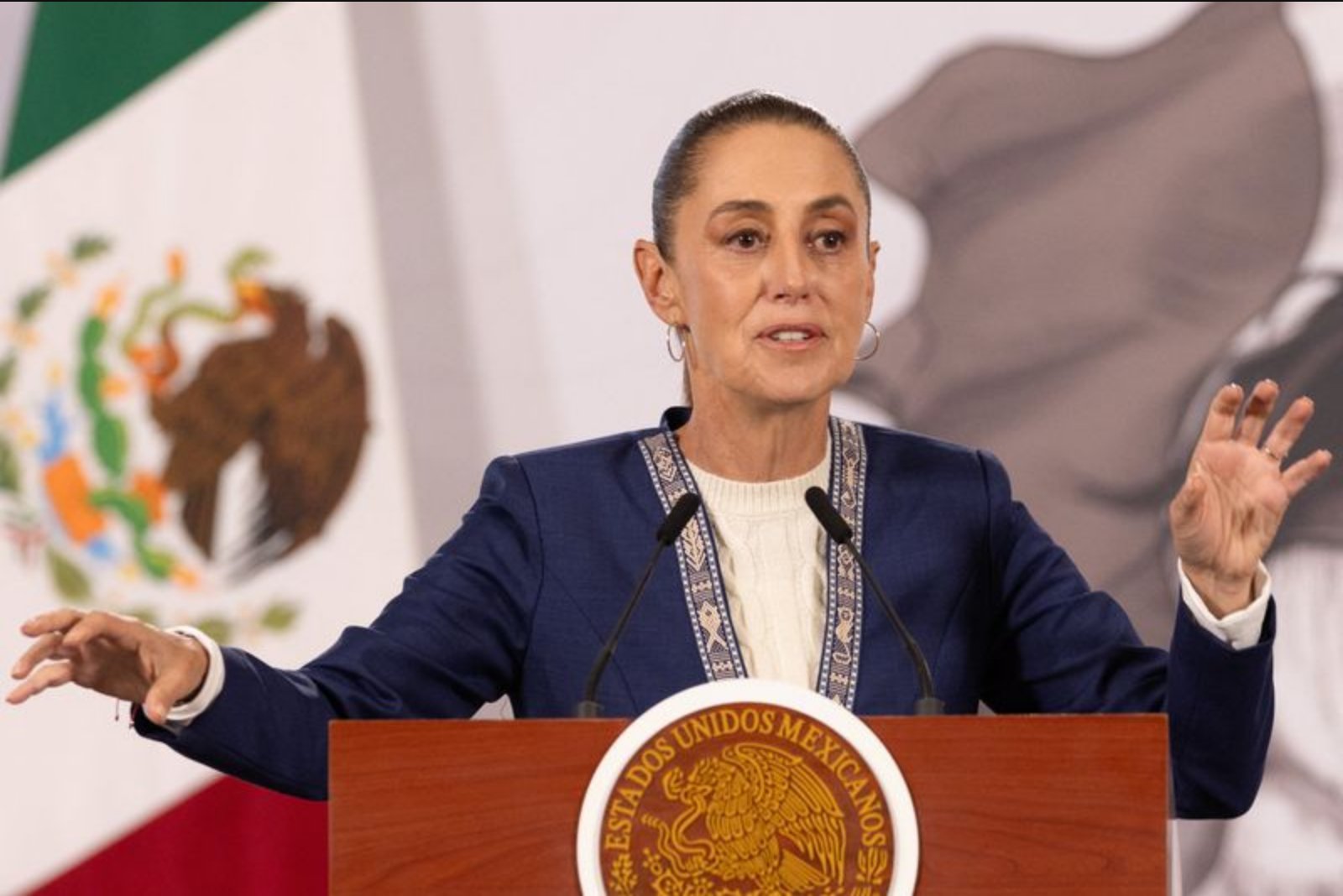
Mexico's president said Friday that her government intends to deliver humanitarian assistance to Cuba by Monday, emphasizing the priority of providing food and other basic items to the island.

At her routine morning press briefing she stated, "We are planning to send this aid either this weekend or on Monday at the latest." The announcement framed the shipment as an immediate, concrete response to humanitarian needs.

Separately, the president said the government is engaged in diplomatic efforts to restore oil flows to Cuba. Mexico halted deliveries of crude and refined products to the island in mid-January amid pressure from the United States.

Washington later threatened to impose tariffs on countries that continue to supply oil to Cuba, asserting that the Cuban government represents an "extraordinary threat" to U.S. national security - a characterization that Cuba has rejected. The president acknowledged the sensitivity of the situation, saying Mexico does not want to face sanctions and that dialogue is ongoing.

She added that for the moment the administration will proceed with sending humanitarian aid while talks continue. Sources told the news agency this week that Mexican officials are seeking mechanisms to deliver fuel to Cuba to address immediate needs without provoking the threatened U.S. tariffs.

At this stage it is unclear whether those efforts will produce a viable workaround. Officials are reported to be exploring options, but the article's sourcing made clear the outcome remains uncertain.


Context and immediate measures

The government's stated immediate measure is the dispatch of food and basic supplies within the coming days. The president described the delivery timeframe as either this weekend or by Monday at the latest and framed it as the administration's current practical response while diplomatic work continues.

Diplomatic and commercial tensions

Mexico's suspension of oil shipments occurred in mid-January under U.S. pressure. Subsequent U.S. warnings about tariffs on third-party suppliers of Cuban fuel have shaped Mexico's options and prompted the government to pursue dialogue to avoid sanctions.

Unresolved outcome

Sources indicate efforts are underway to find ways to send fuel without triggering U.S. retaliation, but the article notes that whether Mexico will succeed remains uncertain.

Risks

  • Potential for U.S. tariffs on countries supplying oil to Cuba creates uncertainty for Mexico's ability to resume fuel shipments - risk for energy trade and maritime logistics.
  • Diplomatic negotiations may not yield a solution, leaving Cuba reliant on humanitarian aid rather than stable energy supplies - risk for humanitarian and political outcomes.
  • The Mexican government may face pressure from both international and domestic actors as it balances humanitarian needs with the risk of economic retaliation - risk for diplomatic and trade relations.

More from Commodities

Cuba Turns to Solar as Fuel Supplies and Power Grid Strain Under U.S. Measures Feb 20, 2026 Citigroup Maps Out Oil Price Paths as U.S.-Iran Tensions Mount Feb 20, 2026 Oil Rises, Tech and Credit Nervous as Geopolitics and AI Spending Reshape Markets Feb 20, 2026 EPA to Roll Back Mercury and Air Toxics Limits on Coal Plants, Citing Grid Reliability Feb 20, 2026 Raymond James: U.S. Military Action in Iran 'Likely at This Stage' as Tensions Rise Feb 20, 2026