
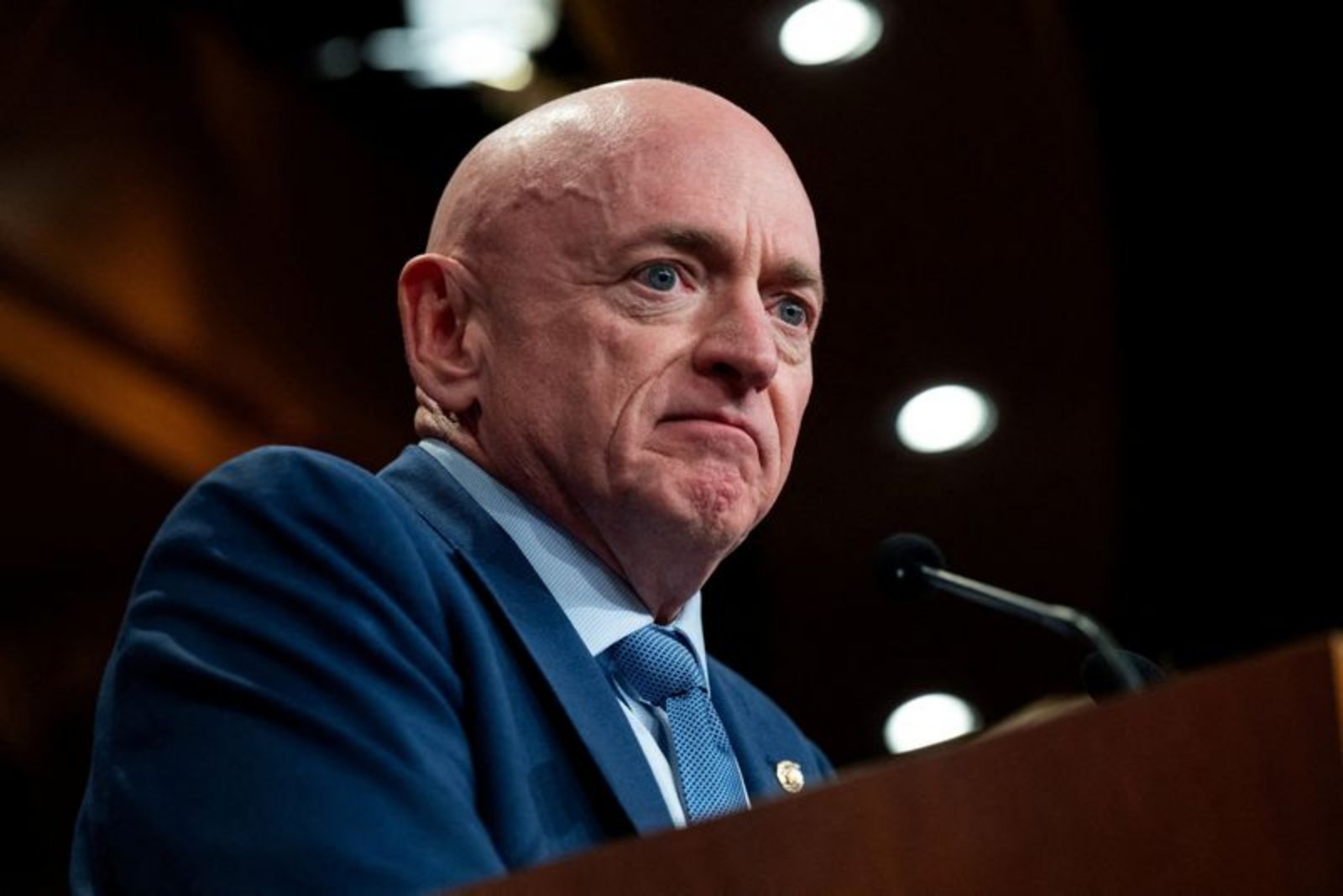
Democratic Senator Mark Kelly on Friday unveiled a legislative proposal to suspend the federal gasoline tax of 18.4 cents per gallon through October 1. The measure is presented as a response to recent increases in pump prices linked to the U.S.-Israeli war with Iran and aims to provide short-term relief to households facing higher fuel costs.
According to nationwide fuel monitoring by AAA, average U.S. gasoline prices climbed by 35 cents per gallon over the past week, bringing the national average to $3.32 per gallon. The proposed suspension would be implemented by statute and would direct the U.S. Treasury Department to monitor the measure's implementation, with the specific objective of ensuring that the tax pause translates into lower retail gasoline prices for consumers.
Kelly said the suspension would "help bring prices down and give families some much needed relief." The proposal is slated to be introduced in the Senate next week as formal legislation.
The move comes as political observers warn that sustained increases in gasoline prices could carry electoral consequences. A persistent rise in fuel costs has been identified by analysts as a potential political risk for President Donald Trump and other Republicans as they campaign to retain control of Congress in the November midterm elections.
The White House did not immediately offer a comment on the senator's proposal. In a separate interview on Thursday, President Trump expressed limited concern about rising U.S. gasoline prices associated with the conflict, stating, "if they rise, they rise." The administration is also considering a range of actions aimed at addressing rising energy prices as officials seek to manage the political and economic effects of increased fuel costs.
Market indicators have reflected the heightened geopolitical risk. U.S. crude futures have increased by 35% since the conflict with Iran began on February 28, a jump market participants attribute to disruptions to Middle East supplies.
The concept of temporarily suspending gasoline taxes has precedent. In 2022, then-President Joe Biden proposed a three-month suspension of the federal gasoline tax as a response to record prices during the COVID-19 period; however, Congress did not enact that proposal. At the state level in 2022, five states - including Georgia, New York and Florida - implemented temporary suspensions of their own state gasoline taxes.
Context and mechanics
The legislation under consideration would not automatically reduce pump prices by the full tax amount unless retailers and distribution participants pass the savings through. To address that, the bill would assign the Treasury Department a monitoring role to track whether wholesale and retail prices adjust downwards in line with the suspended federal tax.
The proposal is positioned as a short-term, targeted fiscal intervention focused on fuel prices during an episodic supply shock. It intersects with political timing ahead of the midterm elections and comes amid marked volatility in crude oil markets.