
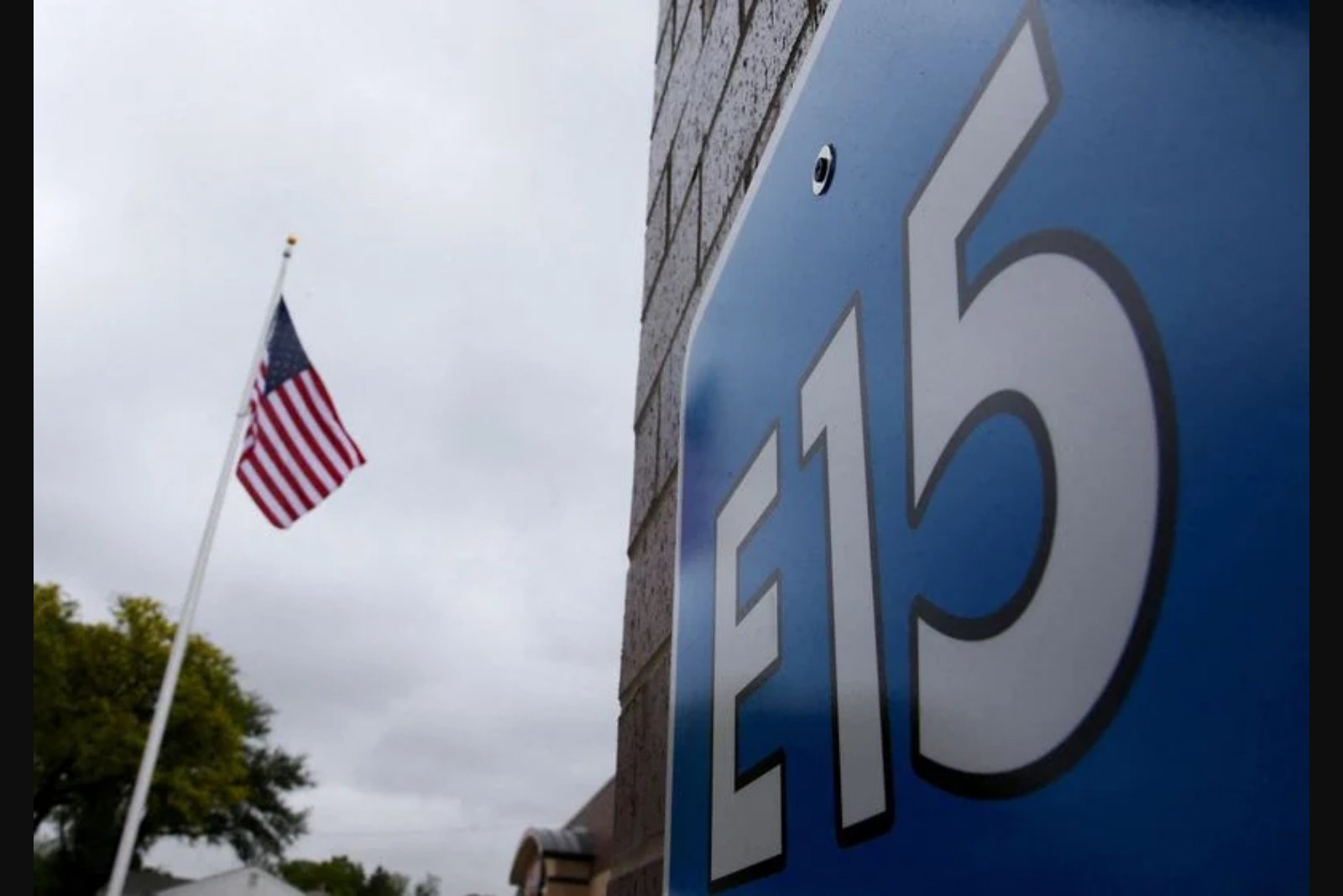
Supporters of a long-stalled plan to expand nationwide sales of higher-ethanol E15 gasoline are pushing a complex strategy to get the policy through the deeply divided U.S. Senate and onto President Donald Trump’s desk for signature. Their approach, according to industry participants involved in private talks, is to attach the E15 provision to a larger, must-pass legislative vehicle while securing concessions to keep refiners from blocking the measure.
"This is a complicated, unwieldy process that is very unpredictable. Any change needed to gain support from one group risks losing support from another," an industry executive said, requesting anonymity to discuss sensitive negotiations. That reality captures why the path forward is likely to be negotiated in layers rather than decided by a straightforward up-or-down vote.
Political and regional fault lines
The House of Representatives narrowly approved the E15 language in May, a vote that exposed stark regional and ideological divisions likely to shape the Senate debate. Support in the House came from Midwestern Republicans and Democrats representing farm states, who view expanded E15 sales as a way to lift demand for corn-based ethanol. Opponents in the House included fiscal conservatives, members from refinery states and some environmental groups, who raised concerns about costs, fuel standards and emissions.
Those same divisions are amplified in the Senate, where backers face an additional procedural barrier: the filibuster. To clear that hurdle, proponents must assemble 60 votes, a requirement that forces a broader and more delicate bipartisan coalition and intensifies the scope of behind-the-scenes bargaining.
"Getting that 60% vote is a tall ask. There are a lot of Senate holdouts at the moment," said Drew Monroe, vice president at Capstone LLC, a firm that advises refineries, fuel marketers and hedge funds.
If supporters cannot secure the necessary votes, or if the Senate changes language from what the House passed, the bill would have to return to the House for another vote. That prospect threatens the fragile alliance that produced the initial House approval.
Strategy: grafting E15 onto must-pass measures
With no clear path for standalone approval in the Senate, biofuel advocates are focusing on attaching the E15 provision to larger legislative packages that lawmakers cannot easily reject. The Farm Bill is widely viewed among industry participants as the most promising vehicle, even though that bill already contains major partisan disagreements over topics such as nutrition assistance and farm subsidies. Another option under consideration is an appropriations bill, according to industry representatives involved in the talks.
Behind the scenes, supporters are pressing to bring on influential Republican senators whose backing is seen as pivotal. Negotiators identified Senator John Barrasso and Senator John Boozman as key figures whose votes could tip the balance, but both have signaled they would need protections for refining interests in their states that are wary of increased biofuel blending obligations.
Small refinery exemptions and negotiating levers
A central point of contention centers on small refinery exemptions, or SREs, which allow certain refineries to be exempted from federal biofuel blending obligations if compliance would cause them financial hardship. The current E15 proposal would grant exemptions to refining companies whose plants average 75,000 barrels per day of throughput or less, a threshold some senators say would exclude most of the refining industry because many large integrated companies operate multiple refineries.
Senators representing refining states have expressed concern that the 75,000 bpd threshold would not shield enough facilities, and they have pushed for adjustments. Supporters and opponents are negotiating potential changes to the eligibility threshold and examining whether larger refiners should be required to blend more fuel to offset volumes that are exempted.
Geoff Cooper, chief executive of the Renewable Fuels Association, said discussions are under way to seek middle ground on SRE language that could win broader support. He also identified the appropriations process as an alternative route for passage if leaders cannot include E15 in near-term legislation.
Cooper said if efforts to get E15 passed through the Senate fail this session, supporters will try to squeeze it into future legislation like the 2027 appropriations bill. "That would be the fallback if we’re not able to get this included in something sooner," he said. "But we certainly want to have this done before the end of September."
Broader bargaining and timing
Supporters expect Democratic senators to press for concessions on other policy items as part of the bargaining process, turning E15 into a bargaining chip within wider legislative negotiations. Some Democrats have privately assembled lists of potential demands, aware that a core bloc of Republicans strongly favors the ethanol change and that getting to 60 votes will require cross-aisle compromises.
Senators from both farm and refinery states are actively discussing tweaks to the SRE language as they look for a compromise that can preserve refinery protections while still expanding the market for higher-ethanol gasoline. Options under consideration include raising or lowering the 75,000 bpd threshold and modifying the mechanisms by which larger refiners would shoulder additional blending obligations to account for exempted volumes.
The interplay of agricultural interests seeking greater ethanol demand, refining concerns about compliance costs and regional political dynamics makes the Senate fight especially fraught. Success will depend on painstaking negotiation, carefully calibrated concessions and timing aligned with the legislative calendar.
Outlook
Supporters’ multi-pronged approach - attaching E15 to unavoidable bills, tweaking SRE provisions and courting pivotal senators - reflects a recognition that straightforward majority votes are unlikely to be decisive in the Senate. If that strategy falters, advocates have signaled they will pivot to future appropriations legislation as a fallback. Until then, the proposal faces high uncertainty as stakeholders weigh trade-offs among ethanol demand, refinery protections and broader policy priorities.