
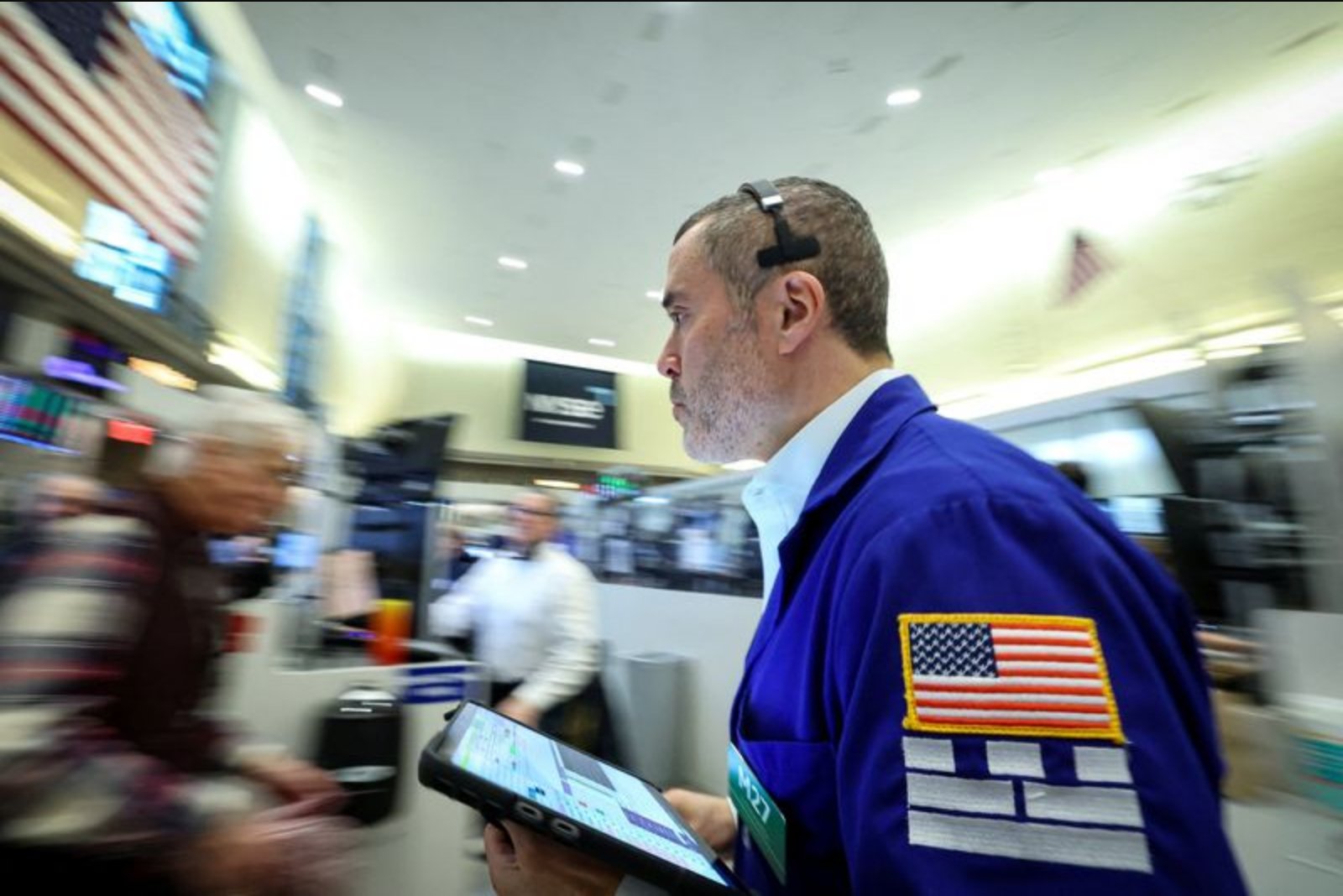
Equity markets were hit by renewed anxiety in technology stocks after a wave of heavy selling swept beyond software into chipmakers and mega-cap names, dragging global markets into a volatile patch.
Advanced Micro Devices plunged 17% in one session, becoming the focal point of the rout, while Palantir shares fell about 12%. Alphabet disclosed plans to potentially double its capital expenditure this year - a figure the company said would exceed analyst expectations by more than 50% - a disclosure that triggered steep early losses for the Google parent. Those losses were pared later in the session, but Alphabet still remained in negative territory before Thursday’s opening bell.
Before getting into additional market developments, readers are directed to a recent column that examines why the Federal Reserve may soon face difficulty in justifying additional rate cuts. There is also a daily Morning Bid podcast for listeners who want a concise rundown of the biggest stories in markets and finance.
Selling begets selling
The broader pattern this week suggests investors are increasingly wary of interpreting AI development as an unequivocal boon for broad index investors. In a concentrated span of a single week, the software sector lost nearly $1 trillion in market value as the industry’s competitive disruption and associated risks triggered rapid re-pricing.
That fear spilled over into other corners of the market. Significant losses for AMD and declines across chipmaker gauges reverberated through Asian trading overnight, contributing to a near 4% fall in South Korea’s Kospi index. The volatility was not limited to equities.
Bitcoin surged close to $70,000 - a level last seen around the 2024 U.S. election - but remained more than 40% below its October highs. Precious metals also reflected the turbulence, with silver plunging as much as 17% at one point during overnight trading and ending the day about 10% lower.
As U.S. markets approached Thursday’s open, the immediate panic had eased somewhat: Nasdaq and S&P 500 futures were largely flat. Investors were awaiting Amazon’s earnings report due after the market close.
More broadly, the price action in technology this week is consistent with a sectoral rotation under way in 2025. The S&P 500 value index recorded a fifth consecutive session of gains on Wednesday, while the S&P 500 growth index declined. The equal-weighted S&P 500 rose 0.8% on the day, indicating breadth improvements even as growth-oriented tech names came under pressure.
Part of the rotation reflects renewed interest in cyclical stocks, underpinned by upbeat signals from January readings of the ISM services and manufacturing surveys. Yet labour-market indicators remain mixed: ADP’s private sector payrolls for last month increased by less than forecast, suggesting subdued hiring remains a feature of the current economic backdrop.
Currency and sovereign bond markets were comparatively calmer. The Japanese yen slipped modestly ahead of this weekend’s election in Japan. In Europe, market participants focused on the first policy decisions of the year from the European Central Bank and the Bank of England. Neither central bank is expected to change policy rates this week, but recent euro strength combined with eurozone inflation running below target leaves investors sensitive to any dovish signals from the ECB. In the United Kingdom, market nerves were heightened by domestic political developments and renewed pressure on Prime Minister Keir Starmer.
Chart of the day
Alphabet’s announcement that capital spending could possibly double this year - an aggressive allocation aimed at alleviating constraints on compute capacity and advancing its position in the artificial intelligence race - appeared to unsettle investors rather than reassure them. Alphabet’s shares slipped about 2% in after-hours trading following the disclosure. For some investors, the scale of AI spending plans among so-called hyperscalers remains a source of concern, with questions persisting about whether such heavy investment will produce commensurate returns.
Today - events to watch
- U.S. December JOLTS job openings (10:00 AM EST) and weekly initial jobless claims (8:30 AM EST)
- Policy decisions from the European Central Bank and the Bank of England
- Speeches by Atlanta Fed President Raphael Bostic and Bank of Canada Governor Tiff Macklem
- U.S. corporate earnings due: Amazon, ConocoPhillips, Hershey, KKR, Reddit, Thomson Reuters
Investors will continue to monitor earnings, central bank commentary, and U.S. labour-market data for fresh clues about the trajectory of growth and interest rates. Market participants are watching closely to see whether risk-off flows subside or intensify, and whether the recent re-pricing in technology and related sectors stabilises as additional quarterly reports and macro releases arrive.
Opinions expressed in this dispatch are those of the author and reflect the market observations outlined above.