
Commodities March 5, 2026

Seafarers Granted Right to Refuse Passage Through High-Risk Gulf Waters

Labour and shipping bodies agree protections, repatriation and enhanced pay after threat level raised to maximum

By Ajmal Hussain
Seafarers Granted Right to Refuse Passage Through High-Risk Gulf Waters

Major maritime labour and industry groups have secured protections allowing seafarers to refuse to operate in the Middle East Gulf, including the Strait of Hormuz, after the threat level for the region was elevated to its highest setting. The negotiated terms include company-funded repatriation, minimum compensation of two months' basic wage, higher pay while in the area, and doubled compensation for death or disability.

Key Points

  • Seafarers can refuse to sail into the Middle East Gulf and the Strait of Hormuz after the threat level rose to its highest setting - impacts maritime shipping operations and crew welfare.
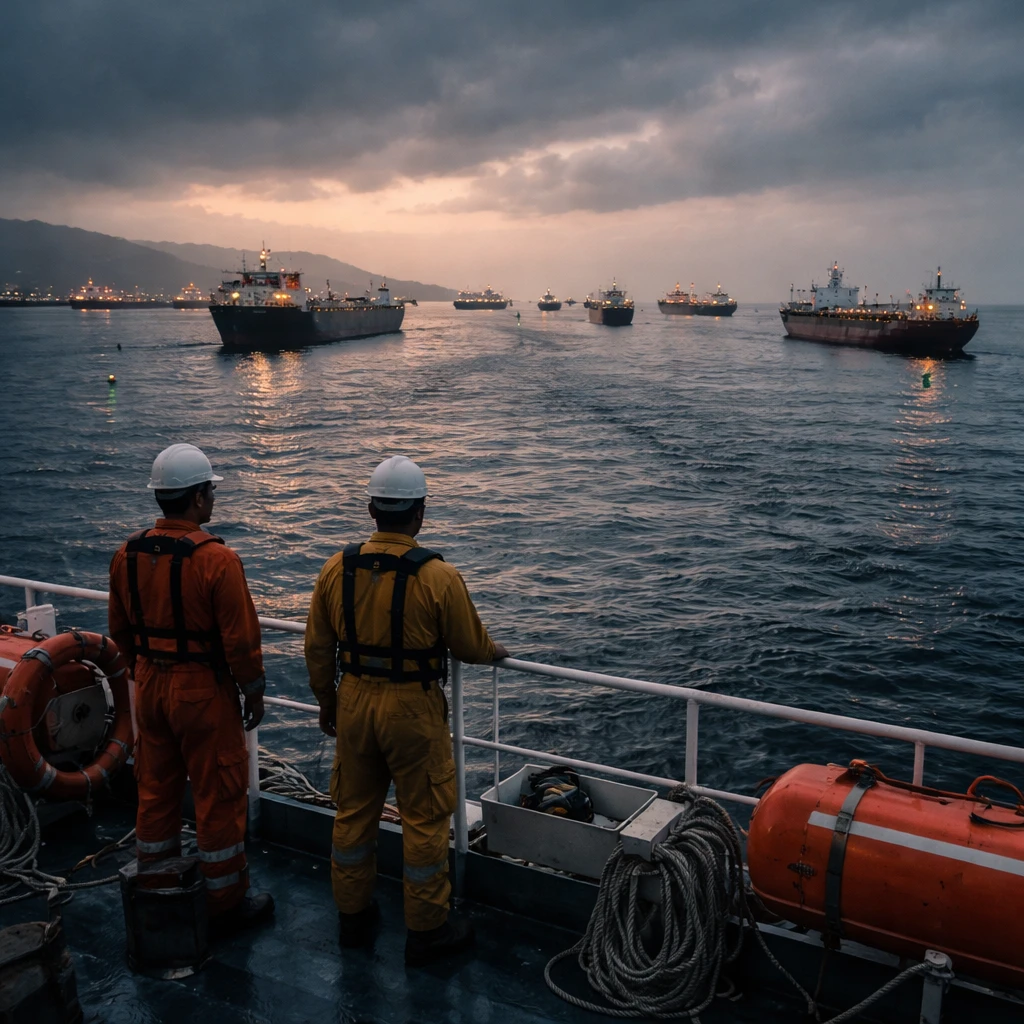
  • About 300 ships are anchored on both sides of the Strait amid an escalating U.S.-led conflict involving Iran; since February 28, nine vessels have been damaged and at least one seafarer killed - affects global shipping traffic and energy transport.
  • Under IBF agreements, refusal to sail triggers company-funded repatriation and compensation equal to two months' basic wage; seafarers operating in the area receive higher pay and double compensation in case of death or disability - relevant to labour costs and shipping company liabilities.

Seafarers now have a formal right to decline voyages that pass through the Middle East Gulf area, including transit via the Strait of Hormuz, after the threat level for that region was raised to its highest point, leading maritime labour and industry organisations said on Thursday.

Industry observers reported that roughly 300 vessels are currently at anchor on both sides of the Strait as tensions rise amid a U.S.-led military campaign involving Iran. Since February 28, nine ships have suffered damage and at least one seafarer has been killed.

The protections were set out in arrangements finalised on Thursday between mariners and commercial ship operators under the framework known as the International Bargaining Forum, or IBF. Under those terms, seafarers may refuse to sail into the designated area. If they exercise that right, their employer must pay for their repatriation and provide compensation equivalent to two months of basic wages.

Additional measures agreed by the parties were announced by the International Transport Workers' Federation in a statement. The organisation said seafarers assigned to operate in the high-risk zone will receive higher pay, and in the event of death or disability compensation will be doubled.

"Today’s designation ensures that seafarers on vessels covered by IBF agreements have critical protections if they operate in this dangerous region," ITF General Secretary Stephen Cotton said. "The fact we have to take these measures at all is a damning indictment of the situation facing seafarers today. No worker should have to risk being killed or maimed simply for doing their job – particularly when that job is transporting the oil and goods that keep the world’s economies running."

The negotiated protections apply to vessels covered by IBF agreements, offering defined financial and logistical support for crew members who choose not to transit the high-risk waters, and enhanced compensation for those who continue to operate there.


The measures come as shipping traffic and crew safety concerns intensify in the region. The agreements aim to balance the operational needs of commercial shipping with the safety and welfare of seafarers facing elevated threats in the Gulf and Strait of Hormuz.

Risks

  • Elevated threat level and active hostilities in the region present direct safety risks to seafarers and could disrupt maritime traffic - affects shipping, energy and global trade sectors.
  • A large number of anchored vessels around the Strait suggests potential delays and supply chain disruptions for transported oil and goods - impacts energy markets and international trade flows.
  • Increased labour protections and compensation obligations for companies may raise operating costs for carriers handling routes that transit the area - influences shipping sector profitability.

More from Commodities

Starmer Asserts UK-US 'Special Relationship' Endures Amid Criticism Over Iran Response Mar 5, 2026 UK to Augment Qatar Squadron with Four Additional Typhoon Jets, Prime Minister Says Mar 5, 2026 Israel Begins Gradual Reopening of Airspace as Repatriation Effort Continues Mar 5, 2026 Administration Weighs Maritime Insurance and Limited Tools to Counter Rising Energy Costs Mar 5, 2026 Israel Moves to Target Iran’s Buried Ballistic Missile Sites as Campaign Shifts Phase Mar 5, 2026