
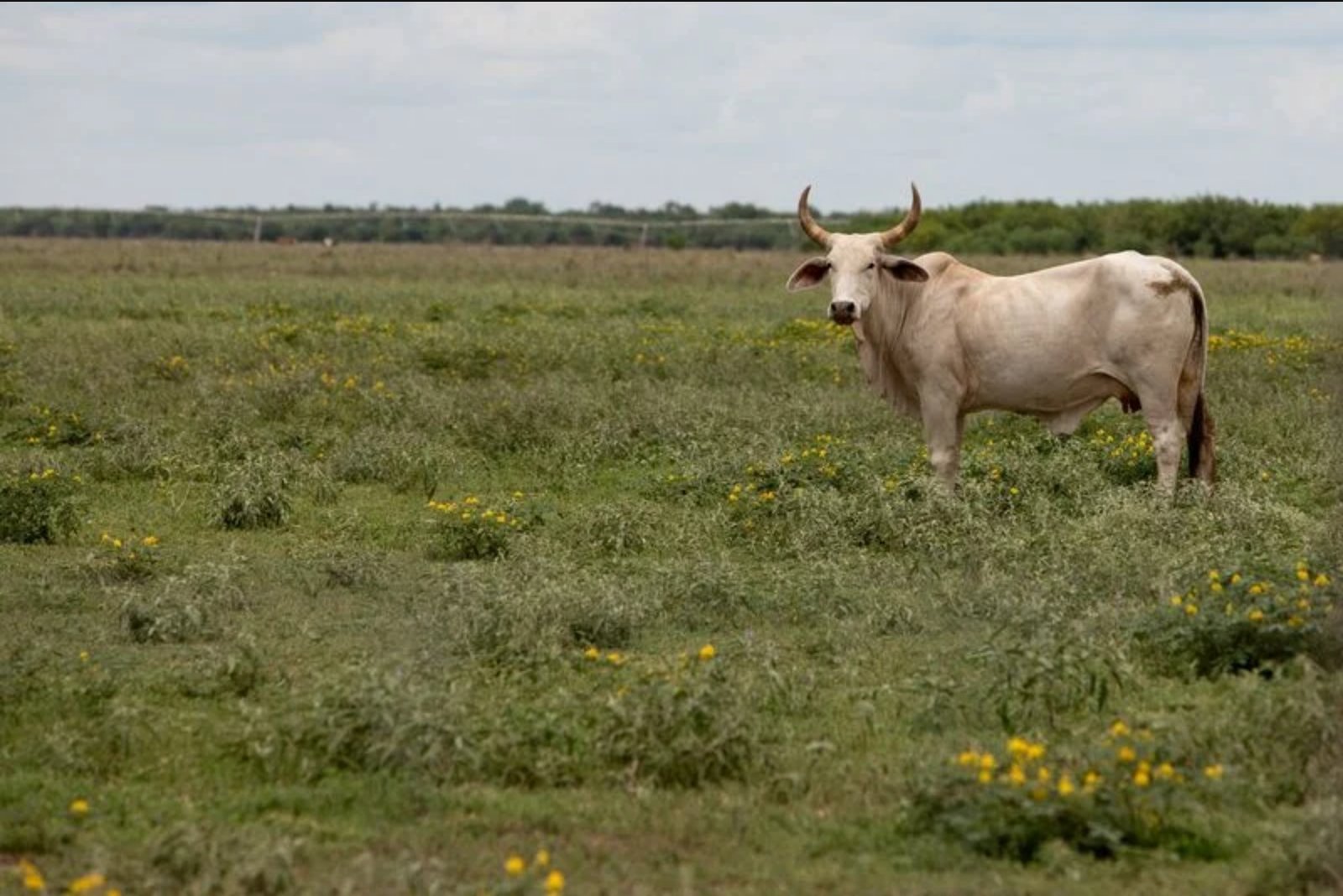
The detection of screwworm in a calf near La Pryor, Texas has turned the small ranching community into the focal point of an urgent containment effort after health authorities confirmed the first U.S. case in decades.
The calf, which tested positive on Wednesday, bore a large open wound around its umbilical cord where the flesh-eating larvae had been feeding. Federal and state officials moved quickly to quarantine livestock and establish inspections aimed at preventing further spread.
Federal response and local containment
Workers from the U.S. Department of Agriculture expanded operations across Zavala County, which borders Mexico’s Coahuila state. Teams set fly traps, released sterile flies intended to interrupt screwworm reproduction, and engaged directly with ranchers to explain detection and prevention measures.
Major roads leading out of La Pryor were fitted with blinking orange signs directing vehicles carrying livestock to pull into a checkpoint. The checkpoints are staffed by sheriffs and state personnel who inspect animals for visible signs of screwworm infestation.
USDA Secretary Brooke Rollins stated that only a single case has been confirmed and said the agency was doing everything possible to halt a spread that she described as a threat to Texas’ multi-billion-dollar cattle industry.
Community reaction and historical memory
Local ranchers and residents expressed alarm and frustration. Marcel Valdez, a retired teacher and Texas A&M University extension agent, recalled the last time screwworm surfaced in South Texas when he was a child in the 1960s. He described the visible suffering of animals he treated then: calves kicking and licking at open wounds, the odor of decomposing tissue as larvae fed, and the distinctive smell of the black, tar-like medicine he applied to try to save them.
Valdez said his greatest worry is for younger ranchers who lack direct experience treating screwworm, for the many wild animals that could serve as carriers, and for the limited supply of sterile flies available for release. "The screwworm multiplies so fast, it can get out of hand very, very quickly," he said.
Political and local-government response
Some ranchers criticized the USDA’s preparedness and urged Texas Governor Greg Abbott to declare a state of disaster to unlock federal relief funding. At the same time, counties moved independently: Kinney County, which borders Zavala County, declared a disaster on Thursday.
Brent Smith, Kinney County attorney, posted on X that "The USDA has had plenty of time to prepare for this and they are failing."
Secretary Rollins said on Thursday that officials had projected screwworm could cross into the United States as early as last year, and that efforts during the prior administration had delayed its arrival, giving the USDA an opportunity to mount a rapid response.
Economic and market effects
Concerns about further infestations reverberated through commodity markets, extending a rally in U.S. cattle futures on Friday as traders weighed the potential impact on supplies.
Outlook and limitations
Authorities are relying on a combination of surveillance, sterile-fly releases and inspections at checkpoints as immediate tools to contain the pest. Officials and community members alike noted constraints, including the limited number of sterile flies being produced and the prospect that wild animals could spread the parasite beyond controlled zones.
The situation remains fluid. Federal officials say only one confirmed case exists at this time, and their response aims to prevent additional cases. Local officials and ranchers continue to press for additional resources and clarity on how containment will be sustained while the region remains on heightened alert.