
Saudi Arabia’s Public Investment Fund (PIF), with assets totaling $925 billion, is preparing to announce a fresh five-year strategic plan covering 2026-2030, according to two people with direct knowledge of the matter. The new roadmap was soft-launched on the sidelines of a Riyadh conference earlier this week to key investors and strategic partners, the sources said. All declined to be named because they were not authorized to speak publicly.
Strategic reorientation
The updated blueprint will emphasize sectors including industry, minerals, artificial intelligence and tourism, while reducing emphasis on, and in some cases reconfiguring, expensive mega-projects such as The Line - the futuristic mirrored city that has been one of the kingdom’s most high-profile developments. Sources described the changes as the most significant recalibration yet of the broader economic transformation agenda.
Soft launch and signalling
PIF’s new strategy was shown to a select group of investors and partners during the opening day of a private sector forum in Riyadh. At that event, The Line was notably absent from display materials for the forum, while NEOM’s public visual content placed greater prominence on energy and industrial initiatives rather than the large-scale real estate and tourism concepts that had previously been central to its narrative.
NEOM’s pivot
Under the new direction outlined by sources, NEOM is set to pivot away from an earlier concentration on tourism and futuristic urban design toward renewable energy and industrial projects. The shift will include investment in green hydrogen, solar and wind projects, and data centres that can leverage coastal sites for cooling advantages. These elements are expected to form a core part of NEOM’s revised industrial focus.
Review and suspension of megaprojects
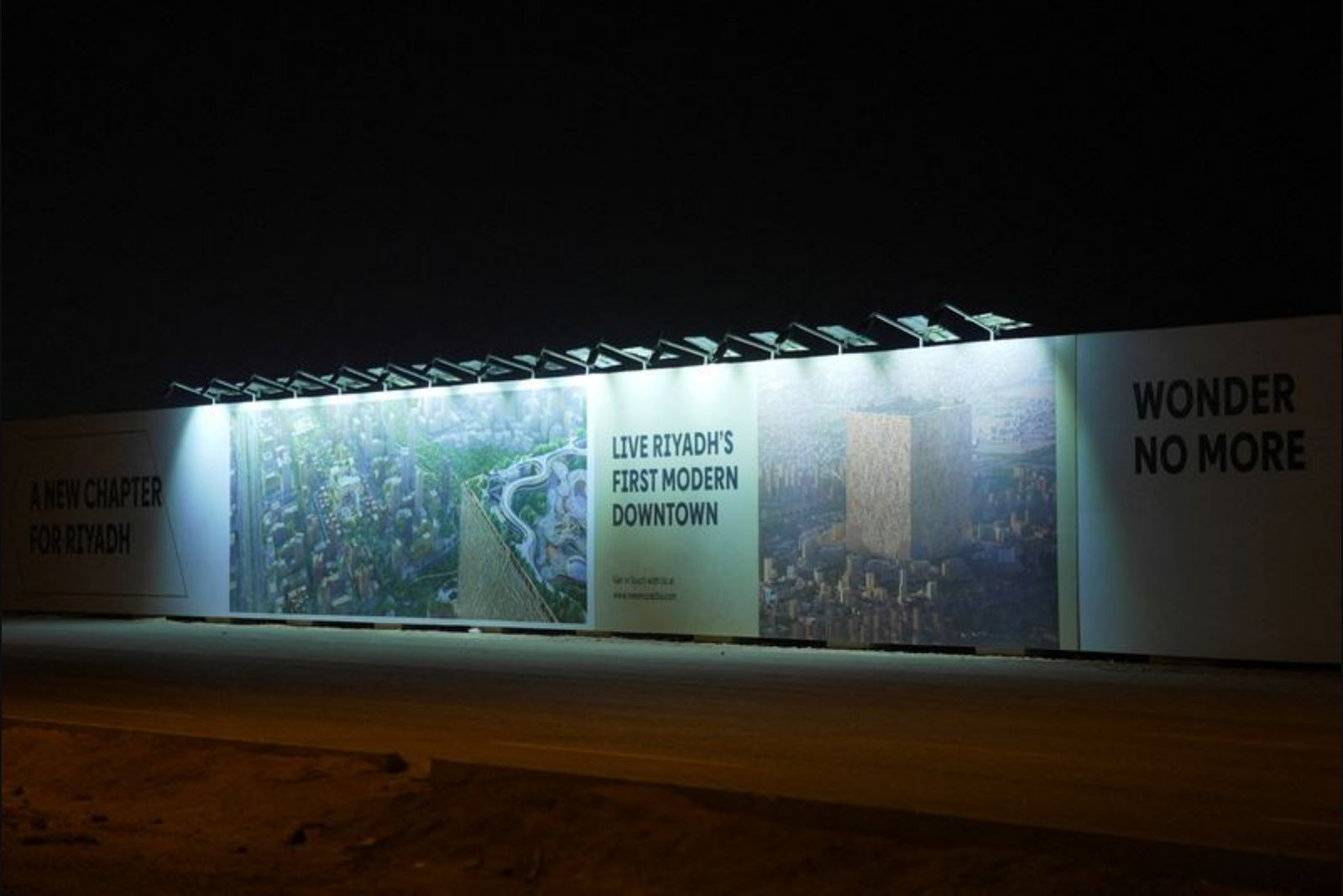
The kingdom is currently reviewing several mega projects, which have experienced delays and mounting costs. Projects cited at various stages of delay include The Line, which extends some 170 km into the desert, and the planned Trojena winter sports hub. A more recent suspension involved a proposed cube-shaped skyscraper in Riyadh. Sources said many of these projects have faced both schedule slippage and budget overruns.
Financial pressures and capital strategy
One source said the new roadmap will place greater emphasis on attracting capital from major global asset managers. That shift responds to mounting fiscal pressures as oil prices remain well below the levels required to finance the kingdom’s ambitious transformation agenda. The emphasis on outside capital represents a pragmatic adjustment in funding strategy.
Broader sectoral tilt
PIF’s updated focus includes a broader move toward logistics, mining and advanced manufacturing, in addition to clean energy and religious tourism, the sources said. These areas align with the fund’s stated intent to pivot toward industries that can deliver scalable economic returns and attract institutional capital.
Official acknowledgment of adjustments
Saudi Economy Minister Faisal al-Ibrahim has publicly acknowledged project changes, saying: "We’re very transparent. We’re not going to shy away from saying we had to shift this project, delay it, re-scope it," while not naming specific projects. That comment underscores the government’s willingness to rework large-scale plans in light of evolving priorities and constraints.
Implications
The strategic repackaging signals a material shift in priorities toward energy, industrial capacity, and sectors where external capital and operational scale can be marshaled more readily. How the reconfigured projects will be implemented, and the timing of capital raises from global asset managers, were not detailed by the sources.
Reporting is based on information from sources with direct knowledge of PIF’s planning and public statements by Saudi officials. Several details about project timelines and financing remain under review.