
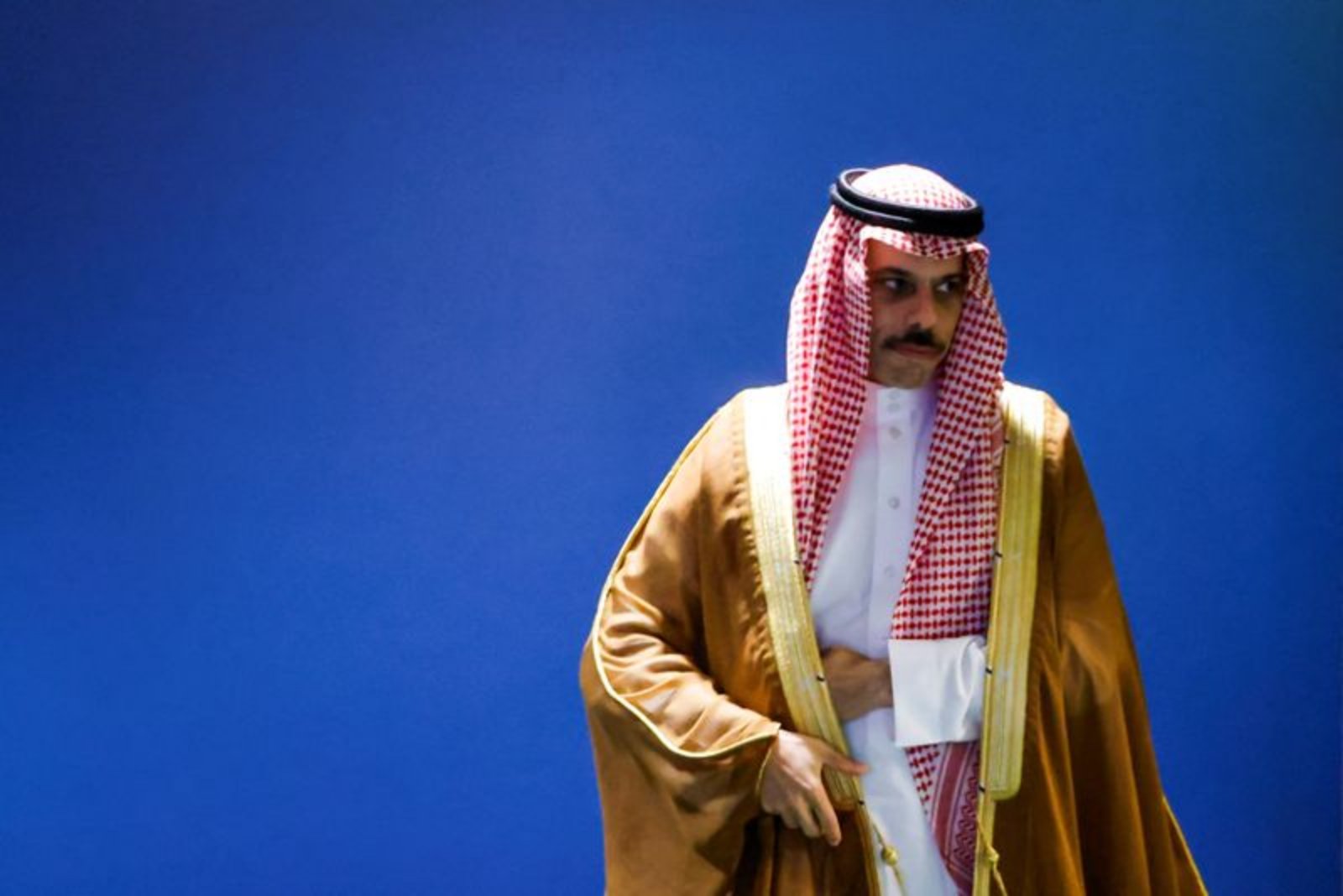
Saudi Arabia reserves the right to act militarily against Iran, the kingdom's foreign minister said, declaring that any trust with Tehran has been broken after Riyadh was targeted by Iranian ballistic missiles. The remarks were delivered early on Thursday following attacks that Saudi officials say struck parts of the capital.
Speaking after a gathering of senior regional diplomats in Riyadh, the foreign minister accused Iran of carrying out premeditated hostile operations against neighbouring states, both directly and through an array of regional proxies. He urged Tehran to rein in those proxies and said Saudi Arabia still prefers diplomacy, but warned that if Iran does not stop there may be little left to restore trust.
"This pressure from Iran will backfire politically and morally and certainly we reserve the right to take military actions if deemed necessary," he told reporters at the news conference. Iran's foreign ministry spokesperson, responding on Thursday, described the Saudi comments as "unfair" and one-sided.
The statements came amid a notable escalation in a conflict now described in diplomatic channels as a three-week-old U.S.-Israeli war on Iran, a confrontation that officials say has spread beyond the primary combatants and caused unprecedented disruption to global energy supplies.
In the most recent round, Iran accused Israel of striking facilities in the South Pars gas field on Wednesday. Iran said it retaliated by firing missiles at Qatar and Saudi Arabia and pledged further attacks on oil and gas targets across the Gulf, moves that pushed oil prices higher.
Authorities in Qatar, the United Arab Emirates and Saudi Arabia reported attacks on oil and gas infrastructure on Wednesday, after Iran announced its response to what it called a strike on a key gas field. Saudi officials said the kingdom has faced hundreds of missiles and drones since the start of the conflict, with the bulk intercepted by air defenses.
On Wednesday, interceptors were observed being launched from near the Riyadh hotel where the regional meeting took place. The conference drew foreign ministers from roughly a dozen countries, including Turkey, the UAE, Jordan, Qatar and Syria, who convened to discuss the Iran war.
Saudi Arabia's defense ministry said it had shot down four ballistic missiles aimed at Riyadh and that some debris fell close to a refinery south of the city. For many residents, Wednesday's strikes were the first time they had heard explosions or received emergency warning texts.
Saudi Arabia and Iran reestablished diplomatic relations in 2023 as an effort to reduce tensions after years of rivalry. Despite that rapprochement, the foreign minister's comments underline how recent hostilities have undermined confidence between the two governments.
He reiterated a preference for a diplomatic path but concluded that unless Iran halts its current actions "almost nothing that can re-establish trust" will remain. The tenor of his remarks represented some of the sharpest language to come from Riyadh since the onset of the conflict.
The situation remains fluid, with tangible impacts already being felt in energy markets and the Gulf region's security environment. Regional foreign ministers met in Riyadh to discuss the war as interceptors were observed near the conference venue and as authorities continued to assess damage and defend critical infrastructure.