
Commodities March 18, 2026

Saudi Air Defences Destroy Four Ballistic Missiles Headed for Riyadh Ahead of Regional Foreign Ministers' Meeting

Interceptions scatter debris across the capital; meeting of Arab and Islamic foreign ministers proceeds amid persistent regional strikes

By Derek Hwang
Saudi Air Defences Destroy Four Ballistic Missiles Headed for Riyadh Ahead of Regional Foreign Ministers' Meeting

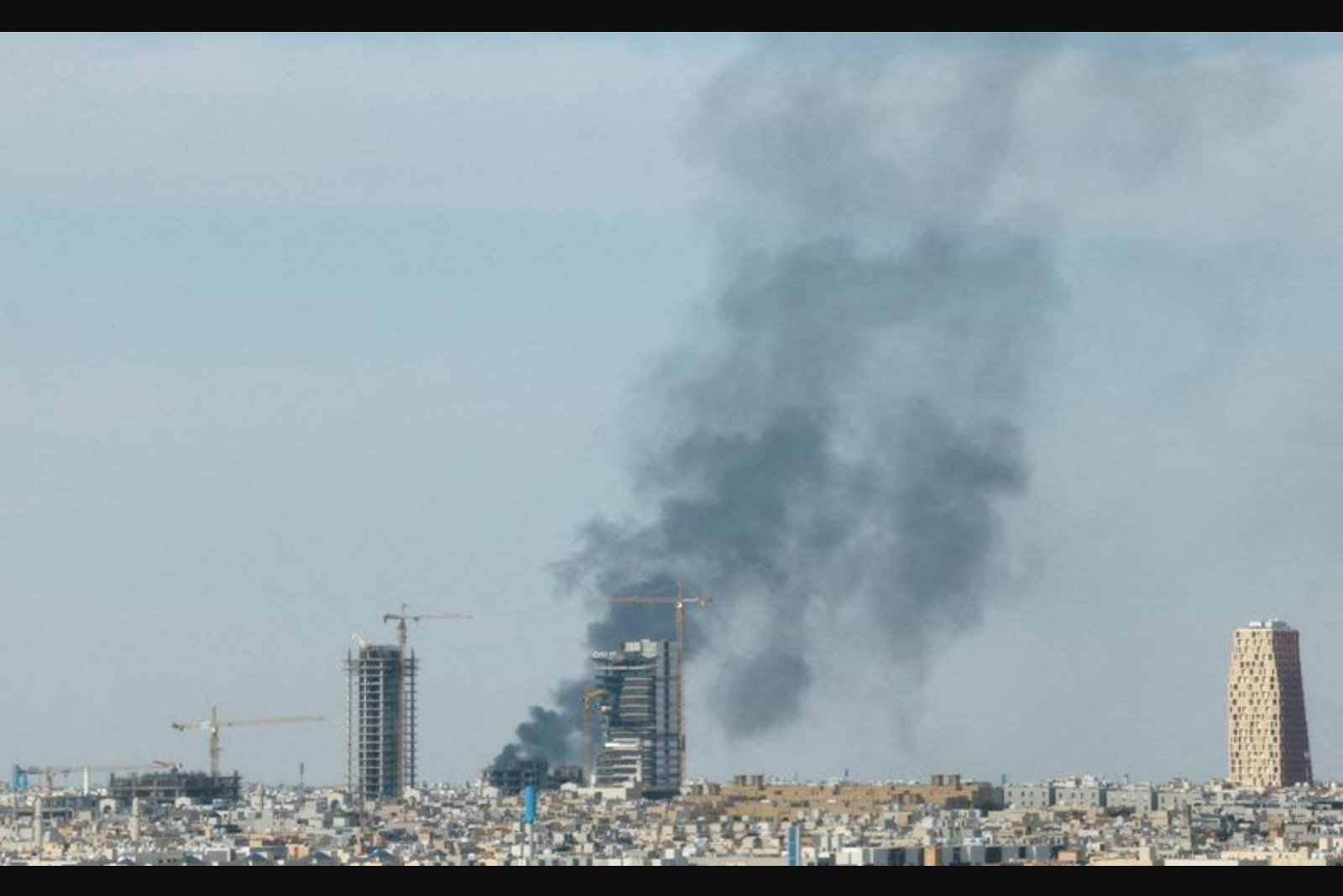
Saudi Arabian air defences intercepted and destroyed four ballistic missiles launched toward Riyadh, officials said, producing scattered debris but no reported casualties or damage in initial assessments. The strikes occurred hours before a consultative meeting of foreign ministers from several Arab and Islamic countries convened in the capital to discuss regional security amid an ongoing war that has already disrupted global energy supplies.

Key Points

  • Saudi air defences intercepted and destroyed four ballistic missiles targeting Riyadh; initial official assessments report no casualties or damage.
  • Debris from the interceptions fell across parts of the capital; many residents heard blasts and some received phone alerts warning of a hostile aerial threat.
  • The interceptions occurred hours before a consultative meeting of foreign ministers from multiple Arab and Islamic countries to discuss regional security amid a war that has disrupted global energy supplies - sectors affected include energy markets and defence-related industries.

Saudi Arabia's Defence Ministry reported that four ballistic missiles fired toward Riyadh were intercepted and destroyed on Wednesday, scattering debris across multiple parts of the capital but, according to initial assessments, causing no casualties or structural damage.

Residents in the city reported several loud booms, and some received phone alerts for the first time warning of a hostile aerial threat. State television earlier said Saudi air defences had engaged a "ballistic threat" over Riyadh.

Two witnesses described seeing apparent interceptions on the western edge of the city, near the Diplomatic Quarter that houses foreign missions. The interceptions occurred hours before a consultative meeting convened in Riyadh, at which foreign ministers from a number of Arab and Islamic countries were due to meet to discuss ways to support regional security and stability in the context of the ongoing war involving Iran.


Officials and local accounts placed emphasis on the lack of immediate casualties or damage in initial assessments, but noted that scattered debris fell across various locations in the capital. The Defence Ministry and state broadcasting reported that air defences successfully dealt with the incoming ballistic threat.

The attack is part of a wider pattern of strikes on the Gulf kingdom since the recent escalation. Authorities say the country has faced hundreds of missiles and drones attributed to Iran over the past weeks, with the vast majority intercepted by Saudi defences. For many residents of Riyadh, Wednesday's blasts and the receipt of aerial threat alerts marked the first direct signs of such an attack in the city.


The diplomatic meeting in Riyadh was organized to bring together representatives from several countries to consult on regional security and stability as the conflict continues. A Turkish diplomatic source indicated that delegations from Azerbaijan, Bahrain, Egypt, Jordan, Kuwait, Pakistan, Qatar, Syria, Turkey and the United Arab Emirates were expected to attend the consultative session.

The situation shows few signs of de-escalation nearly three weeks into the war, a conflict that officials say has engulfed the region and led to unprecedented disruption to global energy supplies. The timing of the missile interceptions, occurring just ahead of a planned gathering of foreign ministers, underscored the persistent security challenges facing the kingdom and the region as a whole.

Risks

  • Continued missile and drone strikes across the Gulf region - risk to regional security and to supply-sensitive sectors such as energy.
  • Limited signs of de-escalation nearly three weeks into the war - uncertainty for diplomatic efforts and for markets sensitive to Middle East stability.
  • Potential for future incidents in major population centers despite interceptions - risk to civilian safety and to confidence in regional stability even if initial assessments show no casualties.

More from Commodities

Brazil Flags Fertilizer Strain as Urea Prices Jump, Farmers Eye Cheaper Alternatives Mar 18, 2026 U.S. Legislators Urge Rubio to Insist on 'Gold Standard' Non-Proliferation in Saudi Nuclear Talks Mar 18, 2026 Traders Rush to U.S. Distillate Tanks as Hormuz Disruptions Tighten Global Supply Mar 18, 2026 U.S. to Temporarily Relax Summer Gasoline Rules to Help Lower Pump Prices Mar 18, 2026 Beijing Visit Delayed as White House and China Agree to Reschedule Mar 18, 2026