
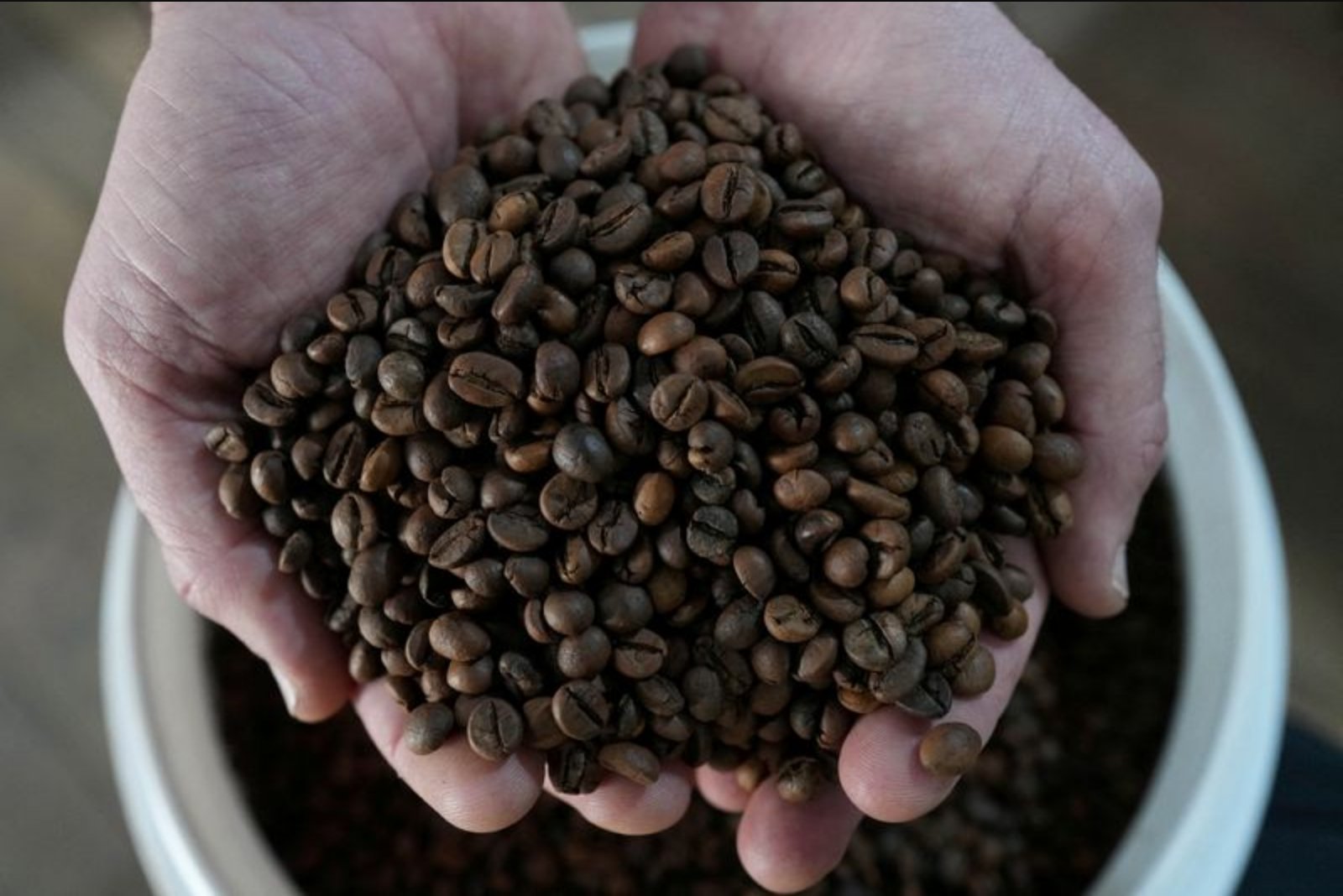
The Biological Institute in Sao Paulo has increased the size of what is described as the world’s largest urban coffee plantation by introducing roughly 1,500 new coffee plants this week. The additions, sited in the Vila Mariana neighborhood, are intended for study under common growing conditions to assess their resistance to pests, fungal disease and drought-like conditions.
Established in 1927, the institute was originally created to confront pest problems such as the coffee berry-borer beetle, an insect that consumes beans inside coffee cherries. The institute pursued biological control measures to tackle that threat, a legacy that continues to inform its research agenda.
The plantation, which already contained more than 2,000 coffee plants, received new arabica varieties described by researchers as resistant to pests and to coffee rust - a fungal disease that affects coffee crops. In addition to those arabica types, other new plants in the planting are characterized as more tolerant of conditions resembling drought, intended to withstand water deficits.
"The Biological Institute was created to control the coffee berry-borer (which) was controlled using parasitoids, a biological control method," institute researcher and agricultural engineer Harumi Hojo said. In demonstrating differences in fruit condition, Hojo held two coffee cherries, one showing a healthy interior with smooth white beans and another visibly rotten after being devoured by a beetle.
Over time, the institute has broadened its work beyond insect control to investigate other variables that affect coffee plant performance, including soil characteristics and climatic conditions. By cultivating a variety of coffee strains side by side under the same conditions, researchers can observe how distinct plants tolerate pests, disease and climate-related stressors.
Of the newly planted specimens, 300 are noted specifically for their tolerance to water deficits. Researchers say the development of drought-tolerant coffee varieties could prove useful where water for irrigation is limited. Hojo noted the value of plants that can persist until irrigation sourced from captured rainwater is available, rather than relying on groundwater that may be scarce.
"We know that climate change and water availability are going to be problems for our future," Hojo said, underscoring the institute’s focus on breeding and testing plants that cope with rising temperatures and reduced water supply.
This expansion at Sao Paulo’s urban coffee plot highlights ongoing scientific efforts to build resilience in coffee cultivation through pest-resistant and drought-tolerant varieties, while maintaining a focus on biological control techniques pioneered by the institute nearly a century ago.