
Commodities February 4, 2026

Russian Oil Receipts Collapse to Five-Year Low in January

Lower world prices, wider Urals discounts and a stronger ruble halve oil tax income and deepen fiscal pressure

By Leila Farooq
Russian Oil Receipts Collapse to Five-Year Low in January

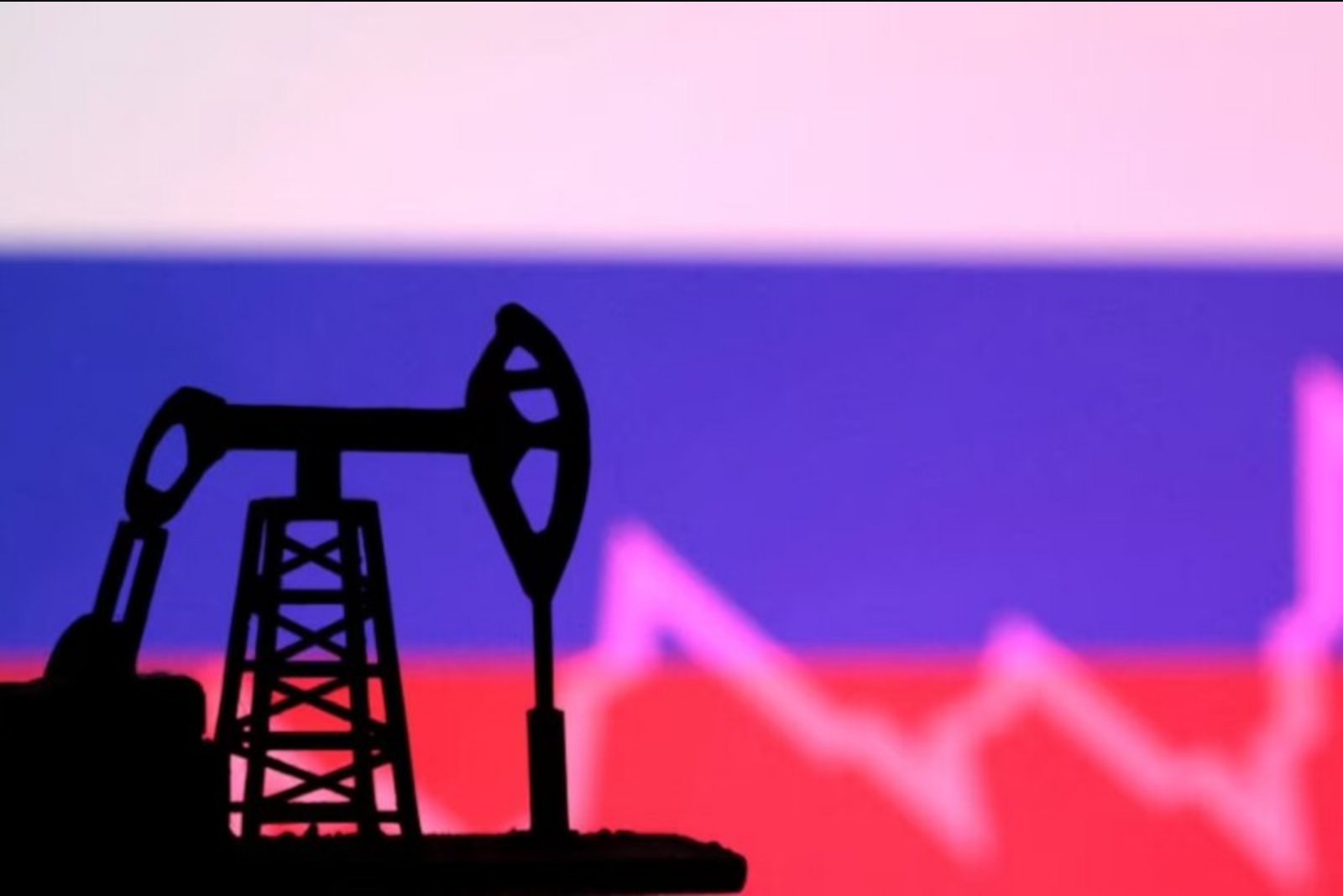
Russian receipts from oil plunged to their weakest level in more than five years in January as the country faced a threefold squeeze: weaker global crude prices, larger discounts for its benchmark Urals grade and a firmer ruble. Oil-related tax revenue fell 50% year-on-year to 281.7 billion rubles ($3.7 billion), while combined oil and gas proceeds likewise dropped by half to 393.3 billion rubles.

Key Points

  • Oil-related tax revenue dropped 50% to 281.7 billion rubles ($3.7 billion) in January versus January 2025.
  • Combined oil and gas receipts fell 50% to 393.3 billion rubles; these sectors make up roughly a quarter of Russia's budget.
  • Urals crude traded about $26 per barrel below Dated Brent at export points, more than doubling the discount from roughly $12 a year earlier.

Russian oil revenues plunged to a five-year low in January as three concurrent forces compressed receipts: lower international crude prices, sharply wider discounts for Russia's Urals grade at export points, and a stronger ruble.

Tax and sector receipts

Oil-related tax income fell by half to 281.7 billion rubles ($3.7 billion) compared with January 2025. When oil and gas are combined, revenues also fell 50% to 393.3 billion rubles. Those two sectors account for roughly a quarter of Russia's budget, underscoring the significance of the decline.

Price movements and discounts

Global benchmarks were lower: Brent oil futures were 15% down year-on-year for the fiscal period. The effect on Russia was amplified by U.S. sanctions. January's oil revenue hit the lowest point since June 2020.

At export hubs, Urals crude traded at about $26 per barrel below Dated Brent. That discount has widened significantly from roughly $12 below the benchmark a year earlier, according to data from Argus Media. The expansion of the Urals discount followed the U.S. blacklisting of Russia's two largest producers, Rosneft PJSC and Lukoil PJSC, announced in October.

Government calculations versus budget assumptions

Russia's finance ministry based its oil-revenue calculation on Urals averaging $39.18 per barrel in December, a 38% decline from the prior year. That computed average sits well under the government's fiscal planning assumption of $59 per barrel for 2026.


Context limitations

The figures above reflect official revenue calculations and market discounts cited by industry data. The report does not provide further breakdowns of taxation components, ruble exchange-rate metrics, or prospective policy responses.

Risks

  • Sustained lower global oil prices and expanded Urals discounts may keep oil and gas receipts depressed, affecting government fiscal capacity.
  • Sanctions-related market impacts - including the U.S. blacklisting of Rosneft PJSC and Lukoil PJSC - have contributed to the wider discount for Urals and could prolong revenue pressure.
  • The finance ministry's December Urals average of $39.18 per barrel is materially below the government's $59 per barrel budget assumption for 2026, creating fiscal uncertainty.

More from Commodities

Supreme Court Ruling May Lower Equipment Costs for U.S. Energy Firms but Won’t Likely Shift LNG Trade Flows Feb 20, 2026 U.S. and Iran Move Closer to Military Confrontation as Diplomatic Channels Falter Feb 20, 2026 USDA to Send $12 Billion in One-Time Farm Aid as Officials Warn of Lingering Stress in Agriculture Feb 20, 2026 Cuba Turns to Solar as Fuel Supplies and Power Grid Strain Under U.S. Measures Feb 20, 2026 Citigroup Maps Out Oil Price Paths as U.S.-Iran Tensions Mount Feb 20, 2026