
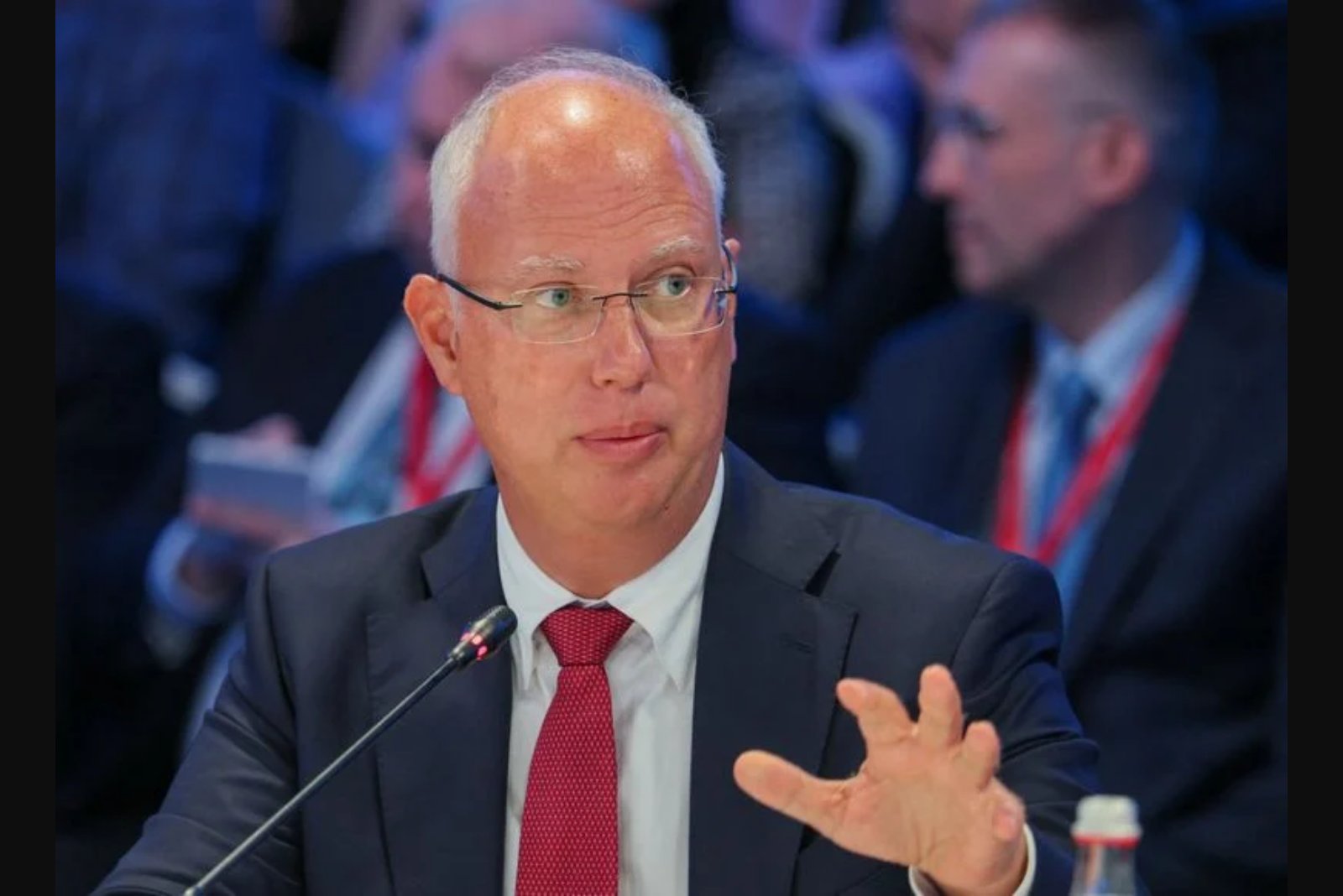
Russia and the United States are maintaining dialogue on energy and economic issues despite a suspension of formal peace negotiations over the Ukraine conflict, Kirill Dmitriev, President Vladimir Putin’s special envoy, said on the sidelines of Russia’s largest economic conference.
Addressing reporters, Dmitriev said he had held conversations a day earlier with U.S. negotiators, naming Steve Witkoff and Jared Kushner. "We talked to Steve Witkoff and Jared Kushner yesterday. So the dialogue continues, and there is constant communication," he said, framing those contacts as part of an ongoing exchange between the two countries at different levels.
The Kremlin announced on May 18 that the Russia-Ukraine peace process was on hold, though Moscow signaled an expectation that talks would resume. Dmitriev reiterated that while formal peace negotiations are paused, bilateral contacts between Moscow and Washington persist on a range of topics beyond the conflict.
Diplomatic openings and trilateral possibilities
Dmitriev noted that not all channels of communication are tied strictly to the Ukraine negotiations. He said discussions between Russia and the United States would continue on energy, the economy, and broader global stability. On the prospect of involving Ukraine directly, he said there could be scope for three-way talks when circumstances are appropriate: "And then when the time is right, I think there will be an opportunity also for trilateral discussions, but this is more on a diplomatic track," Dmitriev added.
The envoy’s remarks followed earlier high-level contacts: U.S. President Donald Trump and President Putin last spoke on April 29, when they discussed a temporary Ukraine ceasefire linked to the anniversary of the end of World War Two. Dmitriev himself had met with Kushner and Witkoff in April.
Security environment and the stalled peace process
Since the brief ceasefire referenced by Dmitriev, hostilities have intensified. Russia has launched strikes on Kyiv and other Ukrainian cities using drones and missiles, while Ukrainian forces have targeted refineries, ports, and other industrial facilities located deep inside Russia. The U.S.-mediated peace initiative, which began during Russia-U.S. talks in Riyadh in February last year, remains stalled over Moscow’s demand for the transfer of a portion of the Donbas region that is still under Ukrainian control before any settlement can be reached.
Energy waivers and market stability
Energy policy has remained a focal point in the bilateral exchanges. The United States extended, on May 18, a 30-day sanctions waiver for a third time, allowing purchases of Russian seaborne oil to assist what it termed "energy-vulnerable" countries affected by the Iran war. Dmitriev, who participated in earlier discussions with the Trump administration about previous extensions, said U.S. officials recognize the waivers’ importance in stabilizing markets amid the Middle East crisis.
"Extending waivers before was good for the markets. I think the U.S. administration understands that without Russian oil, without Russian gas, it’s impossible to have stability in the energy markets," Dmitriev said. He declined to comment on whether the waiver would be renewed again this month.
With multiple diplomatic tracks operating concurrently, Dmitriev’s comments underscore that economic and energy discussions between Moscow and Washington continue even as formal peace negotiations remain suspended.