
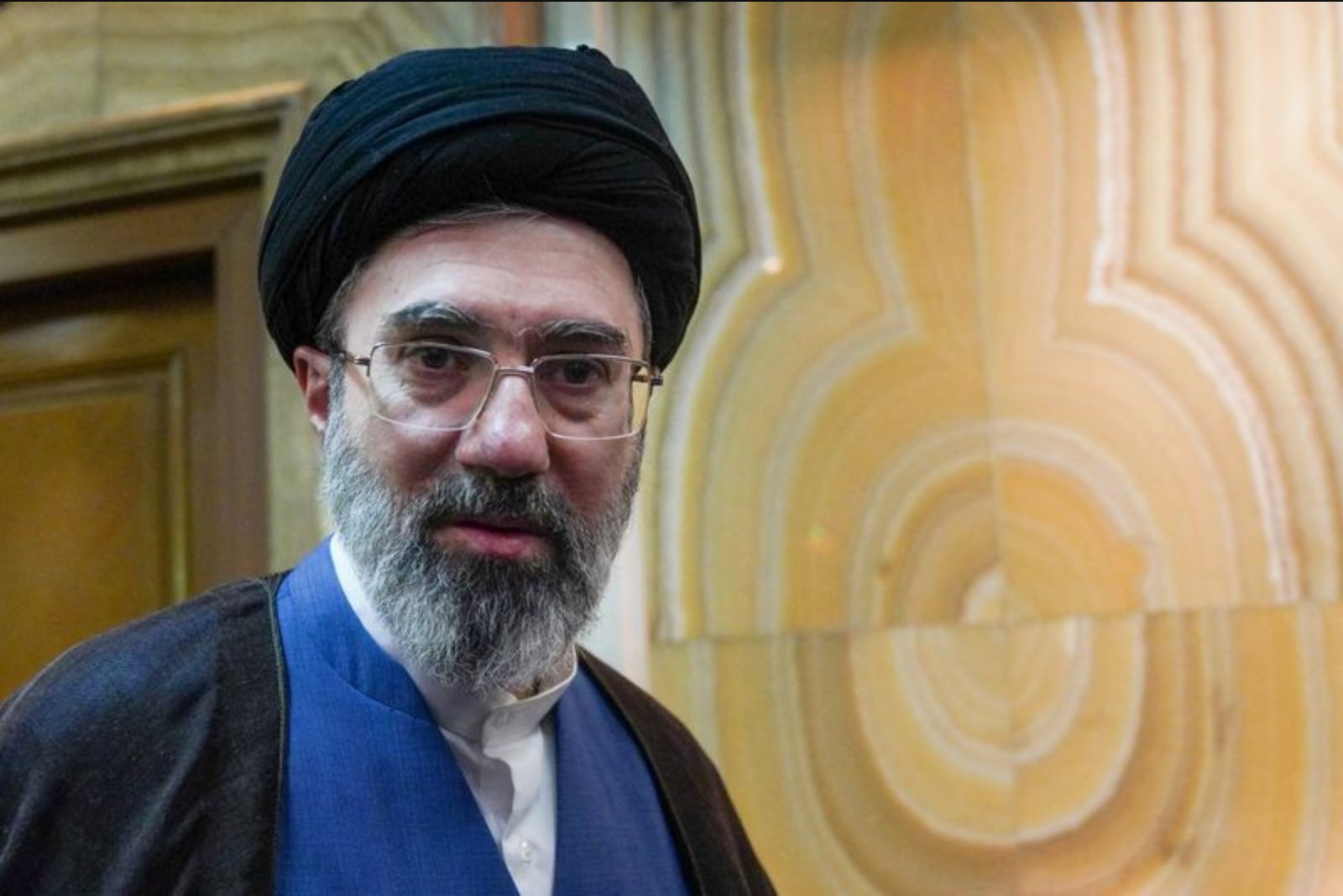
DUBAI, March 10 - Senior Iranian sources say the Islamic Revolutionary Guard Corps forced through the appointment of Mojtaba Khamenei as supreme leader, viewing him as a more compliant successor who would advance their hardline agenda. The Guards’ intervention, those sources said, overwhelmed resistance from pragmatic politicians and clerics and deepened the corps' already substantial influence amid an ongoing war that has resulted in more than a thousand Iranian deaths.
According to multiple insiders, the Guards amplified their authority during the conflict and rapidly prevailed over the doubts of senior political and clerical figures. Those reservations delayed the public announcement of the new leader by several hours, the sources added. By Tuesday evening, nearly 48 hours after the Assembly of Experts declared his selection, Mojtaba Khamenei had not issued any public statement, a silence that added to the unease of those who had opposed his elevation.
Three senior Iranian sources, a reformist former official and an additional insider told reporters that they expect the selection - engineered by the Guards - to translate into a more aggressive foreign posture and harsher domestic repression. Two of those sources warned that the Guards’ ascendancy risks further converting the Islamic Republic into a system with military dominance and a narrowing of religious legitimacy to a superficial layer, a dynamic they said could erode a dwindling base of public support and reduce the government's capacity to address complex threats.
Reports circulating in state media and among the public suggested Mojtaba Khamenei may have been injured in the strikes that killed his father. A state television presenter referred to him as a "janbaz" - a wounded veteran of the conflict Iran calls the Ramadan War. Reuters has not independently confirmed the reported injury. Observers and sources say that the combination of potential injury and heightened security concerns after the assassination on February 28 may explain why the new leader has remained silent since the 88-member Assembly of Experts announced his election late on Sunday.
Authority in practice, the sources said, now resides most visibly with the Guards and the office of the supreme leader - the beyt - an institution that has long run a parallel network of influence across the bureaucracy. The Guards' influence became overt when President Masoud Pezeshkian, serving as part of a three-person interim executive during the interregnum, was compelled to retract and apologize to Gulf states for attacks, a climbdown that senior Guards figures reportedly regarded with anger.
One of the senior sources said that the late Ayatollah Ali Khamenei had previously managed to contain the Guards to some extent by balancing their perspectives against those of political and clerical elites. That internal balance, the source contended, appears to have shifted. Even if Mojtaba Khamenei is physically able to assume full responsibilities, the source said, the Guards may now hold the final say over major policy choices.
"Mojtaba owes his position to the Revolutionary Guards and as such he is not going to be as supreme as his father was," said Alex Vatanka, a senior fellow at the Middle East Institute in Washington, D.C.
Constitutionally, the Assembly of Experts is charged with selecting the supreme leader. But the selection process has historically been influenced by powerful backers, and this time the sources said the decisive actors were the Guards. All five sources described the Guards as far more blunt and directive in their approach than previous kingmakers.
Officials and members of the Assembly said the Guards argued that wartime conditions required a rapid selection and that the candidate needed to project defiance toward the United States. The seminary city of Qom, where the Guards' hall was reportedly bombed, was not available for the assembly, forcing the body to convene at a different and undisclosed site. Ayatollah Mohsen Heydari, a member of the Assembly, stated on state television that the body met its two-thirds quorum, though he did not specify how many members were present. Heydari said 85-90% of those attending endorsed Mojtaba Khamenei.
The available figures indicate the vote was not unanimous - a result the Guards may have hoped for - but they do not clarify how many absent members might have opposed or supported the nomination. Sources said some ayatollahs were uncomfortable with what they saw as an effectively hereditary transition and feared it would alienate supporters of the ruling system. In the days preceding the appointment, several clerics and political figures sought to promote an alternative candidate through multiple discussions, one source said.
That effort faltered in the face of reported pressure from the Guards. The reformist former official described the Guards as threatening critics of the accession, while an insider said they contacted Assembly members to press for backing, producing objections but ultimately yielding the majority support needed to elect Mojtaba Khamenei. The timing of the announcement shifted; originally planned for Sunday morning, it was only disclosed late that night because of lingering opposition, according to the five sources.
For years, Mojtaba Khamenei managed the beyt, cultivating close ties with the Guards, particularly with mid-level commanders who have succeeded senior generals lost during the war, one official said. That relationship, several sources argued, will have concrete implications: domestic governance and foreign policy could move toward more radical positions, and the Guards may finally attain the level of control they have sought for years.
Summary of key developments
- The Revolutionary Guards played a decisive role in securing Mojtaba Khamenei's selection as supreme leader, overcoming resistance from political and clerical figures.
- Mojtaba Khamenei had not made a public statement nearly 48 hours after his selection; reports say he may have been wounded in the strikes that killed his father, though this has not been independently confirmed.
- Sources warn the Guards' strengthened position may lead to a tougher foreign posture and stricter domestic repression, and could shift the balance of power toward a system with pronounced military control and limited religious legitimacy.
Contextual notes and limitations
The accounts in this report are drawn from multiple senior Iranian sources, a reformist former official and other insiders. The precise number of Assembly of Experts members present for the vote was not specified beyond the statement that the body met its two-thirds quorum and that 85-90% of those present supported the selection. The condition of Mojtaba Khamenei remains unverified, and the extent to which absent members might have influenced the outcome is not known.