
Markets entered the day on edge after a surprisingly flat retail sales reading for December, a data point that injected fresh doubt about Main Street demand at a time when investors are bracing for the January payrolls report due later in the session.
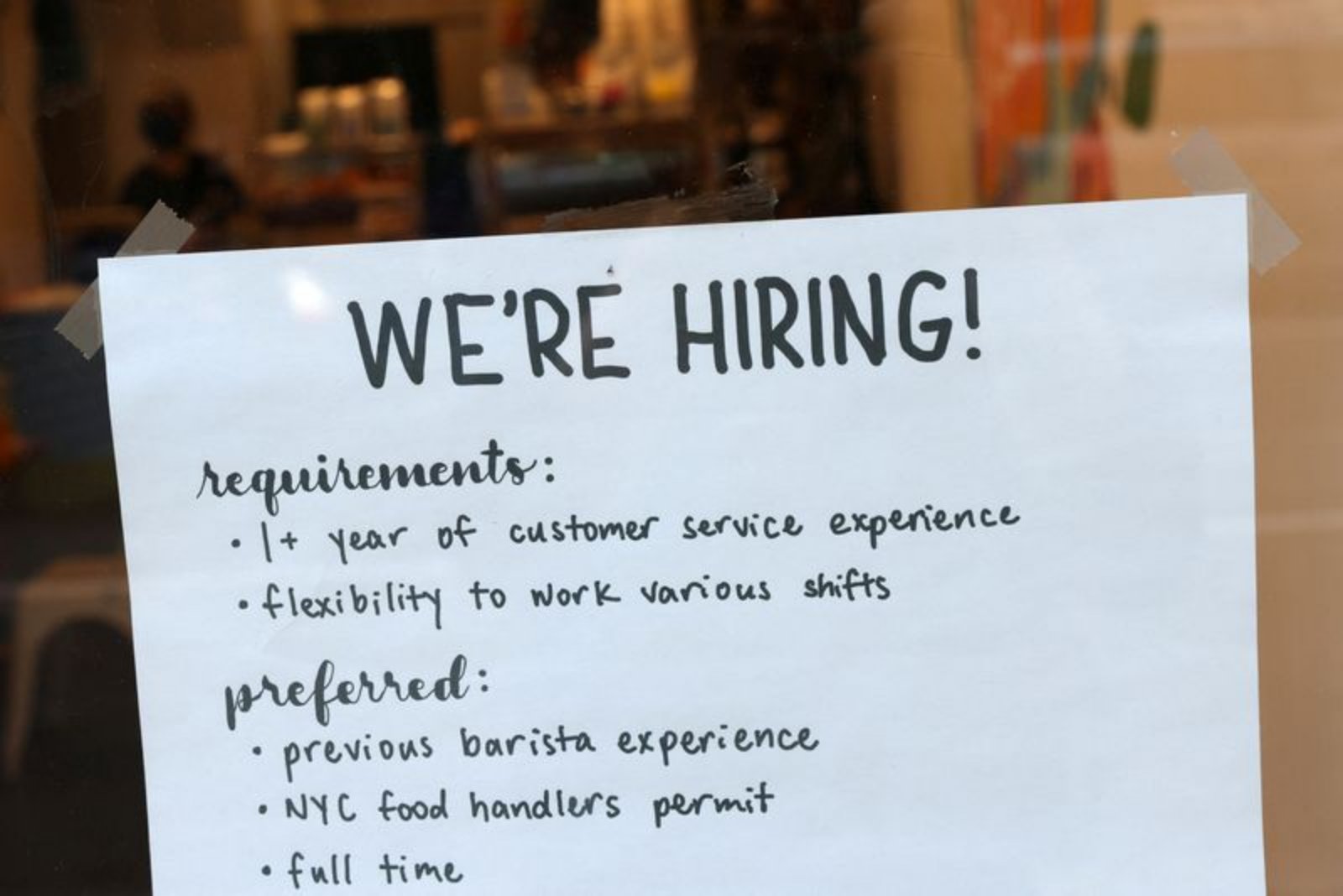
The muted retail outcome compounded anxiety over the labor picture. Consensus expectations call for an increase of 70,000 jobs in January, but recent weak jobs readings have left some market participants questioning whether that forecast is too optimistic. Added to the unease are annual benchmark payroll revisions that could trim reported job gains over the past year by an estimated 750,000-900,000 positions.
Markets reacted quickly to the retail surprise. Fed futures shifted toward a more dovish stance, with pricing now implying almost a 50% probability of a Federal Reserve rate cut as soon as April - the chair's final scheduled meeting - and pricing a cut by June as fully likely once Kevin Warsh is expected to take over. Across the calendar year, roughly 60 basis points of easing are now factored into futures.
These market-implied moves contrast with recent comments from two policymakers on the Fed's policymaking council. Cleveland Fed boss Beth Hammack and Dallas Fed's Lorie Logan each said they do not expect rates to move lower anytime soon, underscoring an internal split in views. The market will likely wait for the consumer price index inflation report later in the week for clearer guidance on the inflation backdrop.
On the sovereign debt front, yields moved down across the curve during what remains a heavy debt auction week. The dollar continued to decline on Wednesday, notably weakening against a resurgent yen. Equity markets reflected the soft data too - the S&P 500 closed lower on the retail miss and futures were subdued ahead of the payrolls release amid ongoing disruption in technology and AI-related sectors.
Tech and AI developments remain a mixed influence. Global chipmaker TSMC reported January revenues that rose almost 40% year-on-year and flagged additional capital expenditure plans, a positive data point for the semiconductor complex. Separately, reports indicate TikTok owner ByteDance is developing a new AI chip with Samsung, signalling continued competition and investment in AI-focused hardware.
That upbeat hardware news was offset by a fresh wave of AI-related market stress. Software and data analytics stocks had already been pressured last week by an Anthropic-linked sell-off, and on Tuesday the launch of an AI-enabled tax planning tool by wealth management startup Altruist hit shares of established wealth managers such as Charles Schwab. The effect echoed into European financial services stocks on Wednesday as investors tried to parse which firms will benefit or be disrupted by AI innovations.
Investors are growing more aggressive in distinguishing potential winners from losers in the AI transition, a process that is producing sharp moves in individual names and sectors. A Reuters poll referenced by market observers showed that more than 90% of economists surveyed this month see Fed Chair nominee Kevin Warsh as more likely to set policy too loose rather than too tight, a view that aligns with the market's recent shift to price earlier easing.
Events to watch today
- U.S. January employment report (8:30 AM EST)
- U.S. 10-year note auction
- Speeches by Fed’s Michelle Bowman, Kansas Fed’s Jeffrey Schmid, and Cleveland Fed’s Beth Hammack
- U.S. corporate earnings: Cisco Systems, Equinix, Hilton Worldwide, Kraft Heinz, McDonald’s, T-Mobile US
The data and commentary scheduled for the day will be pivotal in shaping whether the market's more dovish pricing persists or whether higher-for-longer rhetoric from Fed officials reasserts itself. For now, the intersection of a soft retail reading, uncertain payrolls, dovish futures pricing, and continued AI-driven sector rotation is setting a cautious tone across risk markets.