
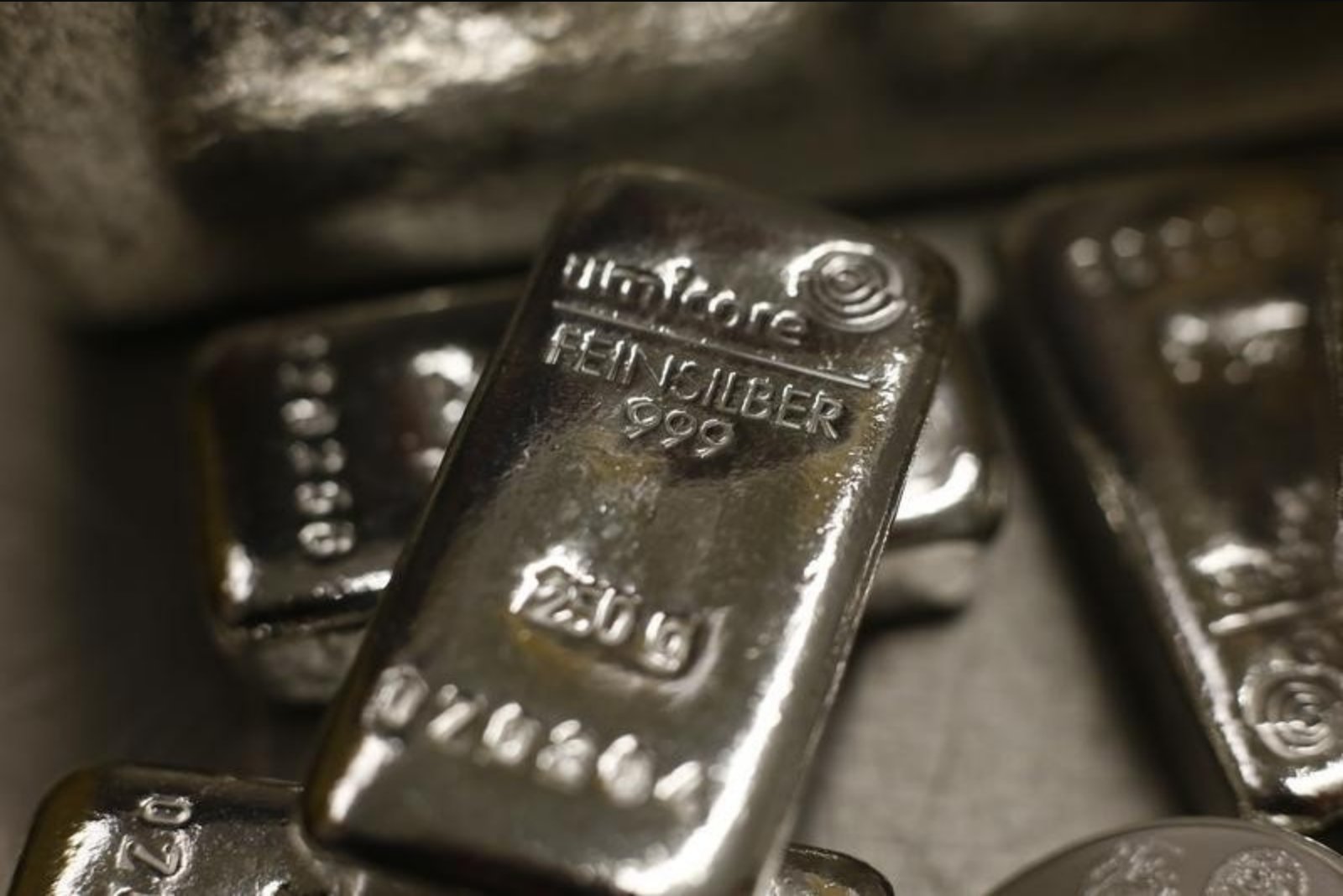
Silver is entering another year of structural shortage, according to research from RBC Capital Markets, with inventory levels at historic lows and investment appetite remaining firm. In a note, RBC analyst Marina Calero said the metal is headed into its eighth consecutive deficit year and that the physical market is unlikely to rebalance quickly.
Calero reported that the silver market closed 2025 with a deficit of 242 million ounces (Moz) and expects the market to remain undersupplied through 2026. She argued that while rising prices could prompt some supply-side or demand-side responses, those adjustments are likely to be limited and insufficient to erase the shortfall rapidly.
The analyst outlined a range of factors that could partially offset the deficit. Increased secondary supply and weaker jewellery and silverware demand could together reduce the deficit by roughly 50 Moz. Even with that easing, however, the reduction would fall short of closing the gap identified at the end of 2025.
On the supply side, Calero highlighted structural constraints that make a quick mine-supply response unlikely. She cited permitting challenges, aging assets and a paucity of significant new discoveries as reasons mine production is not expected to rise meaningfully in the near term.
Macro conditions, in Calero's view, are supportive of continued investment demand for silver. She pointed to a combination of a weaker dollar, persistent interest in real assets and the prospect of easier monetary policy as the right set of macro ingredients to keep investment flows into the metal robust.
Given the tightness in the physical market, RBC expects the gold-silver ratio to remain around 60-65x over the next couple of years. Despite this near-term constructive setup for silver, Calero expressed more caution over the medium term, noting growing risks that industrial demand could be materially curtailed, with the solar sector a particular area of concern.
Industrial usage accounted for about 60% of total silver consumption in 2025, the analyst said. Silver now represents roughly 30% of average solar cell costs, a dynamic that has accelerated efforts to thrift silver content and pursue substitution. Calero emphasized that industrial demand "remains the biggest question mark."
Turning specifically to solar, RBC noted that the technology consumed around 190 Moz of silver in 2025, equivalent to roughly 17% of total demand. The analyst warned that the development of a silver-free solar technology could ultimately eliminate a major source of demand and act as a cure for elevated silver prices.
In equities, RBC favors gold producers over silver in the medium term, citing higher expected upside in gold and current valuations across mining stocks. Nevertheless, the brokerage observed that silver equities still look attractively valued relative to the broader market, even if many companies appear to be pricing in bullish silver assumptions.
Calero singled out Hochschild Mining and Coeur Mining as top picks among producers, and identified Wheaton Precious Metals and OR Royalties as preferred names within the royalty space. She also noted that silver producers covered by RBC are, on average, being valued at assumptions near $100/oz, while royalties are being priced at about $144/oz. Both figures sit above spot silver levels of $90/oz, according to the note.
RBC concluded that valuation differentials, together with a stronger expected upside in gold, leave the brokerage favoring pure-gold producers. Still, the silver sector, despite recent underperformance relative to the metal itself, continues to screen well versus broader market peers.
Key points
- Silver entered an eighth consecutive year of structural deficit with inventories at an all-time low and a 242 Moz shortfall closing 2025.
- Secondary supply and weaker jewellery and silverware demand could reduce the deficit by about 50 Moz, but mine supply is unlikely to rise quickly due to permitting, aging assets and limited new discoveries.
- Industrial demand, particularly from solar where silver represents roughly 30% of average solar cell costs, is the largest uncertainty and could materially affect medium-term demand.
Risks and uncertainties
- Development of silver-free solar technology could significantly reduce solar-related demand, affecting the metals and renewable energy supply chains.
- Mine supply constraints - driven by permitting delays, aging operations and few new discoveries - could maintain or worsen the supply shortfall, impacting mining equities and downstream users.
- Valuation risk in equities as producers and royalties appear to price in $100/oz and $144/oz respectively, above spot levels of $90/oz; potential downside exists if silver fails to reach those assumptions.