
Commodities March 10, 2026

Qatar Seeks Stronger U.S. Defence Ties After Iranian Strikes on Its Territory

Doha calls for bolstering existing security agreements as regional strikes disrupt energy output and heighten risks to bases

By Marcus Reed
Qatar Seeks Stronger U.S. Defence Ties After Iranian Strikes on Its Territory

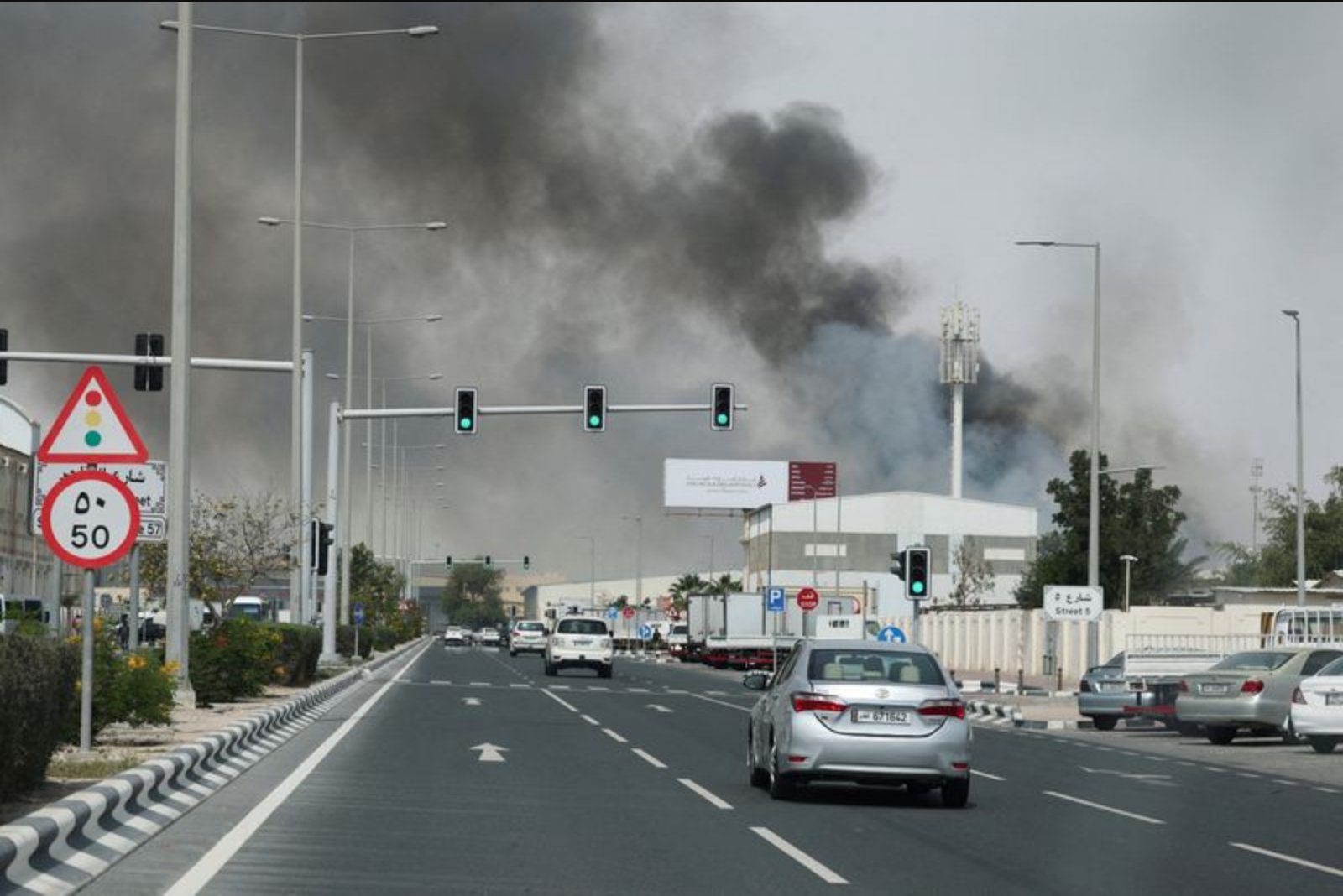
Qatar has signaled a desire to deepen its defence partnership with the United States following Iranian missile and drone strikes that hit Qatari territory. While Doha continues to view its current agreements as a key deterrent, a government spokesperson said those arrangements should be reinforced to remain effective if the conflict escalates. The strikes have affected regional oil output and lifted prices, and Qatar’s hosting of the U.S. Al Udeid Air Base places it at the center of heightened regional tensions.

Key Points

  • Qatar has expressed a desire to bolster its defence partnership with the United States following Iranian missile and drone strikes on Qatari territory.
  • The strikes have disrupted regional oil output and caused oil prices to rise, highlighting immediate impacts on the energy sector and markets.
  • Qatar hosts the largest U.S. base in the Middle East, Al Udeid Air Base, which Iran attacked during the conflict that began on February 28; this raises risks for military assets and regional security.

Qatar wants to strengthen its defence partnership with the United States in the wake of Iranian air strikes on Qatari territory, a foreign ministry spokesperson said on Tuesday, while stressing that the existing bilateral arrangements remain an important deterrent.

Iran launched missile and drone attacks on its oil-producing Gulf neighbours after U.S.-Israeli strikes that killed its top leaders. The conflict disrupted output in the region and sent oil prices surging.

Qatar hosts the biggest U.S. base in the Middle East, Al Udeid Air Base, which was attacked by Iran during the war that erupted on February 28. In comments at a media briefing, Majed Al Ansari, the foreign ministry spokesperson, said the security partnership with the United States "was not in question, but added that its deals with the U.S. and European countries need to be strengthened."

Al Ansari emphasized the role of international partnerships in Qatar's immediate defence posture. "The partnerships are the main stop-gap and deterrent against any attack on our country," he said. He also warned of the limits of deterrence if the situation escalates: "When things go out of control and spiral, the result is deterrents do not work... But that doesn’t mean you shouldn’t have deterrents. You should strengthen these deterrents and that is exactly what are we trying to do right," Al Ansari added.

The presence of Al Udeid Air Base, described as the largest U.S. facility in the Middle East, and the fact it was targeted by Iran underline Doha's exposure amid the wider confrontation. The strikes that followed the U.S.-Israeli operation have had tangible effects on regional energy production and market pricing, according to the reporting on the incident.

U.S. President Donald Trump pledged in October to treat any armed attack on Qatar as a threat to the United States’ own security. Iran has vowed to retaliate against U.S. targets in the region in case of any attack.

Doha's call to reinforce existing security arrangements with the United States and European partners reflects concern that current deterrents may prove insufficient if hostilities broaden. The Qatari government is therefore seeking to deepen ties and ensure that protective measures evolve alongside the shifting security environment.

Risks

  • Deterrents may fail if the conflict escalates - impacting defence and security operations and potentially complicating protection of military bases.
  • Disruption to regional oil output and higher prices - creating volatility in energy markets and affecting sectors dependent on stable fuel supplies, including shipping and logistics.
  • Threats to U.S. targets in the region, as Iran has vowed retaliation in response to potential attacks, which could increase operational risks for foreign military and civilian infrastructure.

More from Commodities

Merz Warns of Dangerous Escalation as No Coordinated Plan Seen to End Iran Conflict Mar 10, 2026 HSBC Lifts 2026 Brent Forecast to $80 on Middle East Disruption Mar 10, 2026 BofA: Q4 Saw Cash Shift From Gold to Oil as Positioning Changed Mar 10, 2026 EU chief calls retreat from nuclear power a 'strategic mistake' amid supply concerns Mar 10, 2026 Goldman: Crude 'Fair Value' Would Be in Low $60s Without Iran-Related Shock; Strait of Hormuz Disruptions Could Send Prices Much Higher Mar 10, 2026