
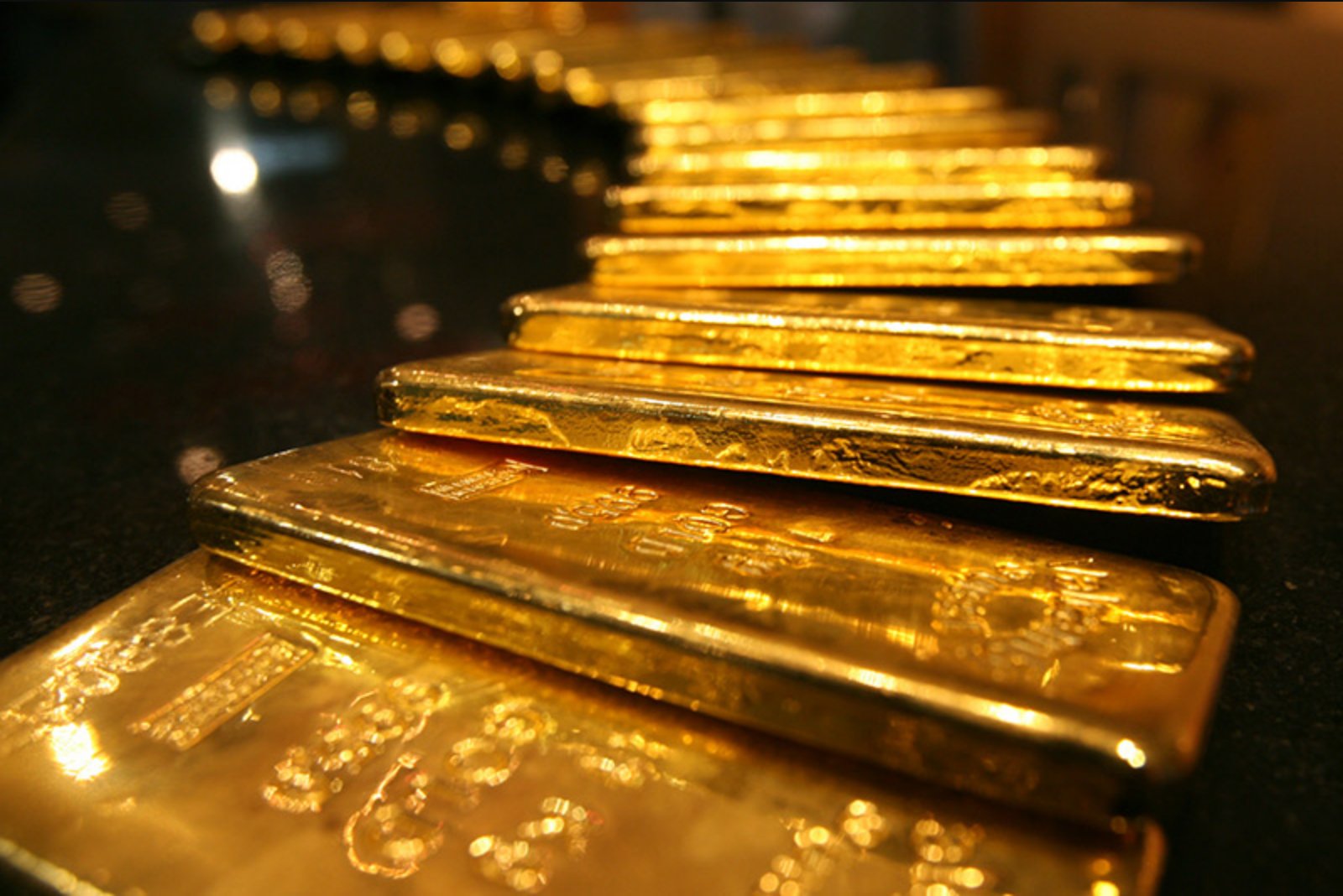
Gold prices eased on Tuesday, extending a volatile stretch for precious metals as investors and traders sought clarity after a dramatic sell-off last week. Attention has turned to a dense calendar of U.S. economic releases later in the week that market participants hope will provide fresh signals on the likely direction of interest rates.
Silver and platinum also moved lower on the day. The overnight decline in the U.S. dollar provided only limited support for the complex, and the dollar firmed again during Asian trading hours.
At 15:31 ET (20:31 GMT), spot gold was quoted down 0.6% at $5,029.57 an ounce, while April gold futures eased 0.5% to $5,053.61/oz. Spot silver fell 2.8% to $80.643/oz, and spot platinum was off 1% at $2,095.80/oz.
Volatility and positioning drive swings
Over the past week, prices for gold and other precious metals have experienced pronounced swings as profit-taking combined with crowded positioning to push values well off recent peaks. Market uncertainty over U.S. monetary policy - heightened by the prospect of a change in leadership at the Federal Reserve - has amplified those moves.
Safe-haven demand has also fluctuated amid a sequence of mixed developments in U.S.-Iran relations. While officials from both sides reported some progress in weekend discussions over Iran’s nuclear program, the U.S. issued a warning on Monday to U.S.-flagged vessels transiting the Strait of Hormuz, a factor that has complicated the outlook for metals that often respond to geopolitical risk.
Despite a partial rebound from the recent slide, prices remain materially below the peaks seen in late January. Market participants have appeared cautious about re-establishing large long positions at current levels.
Neil Welsh, head of metals at Britannia Global Markets, summarized the market mood: "Gold and silver fell after a two-day gain, as investors took profits in a choppy market that’s still trying to find clear direction following a historic rout. Traders are looking to U.S. data due this week for clues on the Federal Reserve’s policy direction."
Analysts point to structural factors and margin pressure
Analysts at Heraeus described the recent price behavior as a shift away from traditional safe-haven dynamics into a period of heightened volatility. They noted that the preceding rally - which for a supposed low-volatility asset was unusually strong - laid the groundwork for the correction.
Heraeus highlighted that "the seeds of the price decline were sown in the preceding rally that for a supposedly low-volatility safe-haven asset was exceptional." The firm added that gold had increased fivefold over the prior 10 years while the dollar index remained at similar levels to mid-decade, suggesting that the run-up in metal prices carried elements of overextension.
Heraeus also flagged the role of leveraged positions and margining in amplifying the move lower. With stop-losses triggered and exchanges continuing to raise margin requirements for futures, forced liquidations and higher financing demands have contributed to recent price pressure.
U.S. economic readings in focus
Market scrutiny this week centers on several U.S. data releases that could affect expectations for monetary policy. December retail sales were reported unchanged, below forecasts for a 0.4% increase, signaling a soft patch in consumer spending.
Chris Zaccarelli, chief investment officer at Northlight Asset Management, commented on the retail sales result: "Consumer spending has finally caught up with consumer sentiment, and not in a good way. For months consumer confidence numbers have been disappointing and consumers have been complaining about the cost of everything - and yet they kept spending - however, this month’s data show that consumers are no longer relentlessly increasing their level of spending."
Looking ahead, U.S. nonfarm payrolls for January are scheduled for release on Wednesday and the consumer price index is due Friday. Both readings are expected to influence views on the Fed’s rate path, since labor-market strength and inflation are primary considerations for monetary policy decisions.
Markets are also pricing in how monetary policy could evolve under Kevin Warsh, President Donald Trump’s nominee to succeed Jerome Powell when Powell’s term concludes in May. Warsh’s nomination has been perceived as less dovish, and that expectation contributed to sharp losses in metals markets during the recent sell-off. Gold has fallen from a near $5,600/oz record peak, while silver has dropped from levels above $120/oz.
Central bank demand remains an offsetting dynamic
Separately, Frank Holmes, CEO and CIO at U.S. Global Investors, emphasized that ongoing central bank purchases continue to support gold amid waning confidence in the dollar. Holmes pointed to actions by some countries to limit U.S. Treasury purchases, efforts to strengthen alternative currencies, and an increase in gold reserves as drivers of central-bank buying.
Holmes said that in 2025 and into 2026, that dynamic "has driven record or near-record central bank gold buying, resulting in foreign central banks’ gold holdings surpassing their U.S. Treasury holdings for the first time since 1996, marking a structural shift toward hard assets amid eroding confidence in dollar dominance." He concluded his view with a recommendation to "Buy the dips and HODL gold and quality gold stocks!"
Outlook and near-term catalysts
In the near term, markets are likely to remain sensitive to incoming U.S. economic data and developments related to Fed leadership, while geopolitical headlines and central-bank activity will continue to influence safe-haven demand and positioning. Elevated margin requirements and the potential for further unwinds of leveraged positions add an additional layer of market risk that may prolong the current period of high volatility in precious metals.
Given these intersecting factors, traders and participants across commodities, financial markets, and the banking sector will be watching data and policy signals closely for guidance on the next phase of price action.