
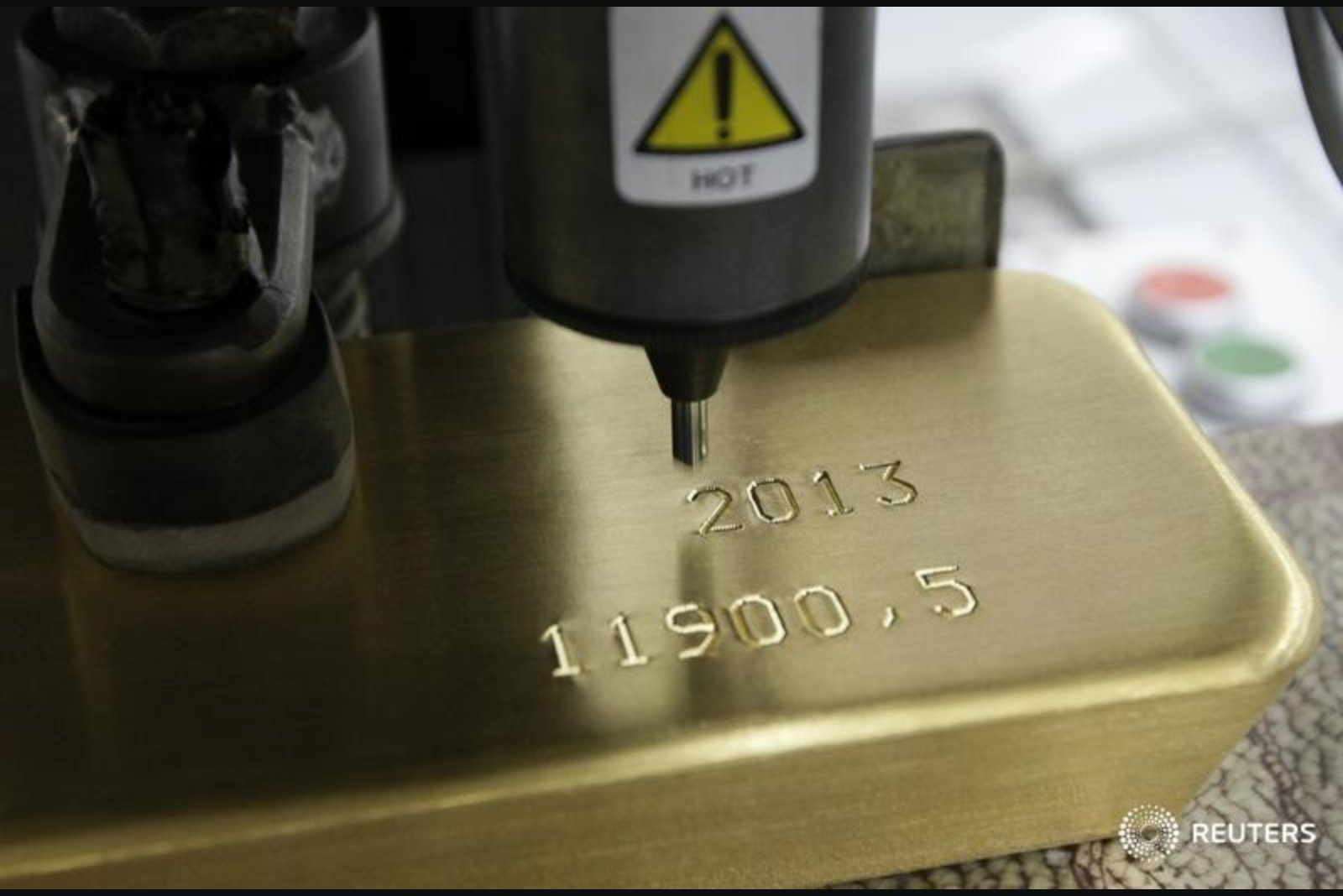
Gold gave back gains on Thursday and silver suffered a dramatic drop, reversing a short-lived recovery that had briefly boosted prices earlier this week.
At 14:41 ET (19:41 GMT), spot gold had declined 2.7% to $4,830.83 an ounce, while April gold futures were down 2% at $4,852.01 per ounce. Silver posted steeper losses: spot silver plunged 15.6% to $74.4235 an ounce and March silver futures fell 12.3% to $74.035 per ounce.
The decline in silver was the most pronounced move among precious metals on Thursday. Losses appeared to originate in Chinese markets, where a selloff in Shanghai silver futures spilled into spot trading. The moves erased much of Wednesday’s gains and pushed silver back toward the lows reached last week.
"Even as prices of precious metals are now less elevated following the correction, sensitivity to the USD, yield repricing, and uncertainty around Fed policy under new leadership remains high. While positioning has likely reset to some extent, confidence may not have fully restored, pointing to a potential period of choppier, two-way trading," Christopher Wong, FX strategist at OCBC, said in a mailed comment.
Wong also observed that the underlying drivers behind silver’s recent advance remain in place and that the metal stands to gain from its dual role as both a precious and an industrial metal.
Other metals moved lower as well. Spot platinum retreated 7.3% to $2,020.00 per ounce.
Dollar strength and data timing
Pressures on metal prices were compounded by a firmer U.S. dollar, which gathered bids as market participants positioned ahead of key U.S. nonfarm payrolls data. The payrolls release, originally scheduled for Friday, was pushed back to February 11 due to a partial U.S. government shutdown, officials said earlier in the week.
The greenback extended gains following the nomination of Kevin Warsh by U.S. President Donald Trump to be the next chair of the Federal Reserve. Warsh is viewed as the less dovish choice and could keep broader monetary settings relatively tight even as interest rates decline.
Central bank decisions elsewhere provided little relief for metals. The Bank of England and the European Central Bank both left interest rates unchanged earlier on Thursday, in line with expectations.
Context on gold’s recent trajectory
Gold posted an exceptional annual return last year, rising 67.5% - its best showing since 1978 - and continued to appear resilient into 2026 until a sudden downturn last Friday. That outsized performance was attributed to investor demand for a safe-haven asset amid trade tensions involving the U.S. president, expectations for interest rate cuts, supply constraints, and ongoing central bank purchases.
"Heading into 2026, the biggest drivers for gold and silver are falling interest rates, aggressive central bank buying, and a world that still feels economically and geopolitically uncertain. Major banks are already projecting prices well into the five-thousand-dollar range and beyond, largely because central banks continue to diversify reserves and investors are looking for stability," Max Baecker, president of American Hartford Gold, told Investing.com.
Baecker added that a weaker dollar and persistent global tensions have historically driven investors toward safe-haven assets, supporting record highs in precious metals. He further noted a practical consequence for consumers: elevated spot prices tend to push jewelry costs higher, making attention to purity and long-term value important for buyers. In such an environment, gold jewelry can function both as a luxury purchase and a tangible store of wealth, he said.
Market implications and immediate outlook
The dramatic reversal in silver and the retreat in broader precious metals underline the market’s sensitivity to currency moves, yield expectations, and policy uncertainty around new Fed leadership. While some of the factors that supported metals remain, the recent price action points to a period where two-way trading and heightened volatility could persist.
Investors and market participants will likely watch the rescheduled U.S. payrolls report and any further signals on Fed leadership and monetary policy for clues on whether the recent correction has run its course or if further downside remains.
Ambar Warrick and Peter Nurse contributed to this article.