
Overview
The U.S. military has upgraded the investigation into a February 28 strike that hit the Shajareh Tayyebeh girls' school in Iran after early findings indicated the likelihood that U.S. forces were involved. Iranian authorities say the attack killed 168 children. Authorities moved to a higher level of review following media reports that the investigation's initial findings were disclosed on March 5.
Decision to elevate the probe
U.S. Defense Secretary Pete Hegseth declined to discuss the preliminary results publicly, saying the department would not let early reporting dictate its response or pre-empt the investigative process. He announced that a senior U.S. general officer from outside U.S. Central Command - the component overseeing operations in the region - will lead the higher-level inquiry. Such appointments are typically intended to increase the independence of the review.
"The command investigation will take as long as necessary to address all the matters surrounding this incident," Hegseth said at a Pentagon news conference, underscoring the department's intent to conduct a thorough examination.
Nature of the administrative probe
Three U.S. officials described the next step as an administrative investigation under the military regulation commonly referred to as a 15-6. This form of inquiry can include sworn statements or interviews with involved personnel and, if warranted by its findings, can provide the basis for disciplinary action. Admiral Brad Cooper, who leads U.S. Central Command, ordered the 15-6 probe after an initial review was completed last week, and officials said the outside officer to lead the investigation was appointed on Thursday.
Officials spoke on the condition of anonymity to describe internal procedures. Those steps reflect heightened concern within the U.S. defense establishment about how to address potential U.S. responsibility for a strike with severe civilian consequences.
Preliminary findings and possible explanations
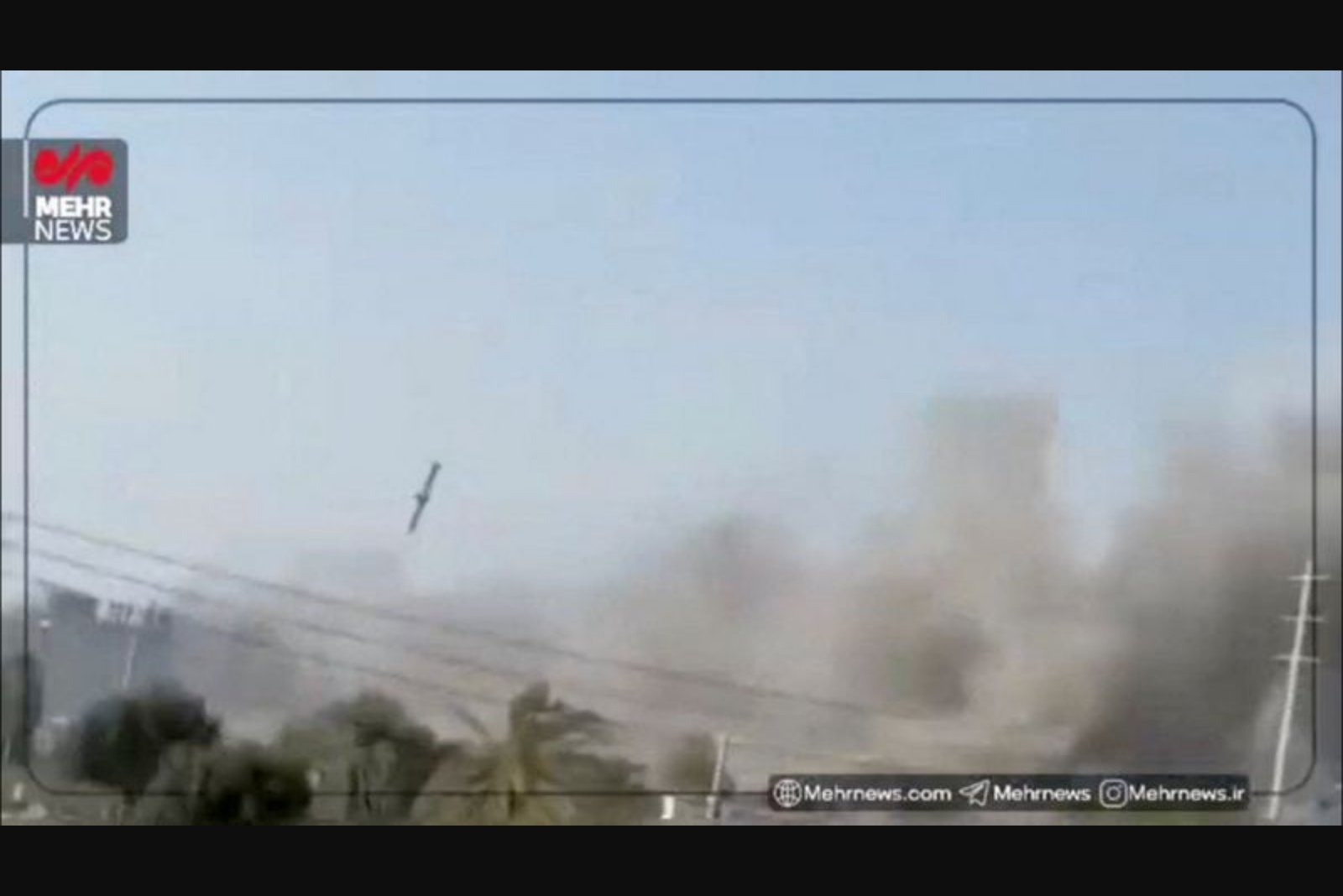
Initial indications from the early review suggest U.S. forces may have been working from outdated targeting data that did not distinguish the school from an adjacent Iranian military base in Minab, a town in southern Iran. Video and other evidence referenced in the inquiry point to the school being struck by a Tomahawk cruise missile, a high-powered, precision-guided munition that is possessed by only a small number of militaries.
The mechanics of how U.S. forces might have struck the school remain unclear. The elevated investigation is intended to determine precisely what occurred, whether incorrect or outdated data played a role, and how command and targeting processes performed in this case.
Political reaction and leadership comments
Public remarks by the U.S. president initially cast doubt on the possibility of American responsibility, raising concerns among some defense officials about whether the executive branch would accept investigation results that pointed to U.S. fault. The president at first suggested, without presenting evidence, that Iran could have been responsible and hinted that Tehran might possess Tomahawk missiles - an assertion military specialists regard as unlikely. Later, the president said he would "certainly" accept the results of the U.S. investigation, stating, "Whatever the report shows, I’m willing to live with that report."
One U.S. official said those comments indicated the president was moving toward acceptance of the preliminary findings, and that public discussion had made it politically harder to reject the investigation once it is finalized. The official added that ordering a 15-6 reflected the administration’s serious approach because the inquiry would comprehensively examine what went wrong and how to address identified issues.
The new supreme leader of Iran attributed the school strike in his first message to the country to the actions of Iran's enemies, though he did not single out the United States explicitly.
Evidence related to the school
A visual probe published on Thursday documented a public, multi-year online presence for the Shajareh Tayyebeh School, including numerous photographs of pupils and their activities. The school was identified as one of 59 institutions within the Persian Gulf Martyrs' Cultural Educational Institute, a network that archived website material connects to the Islamic Revolutionary Guard Corps, the force that reports to Iran's supreme leader.
Photographs on the school's site showed students in the yard, images that matched verified videos taken outside the building after the strike. Satellite imagery from mid-2015 indicated that the school building was separated by a wall from the adjacent military base and suggested it had functioned as a school at least since 2018, when painted murals first became visible on its outer walls.
What the elevated inquiry will address
The outside officer leading the 15-6 will be charged with establishing an independent factual record about target identification, data currency, the decision chain that authorized the strike, and the weapons employed. The investigation may include sworn testimony, document reviews, and technical analysis of targeting data and munitions signatures. If the probe substantiates U.S. responsibility and identifies individual or systemic failures, it can form the basis for disciplinary steps.
Context for the response
Advocacy groups and analysts see the move to a higher-level administrative review as an acknowledgment that serious questions remain about how the strike occurred and how to prevent similar incidents. One observer said the step signals a recognition that something went wrong and that the facts must be fully understood.
Next steps
The command investigation will proceed until it has addressed all matters related to the incident, officials said. Until the 15-6 is completed and its findings made public, key questions will remain about the precise circumstances that led to the school being struck and the extent to which outdated targeting or other failures contributed to the tragedy.
Key points
- The Pentagon has elevated the inquiry into the Feb. 28 strike on the Shajareh Tayyebeh School after preliminary findings suggested U.S. forces were likely responsible.
- An external general officer will lead a 15-6 administrative investigation, which can include sworn statements and may form the basis for disciplinary action.
- Preliminary evidence indicates outdated targeting data may have failed to distinguish the school from an adjacent military base; video and related material point to a Tomahawk cruise missile as the weapon involved.
Risks and uncertainties
- Uncertainty about the precise chain of events and whether outdated or incorrect targeting data caused the strike - a risk that affects military operations and defense oversight.
- Political uncertainty over acceptance of the investigation's findings at the highest levels of government - a risk with implications for U.S. foreign policy and defence credibility.
- Potential for disciplinary or institutional consequences depending on the 15-6 findings - an uncertainty that could affect personnel, procedures, and procurement in the defense sector.