
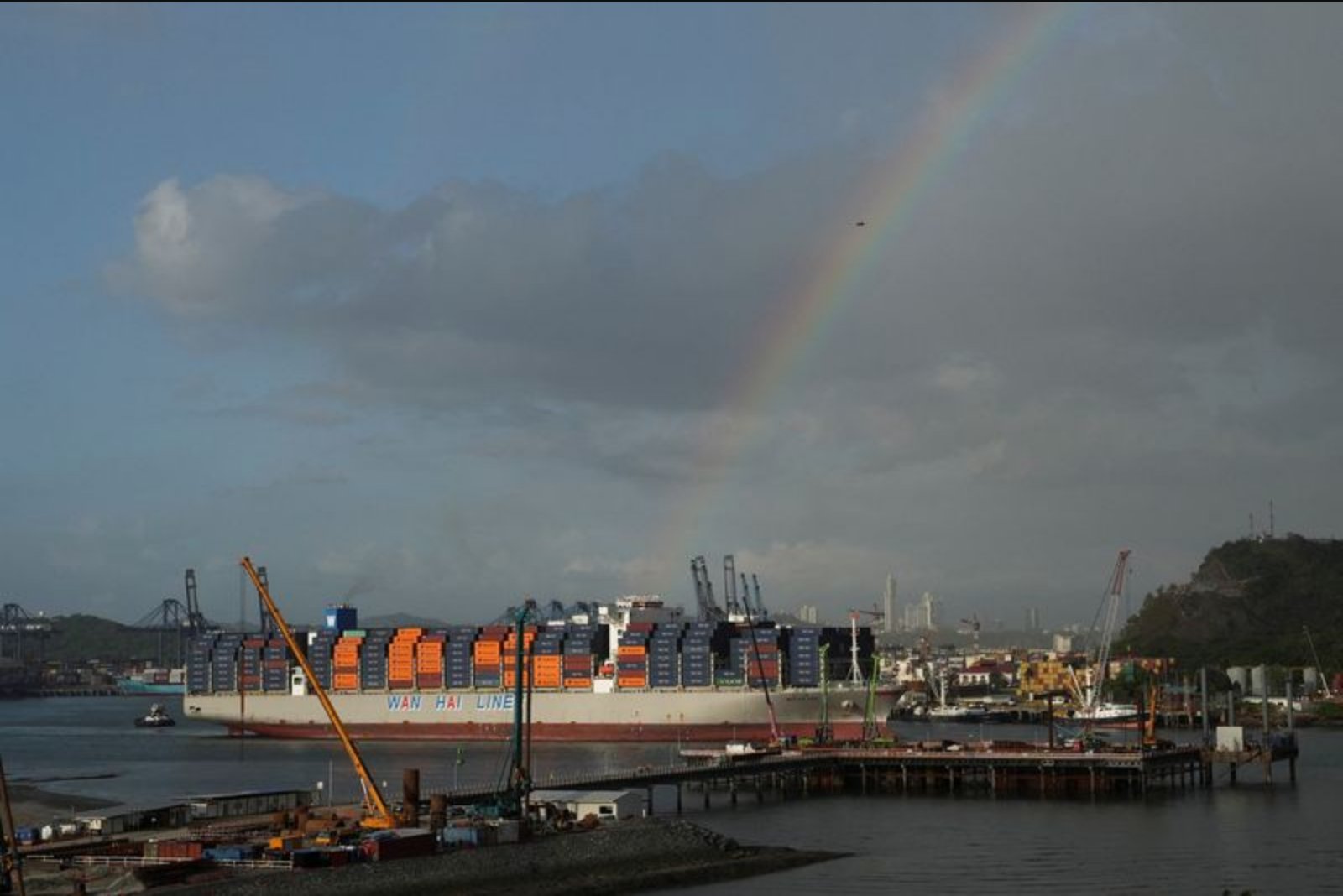
An analysis prepared by the Panama Canal Authority indicates a 2.8% rise in vessel transits during the first four months of its fiscal year through January. The increase amounted to 114 additional transits compared with the same period one year earlier, bringing the four-month total to 4,156 vessels.
The report attributed most of the uptick to higher movements of tankers transporting energy products - including liquefied natural gas (LNG) - as well as increased activity by car carriers and dry bulk vessels. Tanker transits stood out with an 11.2% increase, a figure the authority linked to growing shipments from the United States.
In its analysis the authority said demand for fuels and methanol rose in destinations such as South Korea, Mexico and Guatemala, a pattern it connected to recent trade agreements and tariff reductions. The report framed the overall growth as a signal that demand remained solid "despite increased global trade volatility, new tariffs, and geopolitical tensions."
Analysts cited in the report expect that passage of U.S. LNG through the Panama Canal will likely increase to reach Asian markets if disruptions persist at the Strait of Hormuz amid the U.S.-Iran conflict. The report noted that the conflict is already forcing vessel reroutes.
On operational performance the authority said: "The Panama Canal is operating in a stable and reliable manner despite geopolitical uncertainties, steadily increasing the number of daily transits and maintaining predictable service levels for our customers." It also said it is monitoring maritime trade but did not supply specific statistics following the emergence of the U.S.-Iran conflict.
Context for markets and sectors
- Shipping and maritime logistics: The rise in transits, especially among tankers and car carriers, points to continued demand for canal services across key cargo types.
- Energy and LNG markets: Increased tanker transits and anticipated higher flows of U.S. LNG to Asia, contingent on disruptions at the Strait of Hormuz, underscore the canal's role in energy supply chains.
- Autos and dry bulk: Growth in car carrier and dry bulk movements suggests resilient trade flows for vehicles and bulk commodities despite broader trade volatility.
This analysis reflects the authority's reported figures and statements and highlights ongoing uncertainties as geopolitical tensions and trade measures evolve.