
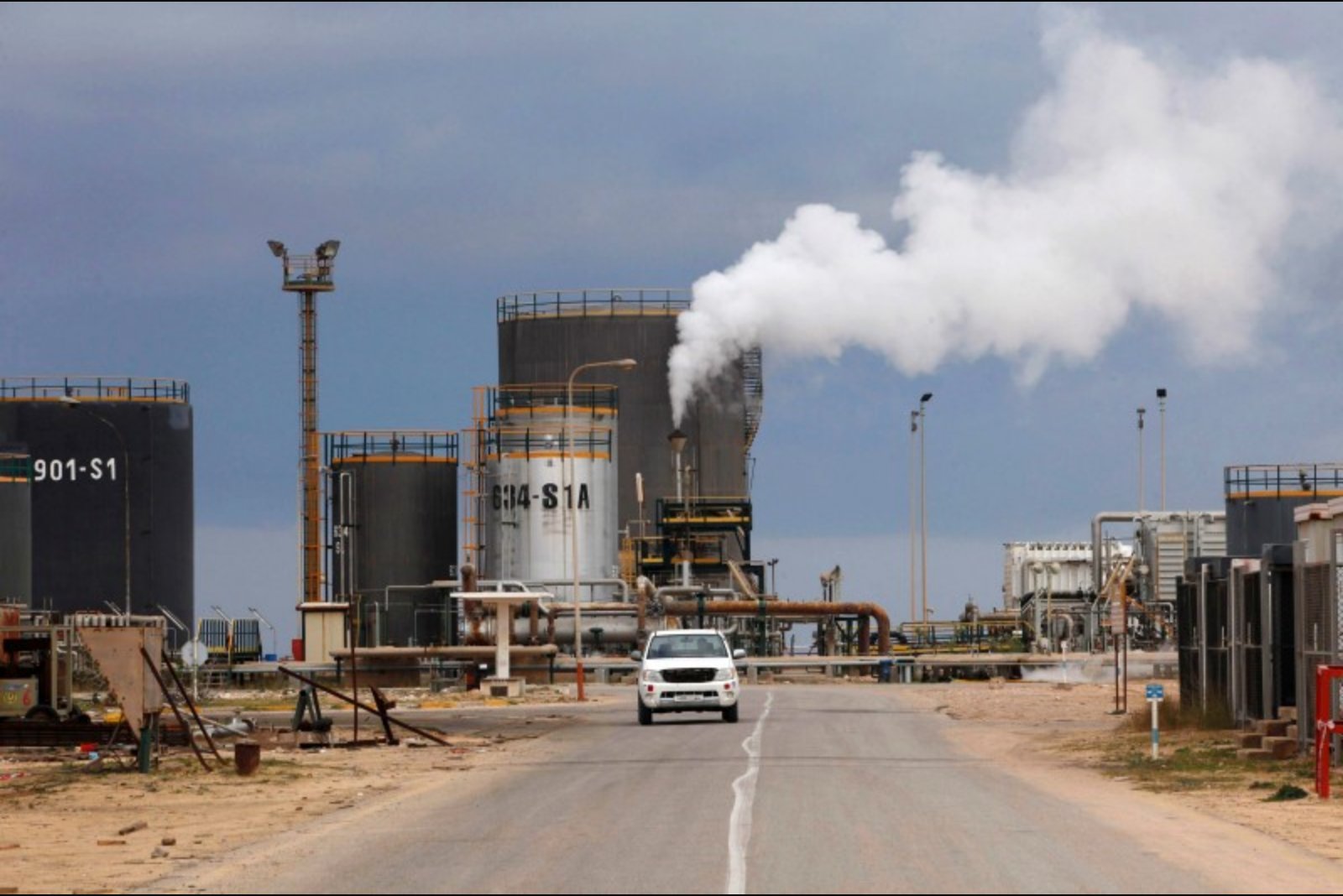
Crude oil has delivered some of the largest one-day intraday moves on record this week, with swings in excess of $30 per barrel. Prices peaked near $120 early on Monday - the highest level in four years - before sliding back below $100 later that same session, after comments from President Trump that suggested the prospect of a short-lived conflict with Iran, describing the war as "very complete".
Those volatile headline moves rippled through global markets. Wall Street closed higher on Monday, and on Tuesday Asian markets staged recoveries: South Korea’s KOSPI regained nearly 6% and Japan’s Nikkei climbed nearly 3%. U.S. Treasury yields fell and the dollar steadied against major currencies on Tuesday, with gold edging up amid the turbulence. U.S. stock futures were trading higher ahead of the opening bell, a sign of relative calm in futures trading despite the prior session’s dramatic swings.
The tentative respite in prices followed what many market participants have labelled the TACO trade - shorthand for "Trump always chickens out" - but the underlying geopolitical dynamics remain unsettled. Iran’s Islamic Revolutionary Guard Corps continued to assert that it would stop oil exports while U.S.-Israeli attacks persisted. In turn, the president used social media to warn of further retaliation if Iran disrupted oil shipments through the Strait of Hormuz. That exchange suggests a continued tit-for-tat dynamic rather than an immediate de-escalation.
Even with the back-and-forth, oil prices stayed above $90 per barrel - a level that would have been concerning only a short time ago. The higher energy price environment is already filtering into consumer expectations in the United States: a comfortable majority of Americans now expect fuel prices to worsen over the coming year, indicating a rise in consumer inflation concerns tied to energy costs.
At the policy level, G7 finance ministers discussed a possible coordinated release of strategic oil reserves as a means to steady markets, but they did not take action immediately. A G7 official characterized the decision as "just about timing," indicating that the option remains on the table but was not executed at the meeting.
Market attention is not focused solely on crude. China reported a robust acceleration in export growth for the first two months of the year, registering a 21.8% increase in U.S. dollar terms for January-February. That pace marked a sharp step-up from the 6.6% increase recorded in December and was well above the median forecast of 7.1% cited in market polls. The export surge supports Beijing’s newly announced growth target of just under 5% and positions the economy to top last year’s record $1.2 trillion trade surplus. Importantly, the data predate this month’s spike in energy and shipping costs tied to the conflict in the Middle East.
Corporate earnings calendars add another layer of focus for traders. Oracle is set to report after the bell, with investors watching for evidence that the company’s large-scale capital spending on AI data centers is translating into stronger financial returns. Domino’s Pizza is also scheduled to release results, making for a busy day on the corporate front.
Events to watch today
- U.S. existing home sales for February - 10:00 AM EST
- U.S. 3-year note auction
- U.S. corporate earnings: Oracle, Domino’s Pizza
This period of pronounced headline-driven moves underscores the sensitivity of multiple asset classes - equities, sovereign bonds, currencies and commodities - to geopolitically driven supply concerns. While some markets have retraced after the initial shock, the persistence of strong rhetoric and retaliatory statements suggests the episode could remain a volatile, headline-sensitive environment for traders and policy makers alike.