
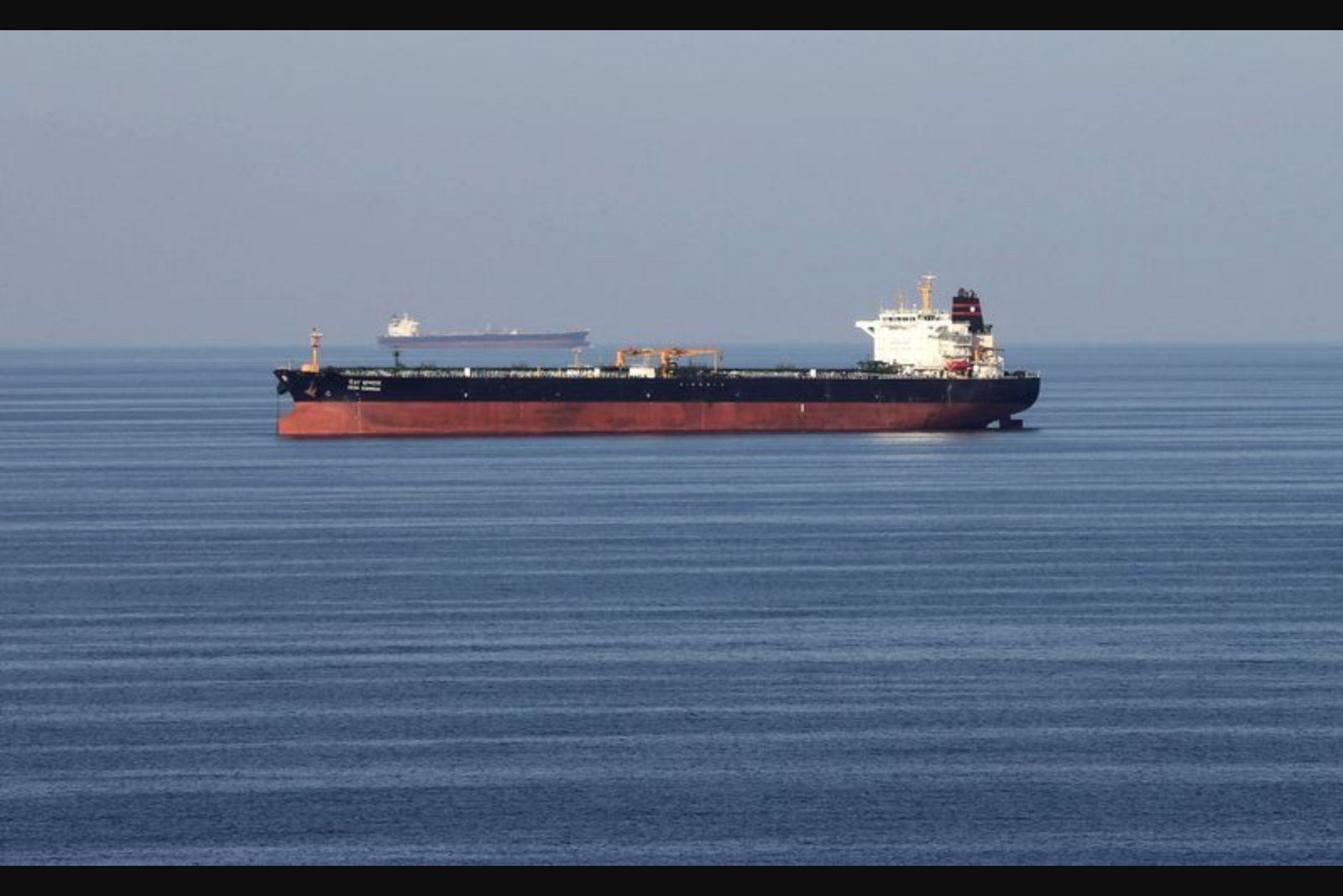
Brent crude futures jumped about 10% to roughly $80 a barrel over the counter on Sunday, according to oil traders, as military strikes on Iran by U.S. and Israeli forces pushed the Middle East into a new phase of conflict. Market participants and analysts said the immediate price impulse was reinforced by logistics disruptions in a crucial shipping lane.
"While the military attacks are themselves supportive for oil prices, the key factor here is the closing of the Strait of Hormuz," said Ajay Parmar, director of energy and refining at ICIS.
Trade sources reported that most tanker owners, oil majors and trading houses have halted shipments of crude oil, fuel and liquefied natural gas through the Strait of Hormuz after Tehran warned vessels against transiting the waterway. More than 20% of global oil passes through the Strait, amplifying concerns over supply availability if the channel remains inaccessible.
Analysts voiced the prospect of a much higher price level if disruptions continue. "We expect prices to open (after the weekend) much closer to $100 a barrel and perhaps exceed that level if we see a prolonged outage of the Strait," Mr. Parmar added, describing a pathway to substantially steeper prices should the disruption be sustained.
Regional commentary has echoed the same risk profile. Middle East leaders have warned Washington that a war on Iran could lead to oil prices jumping to more than $100 a barrel, said RBC analyst Helima Croft. Barclays analysts likewise projected that prices could reach $100.
Even with some potential rerouting through alternative infrastructure, the net supply loss would be significant, according to Rystad Energy. Rystad energy economist Jorge Leon estimated that, after diverting some flows via Saudi Arabia's East-West pipeline and an Abu Dhabi pipeline, the closure of the Strait would still amount to a loss of 8 million to 10 million barrels per day of crude oil supply.
On a price-impact basis, Rystad reckoned that prices could rise by $20 to about $92 a barrel when trade resumes, reflecting the large gap between available routes and the volume normally transiting the Strait.
Against this near-term shock, the OPEC+ group of oil producers agreed on Sunday to increase output by 206,000 barrels per day from April. That increment represents a modest rise, amounting to less than 0.2% of global demand, and was not presented as a solution to an acute shipping disruption.
The unfolding Iran crisis has also prompted Asian governments and refiners to review oil inventories and alternate shipping routes and supplies as they seek to shore up fuel availability in the near term. Traders, refiners and shipping operators are assessing how long suspensions will last and which logistical responses are viable.
With flows through one of the world's most important chokepoints suspended and only limited immediate offsets available, market participants are weighing the potential for extended price volatility and higher energy costs until shipping and supply routes stabilize.