
Oil prices remained largely steady in early trade on Tuesday, holding most of the previous session's sizable increase as traders grappled with uncertainty over the status of ceasefire negotiations between the United States and Iran and the possibility of the Strait of Hormuz reopening to international shipping.
At 0001 GMT, Brent crude futures edged up 6 cents, or 0.06%, to $95.04 a barrel, while U.S. West Texas Intermediate slipped 17 cents, or 0.18%, to $91.99 a barrel. Both benchmarks had climbed by more than 5% in the prior session before trimming some of those gains amid a flurry of competing statements.
U.S. President Donald Trump provided a series of comments on Monday about the trajectory of talks with Iran. In one interview he said he did not mind if the talks were over. Later, Trump posted on social media that negotiations were continuing and told ABC News that he expects a deal to extend the ceasefire and reopen the Strait of Hormuz "over the next week", according to a post by the outlet on X. At the same time, Tasnim news agency reported that Tehran had suspended indirect negotiations with Washington.
Those mixed signals contributed to a cautious market mood. "The market is currently focused on whether there’s any concrete progress or setbacks in U.S.-Iran negotiations, the tone and substance of statements from both sides (particularly Iran’s threats regarding the Strait of Hormuz), and actual physical tanker movements through the waterway," said Tim Waterer, chief market analyst at KCM Trade.
Waterer added that "The status of the U.S.-Iran negotiations at any given point will ultimately determine whether the current risk premium stays embedded in oil prices or starts to unwind."
Further complicating the picture on Monday, Lebanon announced a partial ceasefire between Hezbollah and Israel, a development described as a limited de-escalation in a conflict that has broader ties to the war with Iran. Market participants cited that continuing stream of headlines from the Middle East as a driver of oil volatility.
"With headlines continuing to fly out of the Middle East, oil prices are set to remain volatile until clearer evidence of progress towards a peace deal emerges," said Tony Sycamore, market analyst at IG.
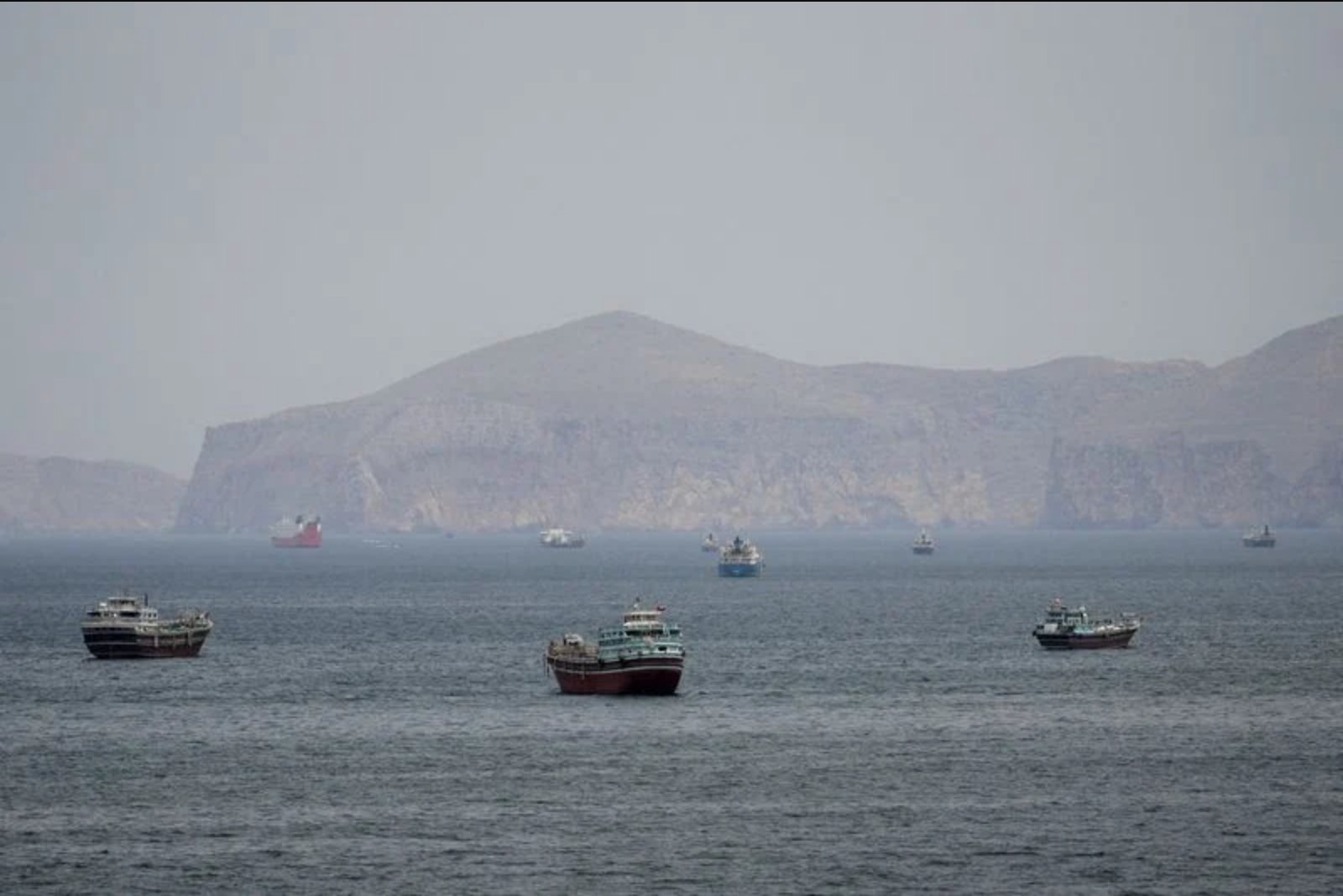
Beyond the diplomatic noise, disruptions to shipping have been a major factor underpinning the recent strength in crude. The article's reporting noted that Iran has effectively halted nearly all non-Iranian shipping into and out of the Gulf since the war began, cutting off roughly a fifth of global oil and liquefied natural gas flows and pushing prices higher by 50% or more.
That supply shock helped lift U.S. crude exports to a record high in May. Ship tracking estimates showed U.S. exports climbed to 5.6 million barrels per day in May as refineries in Asia and Europe sought alternative supplies amid the Middle East crisis.
On the inventory front, a preliminary poll released on Monday indicated U.S. crude stockpiles were expected to have fallen by about 3.6 million barrels in the week ended May 29, extending the draw reported in the prior week. Distillates and gasoline inventories were also likely to have declined, the poll suggested.
Shipping industry representatives meeting in Athens on Monday stressed that any peace agreement between the U.S. and Iran would need to include clear protocols permitting vessels to resume normal operations through the Strait of Hormuz. That procedural clarity, participants said, would be essential to restore typical tanker movements and alleviate the current risk premium embedded in oil prices.
Market participants and analysts indicated that the near-term path for oil prices will hinge on whether the diplomatic signals translate into concrete steps that reduce the risk to tanker traffic, and on the observable movements of vessels through the waterway.