
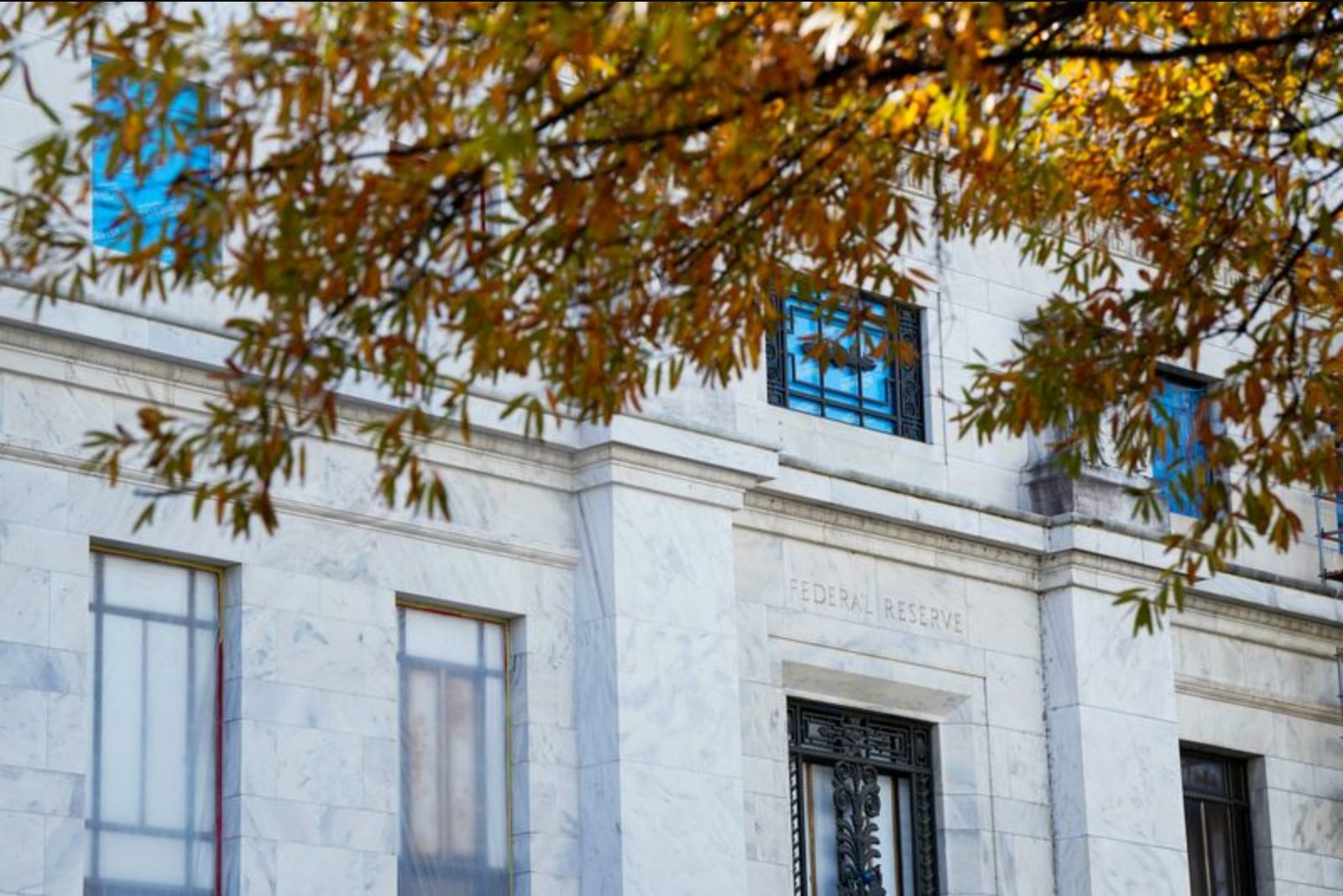
U.S. and global markets enter a pivotal session as traders and policymakers assess whether a sudden spike in energy prices will force the Federal Reserve to rethink its forecast for a single U.S. interest rate cut this year. The recent rise in oil prices has intensified an already fragile inflation backdrop, and Fed officials will be scrutinized for any signals that the energy shock meaningfully alters future policy expectations.
The producer price index for February, due today, will provide another data point on core inflation pressures that predate the Iran war. That release is expected to give the Fed additional insight into how underlying inflation trends are responding to recent commodity volatility.
Energy shock and market reaction
Oil climbed more than 3% on Tuesday following new Iranian attacks on Gulf states, although prices eased early Wednesday as exporters and traders sought alternative routes around the continued obstruction in the Strait of Hormuz. Measures being used to sustain flows include pipelines that bypass the strait - notably Saudi Arabia's East-West pipeline to the Red Sea - and the resumption of exports via Turkey's Ceyhan port after a deal was struck between the Iraqi government and Kurdish authorities.
The shift to alternate export channels underscores a belief among market participants that the conflict is unlikely to end quickly or that normal maritime flows will resume imminently. Brent crude has remained elevated above $100 per barrel, where it has settled for four consecutive sessions.
Violence across the region persists, with reports that Iran's security chief Ali Larijani was killed yesterday by an Israeli strike. The confrontation has continued to produce tit-for-tat actions across the Middle East, and the administration of former President Trump has seen its first high-profile resignation tied to the war.
Despite the escalation and elevated oil, global equities have shown some resilience amid a modest decline in short-term oil price volatility. U.S. stock indexes ended modestly higher on Tuesday, and Asian shares rallied on Wednesday. U.S. stock futures were positive in pre-market trading, indicating cautious optimism among investors.
Currency markets reflected a slight risk-on tilt, with the dollar easing after gaining early in the conflict. Even so, the greenback remains about 1.5% higher overall against a basket of major currencies since the war began.
Broader inflation and supply concerns
In addition to oil, worries about a possible global semiconductor shortage are adding to broader inflation anxieties. That concern is likely to recede as corporate earnings news returns to focus later in the session, notably when U.S. memory chipmaker Micron Technology reports results.
For central bankers, the immediate choice may be to hold rates steady, but commentary accompanying decisions could be more consequential. The Fed is widely expected to maintain its current policy stance today, yet officials' forward guidance will be parsed for indications of how the Iran war might reshape the U.S. economic outlook and the central bank's policy timetable.
Market participants will also be watching how potential changes at the Fed - including discussion about the next Fed chair and views on balance sheet reduction from nominee Kevin Warsh - could influence policy later this year. A strategy sometimes discussed to accelerate balance sheet runoff involves concentrating Treasury holdings in short-term bills that would naturally roll off as they mature. Observers note that a more bill-heavy maturity profile for Fed holdings is slowly emerging.
Other central bank activity and scheduled data
Beyond the Fed, several major central banks and data releases will shape markets today. The Bank of Canada will announce its interest rate decision, with Governor Tiff Macklem holding a news conference. The Bank of Japan is set to begin a two-day monetary policy meeting. Domestically, the U.S. calendar features the February producer price index (8:30 AM EDT) and January manufacturers' new orders (10:00 AM EDT), in addition to the Federal Reserve interest rate decision at 2:00 PM EDT followed by Chair Jerome Powell's news conference at 2:30 PM EDT.
Implications for sectors and investors
Energy markets remain the principal channel through which the geopolitical shock could feed into inflation and broader economic activity. Higher oil prices typically influence transportation and manufacturing costs and can weigh on consumer purchasing power. Technology and industrial sectors may also feel the impact through supply-chain pressures and changed input costs, while the financial sector will closely monitor central bank signals around the timing of rate cuts and balance sheet normalization.
Short-term market dynamics have shown that even with elevated oil, modest declines in volatility can support equity gains. But the persistence of high crude prices and continued regional hostilities leave the economic outlook and Fed policy path contingent on how inflation readings and central bank communications evolve over coming weeks.
Events to watch today
- U.S. Federal Reserve interest rate decision (2:00 PM EDT); Chair Jerome Powell holds a news conference (2:30 PM EDT)
- U.S. February PPI (8:30 AM EDT) and January manufacturers' new orders (10:00 AM EDT)
- Bank of Canada interest rate decision; Governor Tiff Macklem holds a news conference
- Bank of Japan begins its two-day monetary policy meeting
- U.S. corporate earnings - Micron Technology reports
Investors seeking to gauge whether the Fed will revise its expectation for one rate cut this year will be looking closely at both the data and the tone of central bank commentary. For now, markets are navigating a complex set of cross-currents: elevated crude prices, shifting export routes around the Strait of Hormuz, and the prospect of evolving U.S. monetary policy if inflation proves more persistent than officials currently forecast.