
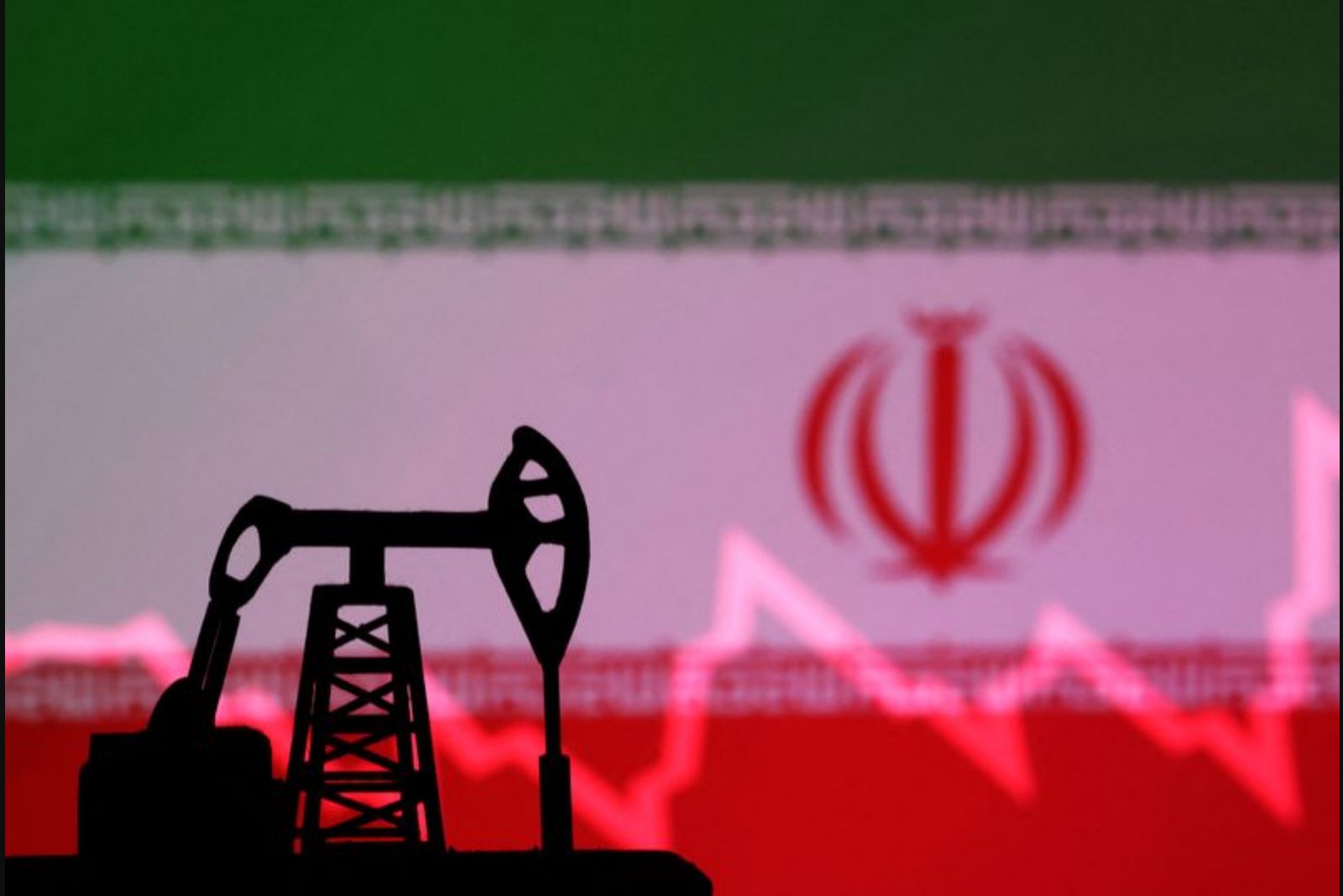
Oil prices slipped in early Asian trade on Thursday following a notable one-day advance as market participants parsed recent developments between the United States and Iran and monitored military activity in a key oil-producing region.
By 0110 GMT, Brent futures had eased by 12 cents, or 0.2%, to $70.23 a barrel. U.S. West Texas Intermediate (WTI) crude was down 8 cents, or 0.1%, trading at $65.11 a barrel. Those softening moves came after both benchmarks logged gains of more than 4% on Wednesday, reaching their strongest settlements since January 30 as traders priced in the risk of supply disruption amid heightened concerns about U.S.-Iran hostilities.
Market voices described the prevailing posture as cautious. "Tensions between Washington and Tehran remain high, but the prevailing view is that full-scale armed conflict is unlikely, prompting a wait-and-see approach," said Hiroyuki Kikukawa, chief strategist of Nissan Securities Investment. He added that U.S. President Donald Trump did not want a sharp rise in crude prices and that any military action, if it occurred, would likely be limited to short-term air strikes.
Diplomatic activity provided mixed signals. The White House said some progress was made in talks with Iran in Geneva this week but that significant gaps remained on certain issues. Officials expected Tehran to return with more detailed positions in a couple of weeks.
At the same time, military movements and notices of planned maneuvers continued to unfold. Iran issued a notice to airmen (NOTAM) indicating planned rocket launches across southern areas on Thursday from 0330 GMT to 1330 GMT, according to information posted on the U.S. Federal Aviation Administration website.
U.S. naval forces have also moved into the vicinity of Iran, and U.S. Vice President JD Vance said Washington was weighing whether to continue diplomatic engagement with Tehran or to pursue "another option." Satellite imagery, cited by analysts, showed Iran had recently placed a concrete shield over a new facility at a sensitive military site and covered it with soil, work that observers said advanced a location reportedly struck in 2024.
Meanwhile, a separate diplomatic track underscored persistent global instability. Two days of talks in Geneva between Ukraine and Russia ended without a breakthrough, with Ukrainian President Volodymyr Zelenskiy accusing Moscow of stalling U.S.-mediated efforts to end the four-year conflict. That diplomatic impasse added to the broader risk backdrop influencing commodity markets.
On the supply-data front, market participants noted that U.S. crude, gasoline and distillate inventories fell last week, according to market sources citing American Petroleum Institute figures released on Wednesday. Those reported draws ran counter to a Reuters poll projection that had forecast a 2.1 million-barrel rise in crude stocks for the week ended February 13. Official inventory numbers from the U.S. Energy Information Administration were scheduled for release on Thursday.
Traders and logistics operators continue to balance near-term supply concerns against signals that the most extreme escalation is not expected, producing a cautious trading environment. That balance is reflected in the modest price retracement following a large single-session gain, as market participants await further diplomatic clarity and official inventory data that could influence short-term supply assessments.
Key points
- Brent fell to $70.23/b and WTI to $65.11/b in early Asian trade after a prior-day rally of more than 4%.
- Investors are weighing limited diplomatic progress in Geneva with stepped-up military activity around Iran, including planned rocket launches and U.S. naval deployments.
- U.S. API-sourced data showed draws in crude, gasoline and distillate stocks, against market expectations of a crude build; EIA official figures were due later on Thursday.
Risks and uncertainties
- Escalation between Washington and Tehran - military movements and planned Iranian rocket launches create potential for disruptions impacting oil shipping and regional supply.
- Data uncertainty around U.S. inventories - API-reported draws contrasted with poll expectations, and official EIA figures could alter market balance assessments.
- Geopolitical spillovers - stalled diplomatic talks in other conflict zones contribute to a risk-on/risk-off dynamic that can affect demand expectations and freight flows.