
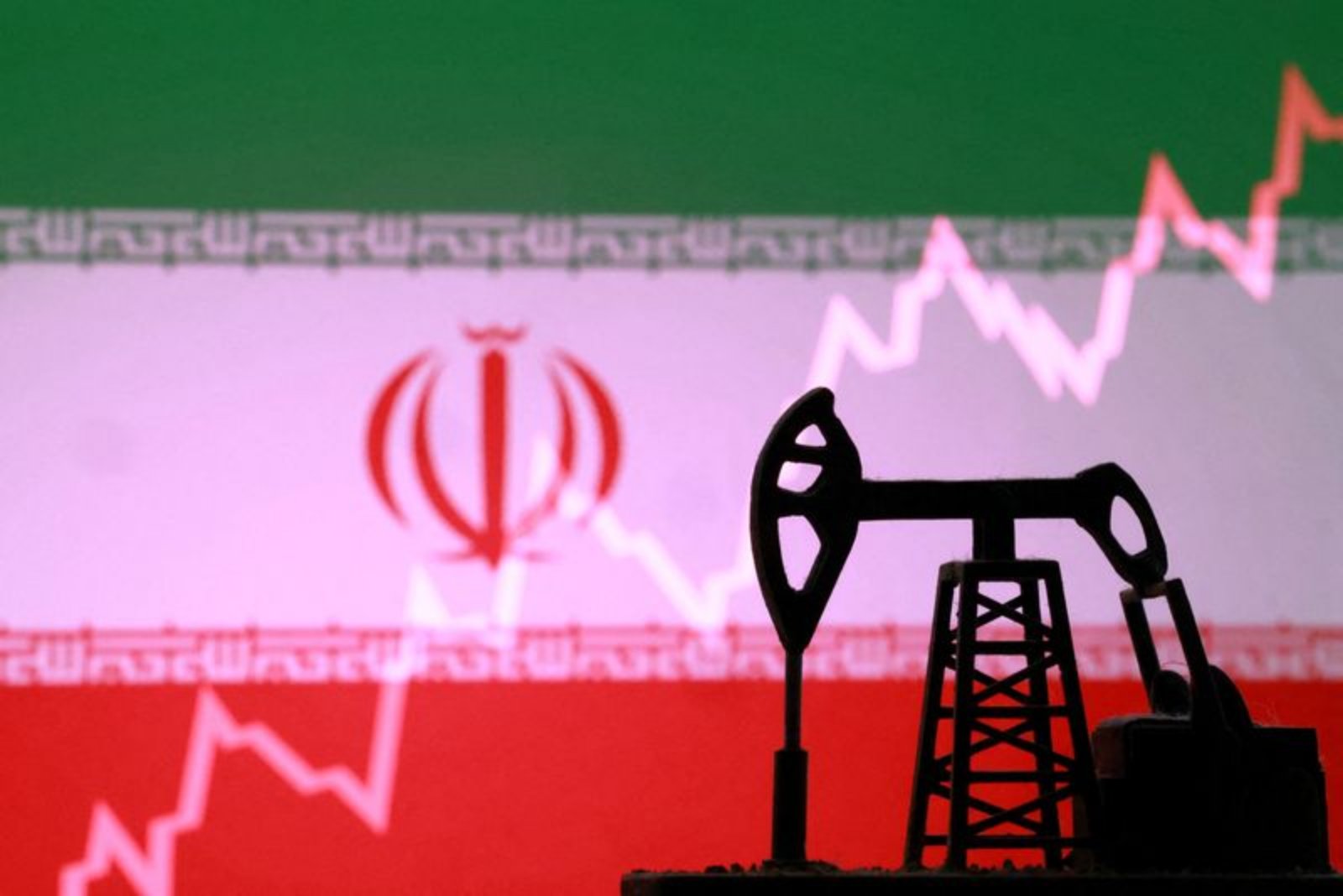
Market moves
Oil prices declined on the session, marking the first drop after a five-day climb, as the U.S. government weighed measures that could include unusual action in financial markets to counter rapidly rising energy costs. Brent crude futures were down $1.14, or 1.33%, at $84.27 per barrel, and West Texas Intermediate fell $1.46, or 1.8%, to $79.55 as of 0251 GMT.
Policy response and supply easing
U.S. officials have moved on two fronts to address the recent uptick in prices. A senior White House official said the U.S. Treasury Department is expected to announce actions intended to combat rising energy prices stemming from the conflict with Iran, including potential measures involving the oil futures market, though the official did not provide details.
Separately, to alleviate strains in physical supply that have prompted refiners - particularly in Asia - to curb fuel processing, the Treasury granted waivers enabling companies to purchase sanctioned Russian crude that is stored on tankers. Sources indicated the first waivers were issued to Indian refiners, which responded by acquiring millions of barrels of prompt Russian crude cargoes, reversing prior pressure on them to stop such purchases.
Context of the supply shock
The recent disruption to seaborne oil movement follows the start of a military conflict on February 28 involving the U.S. and its ally Israel on one side and Iran on the other. The confrontation has effectively halted tanker traffic through the Strait of Hormuz - a chokepoint that normally carries roughly one-fifth of the world’s daily oil supply - and has led to refinery shutdowns, lost oil output and closures of liquefied natural gas plants in the Middle East energy-producing region.
Since the conflict began, oil has staged a sharp advance: in the four trading sessions before today’s pullback, Brent rose 18% and WTI gained 21%.
Market perspective
Analysts have cautioned that the recent price surge, while significant, remains muted compared with some past shocks. IG analyst Tony Sycomore noted: "While panic around surging oil prices appears to be spreading beyond market circles, it’s important to put this move into perspective: despite crude’s almost 20% surge this month, the price is currently just $3.40 above its average over the last four years."
Implications for physical and financial markets
The combination of potential futures-market intervention and waivers for buying Russian crude represents a two-pronged effort to blunt both the financial and physical drivers of the recent price spike. The futures-market step, if implemented, would be an uncommon attempt to influence energy prices through financial-market channels rather than by altering physical oil supplies. The waivers target immediate supply constraints facing refiners that have been reducing processing amid disruptions to Middle East oil flows.
Information in this article is limited to statements and data released publicly by officials and market prices as noted above. Where details were not provided by officials, those limitations are reflected here.