
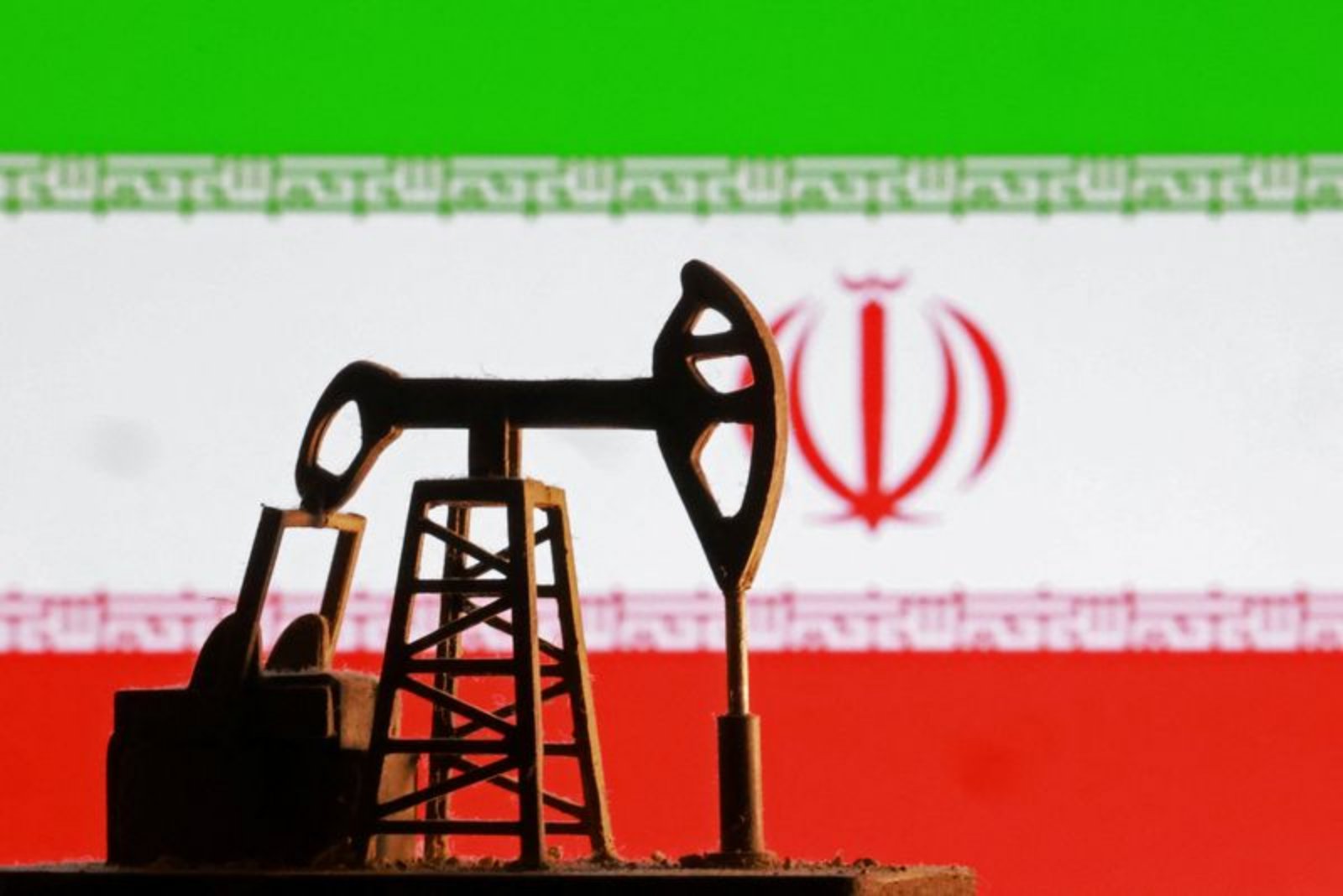
Oil markets experienced a sharp uptick on Monday as renewed military activity between Iran and Israel disrupted maritime traffic and inflicted damage on tankers operating off the Gulf coast. The move higher pushed benchmarks to their strongest levels in months.
Brent crude futures reached an intraday peak of $82.37 a barrel and were trading at $79.34, up $6.47 or 8.88% by 2305 GMT. U.S. West Texas Intermediate (WTI) crude climbed $5.36, or 8%, to $72.38 a barrel after earlier touching $75.33.
The price reaction followed a fresh wave of strikes that Israel launched on Tehran on Sunday, to which Iran replied with further missile barrages. Those exchanges came a day after the killing of Supreme Leader Ali Khamenei, an event the article reports has increased uncertainty across the Middle East and for the global economy.
Shipping activity was directly affected. At least three tankers were reported damaged off the Gulf coast and one seafarer was killed, incidents described as Iranian retaliation for U.S. and Israeli strikes on Iran that exposed commercial vessels to collateral damage, according to shipping sources and officials cited on Sunday.
The incidents in the Gulf and the missile strikes tied to Tehran contributed to heightened market sensitivity. The combination of damaged vessels, an identified seafarer fatality, and interruptions to shipments from a key producing region translated into a rapid reassessment of near-term supply risks by market participants, reflected in the sharp price moves in both Brent and WTI.
Market moves were concentrated within a short time frame on Monday, with both major benchmarks registering gains in excess of 8% as traders adjusted positions in light of both the physical disruption to shipping and the broader security shock to the region and global economic outlook.
Context and market reaction
- Direct damage to tankers off the Gulf coast and reports of a seafarer fatality increased concern about the safety of maritime oil shipments.
- Renewed military exchanges between Iran and Israel - including strikes on Tehran and subsequent missile barrages - were reported on Sunday and cited as the proximate drivers of the market move.
- Brent and WTI both registered sharp intraday gains, with Brent peaking at $82.37 and WTI earlier touching $75.33 before settling lower but still significantly higher by 2305 GMT.
Given the facts reported, market participants and supply-chain stakeholders are likely to monitor further developments in the region closely as they can have immediate implications for shipping safety, cargo routing, and short-term oil availability.