
March 10 - Oil markets reversed course on Tuesday, with crude futures tumbling more than 6% after a sharp rally the previous session pushed prices to multi-year highs. The decline came as remarks from U.S. President Donald Trump and reported diplomatic engagement eased immediate fears of an extended disruption to global oil supplies.
At 0018 GMT, Brent futures were down $6.51, or 6.6%, at $92.45 a barrel. U.S. West Texas Intermediate (WTI) crude fell $6.12, or 6.5%, to $88.65.
Prices had surged on Monday, briefly topping $100 a barrel and reaching session highs of $119.50 for Brent and $119.48 for WTI - their highest levels since mid-2022 - as cuts in production by Saudi Arabia and other producers amid an expanding U.S.-Israeli war with Iran raised concerns over sizable supply disruptions.
Market pressure eased after a reported telephone conversation in which Russian President Vladimir Putin shared proposals with President Trump aimed at a rapid settlement to the conflict in Iran, according to a Kremlin aide. The reports of that outreach contributed to the pullback in prices by calming some of the immediate worry about a prolonged disruption to flows.
In a CBS News interview on Monday, Trump said he believed the war against Iran "is very complete" and that U.S. forces were "very far ahead" of his original four- to five-week estimate for the operation. Those comments preceded market moves that suggested traders were reassessing the likelihood of a long-term interruption to supply.
Iran’s Islamic Revolutionary Guard Corps (IRGC) responded to the U.S. remarks by saying it would "determine the end of the war" and warning that Tehran would not allow "one litre of oil" to be exported from the region if U.S. and Israeli attacks continued, state media reported citing the IRGC’s spokesperson. Despite that rhetoric, prices did not move higher on the statements.
Prices were also pressured by reports that Trump is considering options including easing oil sanctions on Russia and releasing emergency crude stockpiles as part of a package intended to rein in surging global oil prices amid the conflict with Iran, according to multiple sources. Those policy considerations appeared to add to downward pressure on futures.
Market analysts flagged continued volatility ahead. Tony Sycamore, an IG market analyst, said in a note: "Taking the events of the past 24 hours into account, I expect crude oil to remain highly volatile, trading within a wide range between $75ish and $105ish in the sessions ahead."
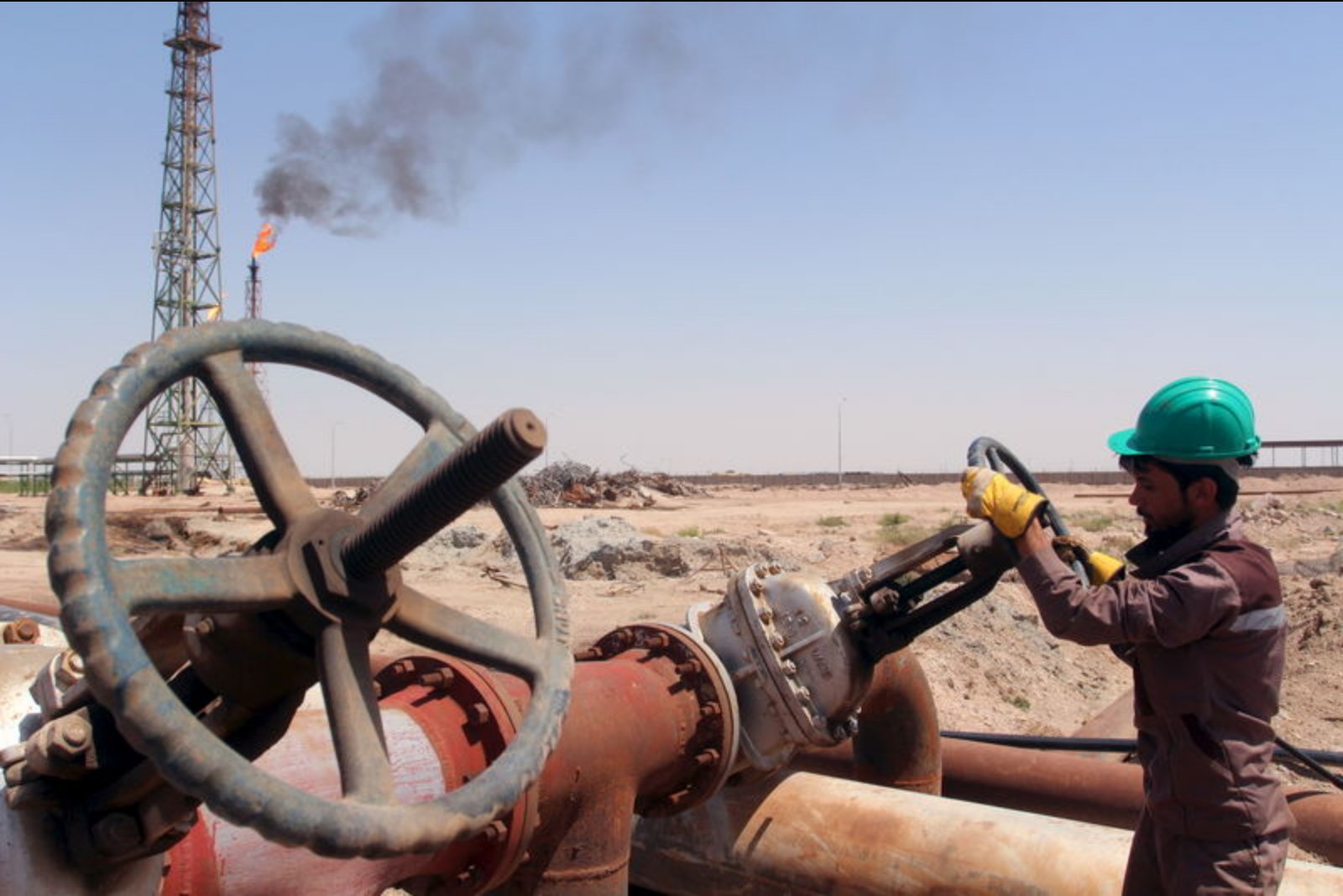
Despite the price pullback, supply-side disruptions have already intensified. Gulf producers have started curtailing output as the U.S.-Israeli war on Iran has disrupted shipping in the region. Over the weekend, Iraq cut production at its main southern oilfields by 70% to 1.3 million barrels per day, while Kuwait Petroleum Corporation also began reducing output and declared force majeure. Sources said on Monday that Saudi Arabia has now begun trimming production as well.
G7 nations said on Monday they were prepared to take "necessary measures" in response to rising global oil prices, but stopped short of committing to the release of emergency reserves. That stance leaves open a range of policy responses while markets continue to price uncertainty about the course of the conflict and the adequacy of global supplies.
Summary
Oil futures fell more than 6% after U.S. presidential remarks and reported diplomatic engagement reduced near-term fears of prolonged supply disruption. The pullback followed a sharp rally that pushed Brent and WTI to session highs near $119. Gulf producers have cut output and shipping disruptions persist, keeping markets on edge.
Key points
- Brent fell $6.51 (6.6%) to $92.45 a barrel and WTI fell $6.12 (6.5%) to $88.65 at 0018 GMT.
- Monday’s session saw Brent and WTI hit highs of $119.50 and $119.48 respectively, driven by supply cuts and concerns tied to the U.S.-Israeli war with Iran.
- Output cuts and shipping disruptions in the Gulf are already affecting supply: Iraq cut production by 70% to 1.3 million bpd, Kuwait declared force majeure and Saudi Arabia has begun trimming production.
Risks and uncertainties
- Threats from the IRGC to block oil exports could exacerbate supply disruptions if hostilities continue - affecting the energy and shipping sectors.
- Policy moves such as potential easing of sanctions on Russia or releases from emergency stockpiles could alter market balances and add volatility - impacting oil markets and broader financial markets.
- Ongoing production cuts by Gulf producers and disrupted shipping maintain downside risk for supply resilience and contribute to price volatility - relevant to energy producers, refiners and global trade.