
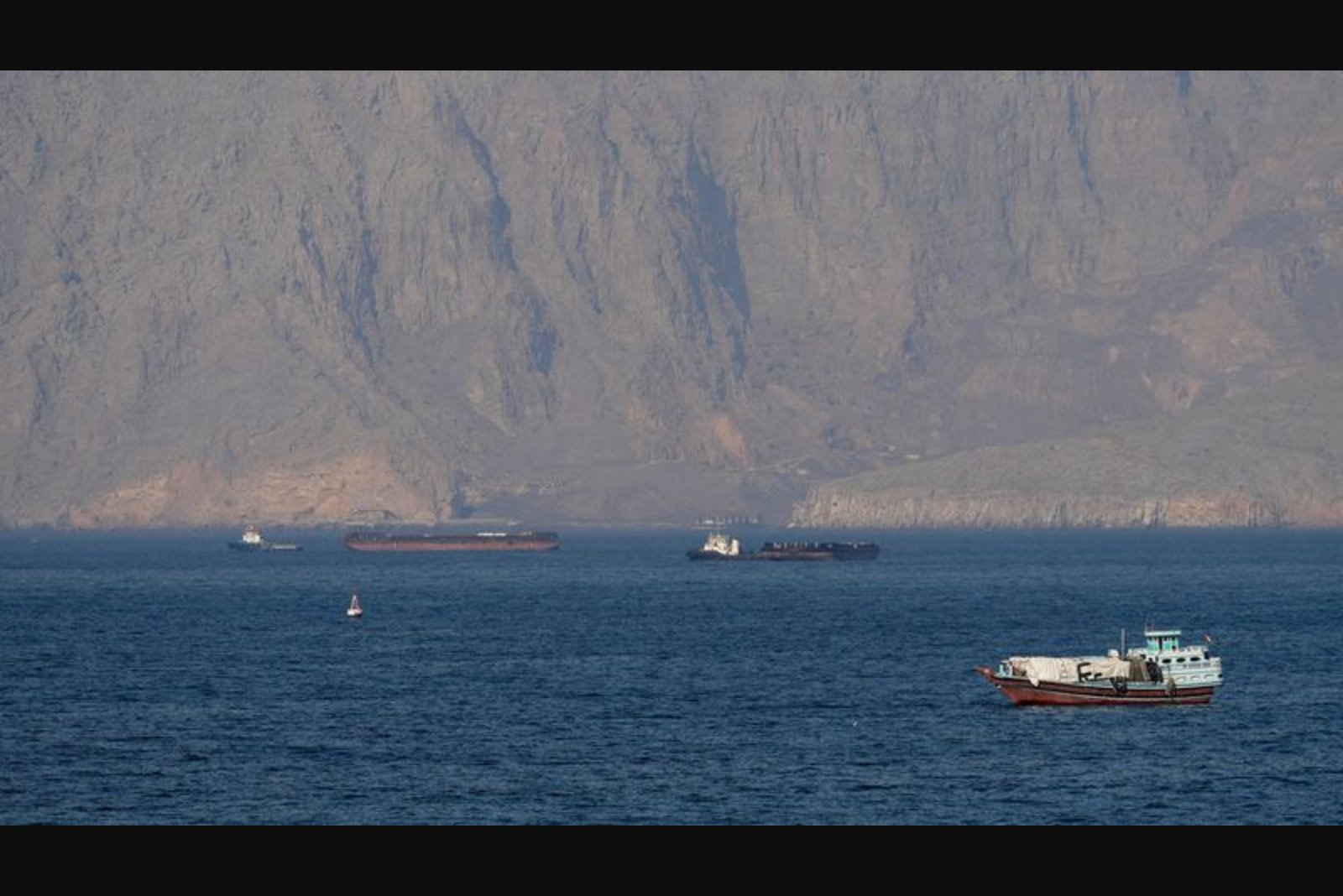
Oil markets have shown unexpected resilience in the weeks following a major supply shock from the Middle East. Physical crude briefly exceeded $160 per barrel last month amid concerns the U.S.-Iran conflict and a largely closed Strait of Hormuz would trigger a severe squeeze. Five weeks on, with the strait still largely shut and diplomatic talks stalled, oil prices have eased to roughly $100 to $110 per barrel.
The retreat in prices reflects several concurrent dynamics in global oil markets. Chinese refiners have sharply reduced their processing runs and leaned on stored crude, while U.S. producers, traders and government releases have increased flows of crude and refined products to international buyers. Those adjustments have helped offset the loss of cargoes from major Middle Eastern suppliers.
Supply disruption versus demand response
Before the conflict, roughly 20% of global energy supplies transited the Strait of Hormuz. The war has removed about 14 million barrels per day from the market - equal to 14% of global supply - from exporters including Saudi Arabia, Iraq, the United Arab Emirates and Kuwait. Such a reduction, by scale, represents one of the largest disruptions to supply in modern times.
Despite that, the market reaction has been muted relative to expectations. Saxo Bank analyst Ole Hansen commented that prices remaining relatively subdued suggests demand destruction has been stronger and more widespread than anticipated. In other words, higher prices themselves are prompting consumers and businesses to curb usage, offsetting some of the upward pressure on crude.
Shifts in benchmark and regional premiums
Middle Eastern grades such as Oman, Dubai and Murban are trading at roughly a $9 per barrel premium to the Dubai benchmark this week. That is a substantial decline from record premiums of more than $65 per barrel in March and translated to outright prices near $104 per barrel, down from nearly $170 in late March.
U.S. regional markers have also softened. Permian-quality crude at the Magellan East Houston terminal fell to a $1.20-a-barrel premium to U.S. crude futures on May 15, reverting to levels seen before the conflict. The U.S. offshore Mars Sour grade traded at about a $4-a-barrel premium, down from a six-year high of $17.50 on April 1. Atlantic basin grades are feeling added pressure from growing U.S. shipments to Europe: North Sea Forties traded at a slight discount to dated Brent on May 12, in contrast to an April peak premium of $21.50.
By comparison, physical crude benchmarks such as Dubai and Dated Brent were near $70 per barrel prior to the war beginning on February 28.
China’s reaction: cut runs, resell cargoes, draw from stocks
Chinese refiners have been among the most significant influences on the evolving market balance. Analysts at Morgan Stanley described the scale of China’s reaction as remarkable. Refinery throughput in China fell by almost one fifth from pre-war levels to roughly 8.4 million barrels per day, a reduction achieved through bringing forward scheduled maintenance and cutting fuel runs.
China’s net seaborne crude imports declined by 5.5 million barrels per day - equivalent to 5.5% of global demand - compared with year-ago levels, reaching 8.5 million bpd in the 30 days to May 8, according to the bank’s figures. Refiners in China even resold cargoes originally purchased under long-term contracts to refiners in other countries. Such resales are rare, but weak domestic fuel demand and elevated crude prices made them commercially viable.
Across Asia, which accounts for about 37% of global refining output, oil imports hit a 10-year low in April as refiners processed more of the cheaper stocks they had accumulated before the prices surged. Data from Energy Aspects indicate Asian crude processing will fall 5.6% to 28.7 million bpd in May from March levels.
Inventories and record stock draws
Refiners worldwide have responded to elevated spot prices by running crude from inventories acquired at lower costs, rather than buying at current high levels. That behavior has driven a rapid decline in global stocks. The International Energy Agency reported that global oil inventories fell by a record 246 million barrels across March and April combined, leaving total stocks at about 7.952 billion barrels.
OECD Asia and Oceania crude stocks fell about 12% to 451 million barrels in May relative to pre-war levels in February, according to Energy Aspects. Energy Aspects analyst George Dix warned that while market participants are reluctant to pay for the next expensive barrel, inventories will not last indefinitely.
United States steps up supplies
U.S. producers and traders have significantly increased exports to help address the shortfall. The U.S. government has also moved 133 million barrels out of the Strategic Petroleum Reserve. According to the Energy Information Administration, U.S. exports of crude and fuel climbed to about 13 million bpd in the first two weeks of May, up from 11.2 million bpd in March.
Data from Kpler show exports from the SPR at roughly 308,000 bpd in April and about 281,000 bpd so far in May. Analysts caution that sustained lower prices may prove temporary if the Strait of Hormuz remains closed. If shipments from the region do not resume within a couple of months, inventories could be drawn down to minimum levels.
Outlook and market positioning
Market participants and analysts emphasise the temporary nature of the current price moderation if the supply bottleneck persists. BNP Paribas analyst Aldo Spanjer noted that refiners will eventually need to resume purchases to keep fuel markets supplied, a shift that would push prices higher again. Adi Imsirovic, a non-resident senior associate at the Center for Strategic and International Studies and a veteran oil trader, observed that the market has demonstrated notable resilience by drawing on inventories while awaiting a breakthrough on the opening of the Strait of Hormuz.
For now, the interplay of reduced demand, strategic releases and redirected exports has arrested the immediate price surge that many had expected. But the ongoing closure of a critical trade chokepoint and the scale of lost production remain central uncertainties for future market direction.
Summary
Oil prices have retreated from peaks above $160 per barrel to about $100-$110 despite a major disruption that removed roughly 14 million bpd from the market. The pullback reflects a combination of Chinese refiners cutting runs and tapping inventories, increased U.S. crude and fuel exports, and Strategic Petroleum Reserve sales. Global inventories have fallen sharply, underscoring both the current mitigation of price pressures and the risk that supplies will tighten further if the Strait of Hormuz remains closed.