
Market snapshot
Oil prices continued higher in Asian trade on Wednesday, extending a recent upswing driven by mounting geopolitical tensions. As of 22:25 ET (03:25 GMT), Brent futures for May delivery were up 1% at $82.21 per barrel, while West Texas Intermediate crude rose 0.7% to $75.07 per barrel. Both benchmarks had closed nearly 5% higher on Tuesday, with Brent briefly trading above $85 per barrel and reaching its strongest level since July 2024.
Geopolitical developments and supply concerns
The immediate catalyst for the advance in oil was a widening confrontation in the Middle East. The crisis began over the weekend when U.S. and Israeli forces carried out coordinated strikes on Iranian military targets that resulted in the death of Supreme Leader Ayatollah Ali Khamenei. Additional strikes on facilities linked to Iran were reported on Tuesday as the situation continued to deteriorate.
In response, Iran boosted its military posture in the Gulf and issued warnings to international shipping operators. Tehran has also targeted oil tankers transiting the Strait of Hormuz - the narrow chokepoint that handles roughly a fifth of global oil shipments - and vowed to attack any vessel passing through the strait. The prospect of disruptions to flows through Hormuz has been a core driver of the geopolitical risk premium now reflected in crude prices.
Operational impacts and production shut-ins
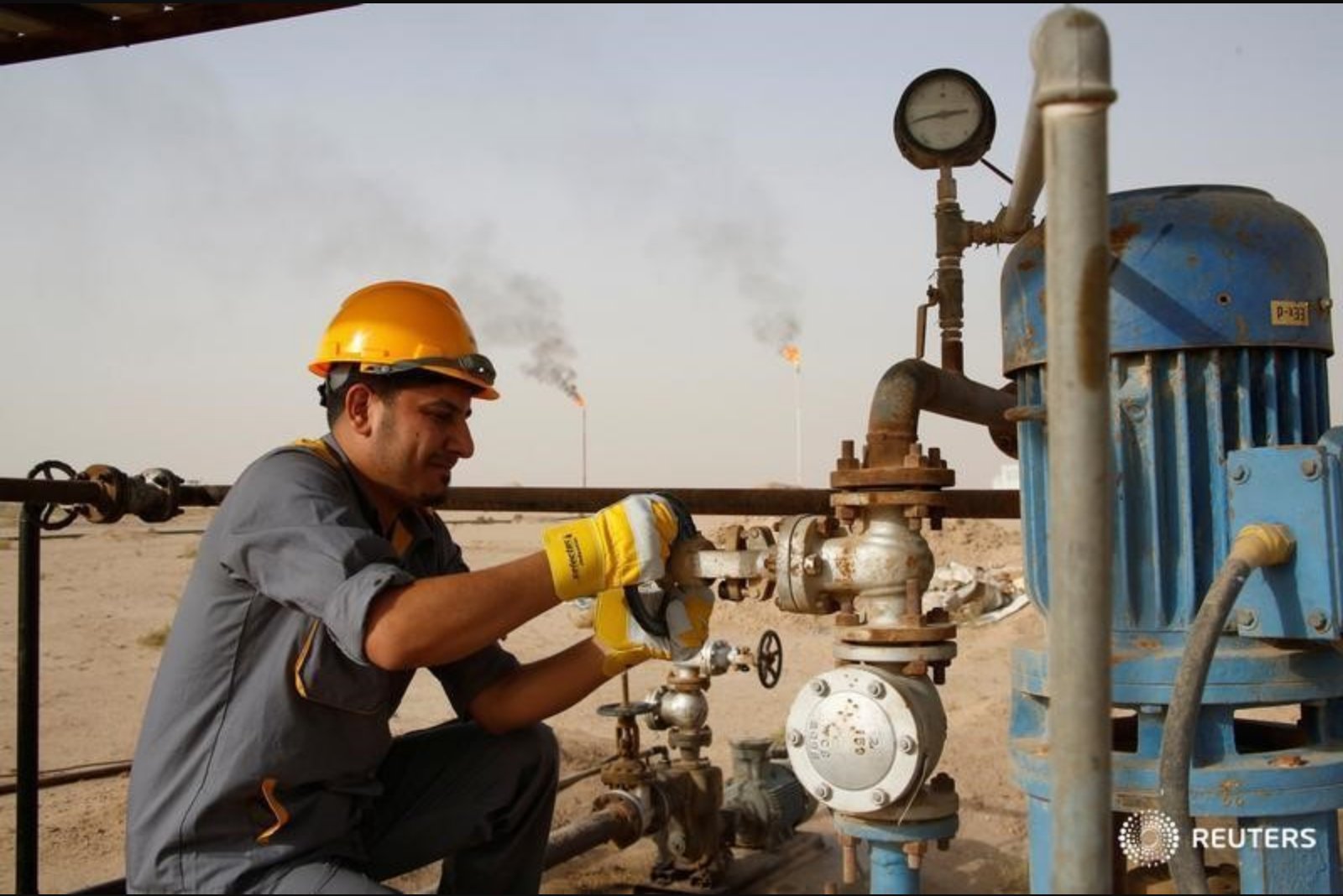
Analysts have linked the threat to shipping and pipeline interruptions with tangible effects upstream in crude production. ING analysts noted that the disruption to flows through the Strait is "starting to affect oil flows further upstream." They pointed to reports that Iraq has begun shutting in output at major fields, including the Rumaila field and West Qurna 2, with around 1.2 million barrels per day going offline.
Policy response and market reaction
Markets pared some earlier gains after U.S. President Donald Trump said the U.S. Navy would provide escorts for commercial vessels if required and pledged U.S. government support to ensure safe passage. ING analysts observed that, while such guarantees are welcome, they will not be implemented immediately. They also highlighted an insurance dynamic, noting that insurers are cancelling war risk coverage for vessels traversing the Strait of Hormuz.
While military escalation has supported prices in recent sessions, the emergence of international efforts to secure shipping lanes and promises of naval escorts may limit near-term upside until those measures are in place and effective.
Outlook considerations
Supply disruption risks remain the dominant factor for oil markets as long as hostilities and targeted attacks on shipping persist. Reported production shut-ins and threats to a key export artery underpin a heightened premium in prices, even as announcements of naval escorts and assurances of protection introduce an offsetting influence on trader sentiment.