
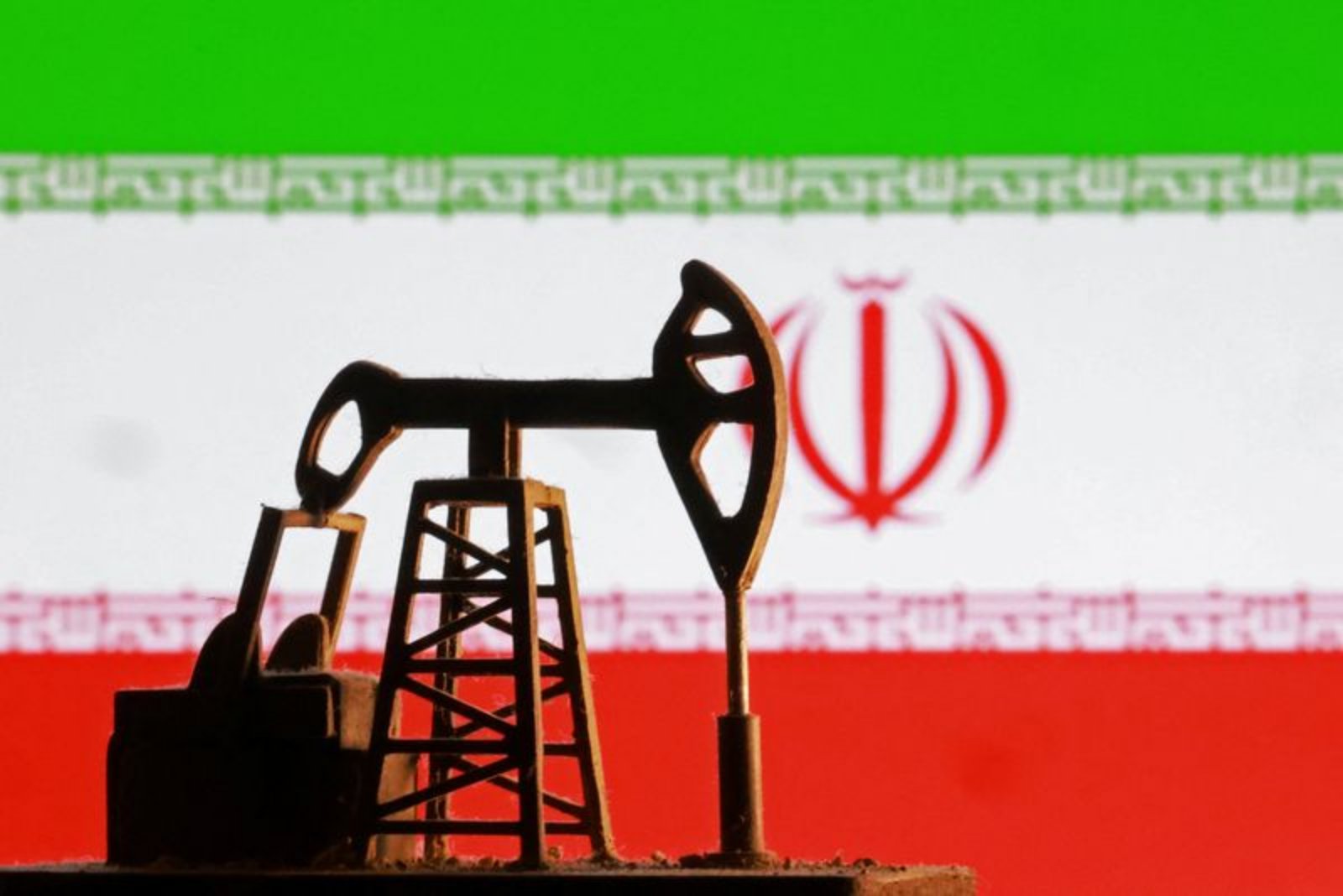
Oil markets traded near their highest levels in around seven months on Wednesday, with traders balancing the risk of supply disruption tied to heightened U.S.-Iran tensions against signs of surplus crude inventories in the United States.
At 0140 GMT, Brent crude futures were quoted at $71.22 per barrel, up $0.45 or 0.64%. West Texas Intermediate (WTI) futures were at $66.05, rising $0.42 or 0.64%.
Both benchmarks have been trading close to recent multi-month highs: Brent touched levels not seen since July 31 last Friday, while WTI reached its strongest level since August 4 on Monday and has remained near those peaks. The market has been responding to U.S. military positioning in the Middle East intended to pressure Iran to engage in negotiations aimed at ending its nuclear and ballistic missile programmes.
Analysts and market participants say the prospect of a broader conflict remains a central supply-side concern. Iran is the third-largest crude producer within the Organization of the Petroleum Exporting Countries, and any prolonged military confrontation could disrupt output not only from Iran but from other producers across the key Middle East oil-producing region.
Diplomatic developments are unfolding alongside the military posture. U.S. envoys Steve Witkoff and Jared Kushner are scheduled to meet with an Iranian delegation in Geneva for a third round of talks on Thursday.
Iran’s Foreign Minister Abbas Araqchi said on Tuesday that a deal with the U.S. was "within reach, but only if diplomacy is given priority".
Market commentary highlighted the uncertainty around how far concessions might go. In a note, Tony Sycamore, an IG market analyst, observed that U.S. President (Donald) Trump had warned that without a deal there would be "very bad consequences" and added that whether Iran’s concessions would satisfy the U.S. "zero enrichment" red line remained to be seen.
The security environment has also seen reports of accelerated arms talks. According to market sources, Iran and China have stepped up discussions on purchasing Chinese anti-ship cruise missiles. Those systems, market sources and experts say, could be used to target U.S. naval forces assembled near the Iranian coast, enhancing Iran’s strike capabilities and posing a threat to the deployed U.S. fleet.
Domestic U.S. political events are running in parallel. President Trump is scheduled to deliver the traditional State of the Union address to Congress on Tuesday evening. Two White House officials, speaking on condition of anonymity, said the president would discuss his plans for Iran during the address, but they did not provide further details.
Alongside geopolitics, the oil market is wrestling with signs of swelling inventories, which point to a supply overhang in the near term. Market sources reported that the American Petroleum Institute late on Tuesday recorded a large rise in U.S. crude stocks of 11.43 million barrels for the week ended February 20.
Those API-sourced figures also showed declines in gasoline and distillate inventories for the same week. The industry-sourced data set up the release of official U.S. government stock figures from the Energy Information Administration, which were scheduled for later on Wednesday.
Traders and analysts will be watching both the official inventory data and the outcome of the Geneva talks closely, as each could influence near-term price direction amid an already fragile balance between geopolitical risk and apparent inventory builds.