
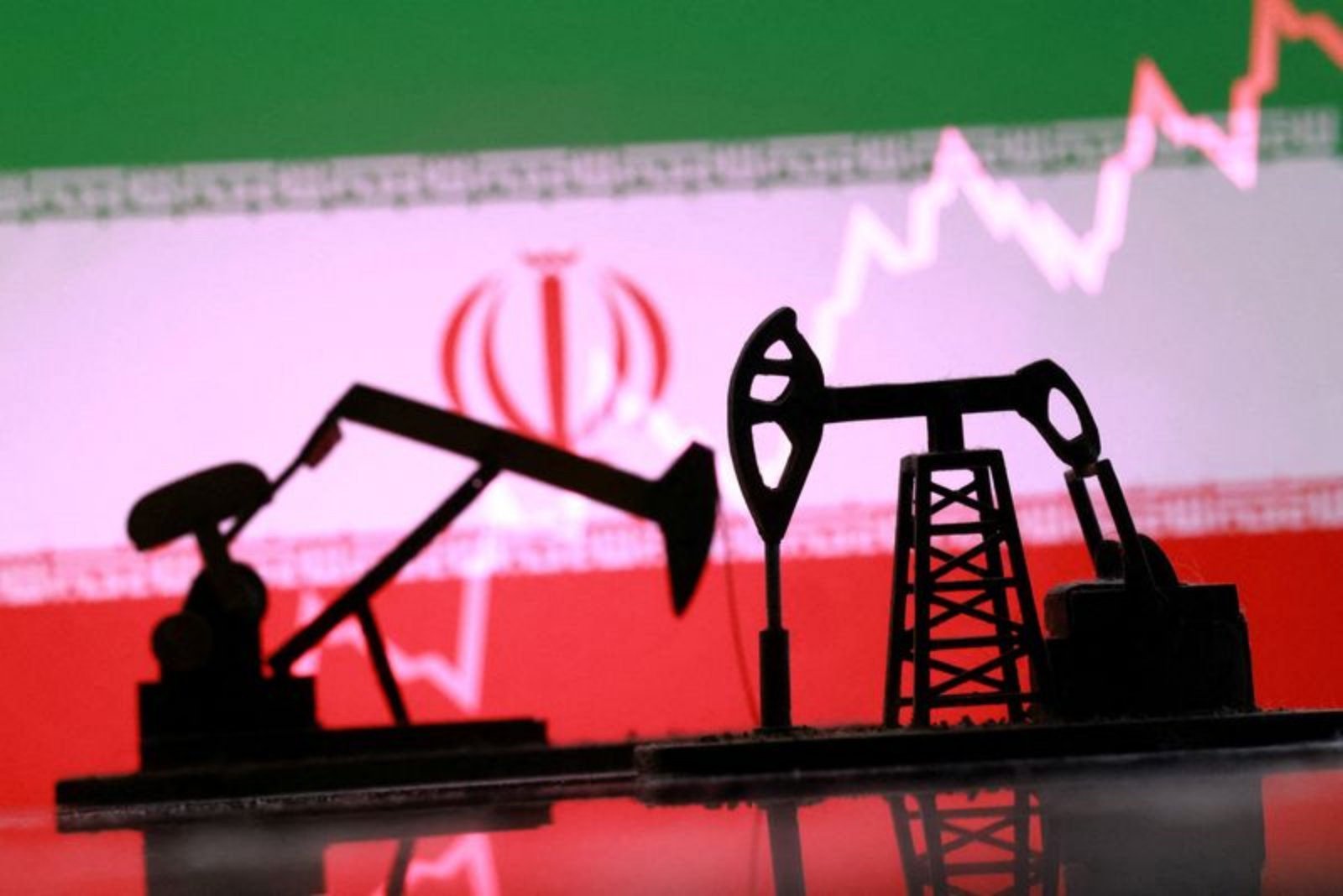
The U.S.-Israeli conflict with Iran has pushed energy markets into a period of acute operational stress, with consumers and businesses facing the prospect of elevated fuel costs for weeks or months even if the fighting stops quickly. The crisis combines direct damage to infrastructure with broader logistical disruption and heightened risk to shipping, complicating efforts to restore normal flows of crude oil and natural gas.
A recent JP Morgan research note captured the market mood: "The market is shifting from pricing pure geopolitical risk to grappling with tangible operational disruption, as refinery shutdowns and export constraints begin to impair crude processing and regional supply flows." That operational disruption is now visible in flows and inventories across the Gulf region.
Tehran’s targeting of vessels in the Strait of Hormuz and attacks on energy infrastructure have led to the suspension of roughly one fifth of global crude and natural gas supply, according to assessments cited by market participants. Since the outbreak of the conflict, global oil prices have climbed by more than 25%, lifting retail fuel costs around the world.
One of the most consequential factors has been the effective near-shutdown of the Strait of Hormuz. Faced with the security threat to shipping lanes, the region’s largest oil exporters - Saudi Arabia, the United Arab Emirates, Iraq and Kuwait - have been forced to suspend crude shipments totaling as much as 140 million barrels. That volume is equivalent to about 1.4 days of global oil demand and has put immediate strain on refiners and storage infrastructure.
Storage facilities at Gulf terminals and refineries are filling up quickly as crude and refined product flows are interrupted, prompting producers in Iraq and Kuwait to reduce output. Market sources and analysts say the UAE is likely to follow with production cuts next if export vessels remain absent. One source with a state oil company in the region warned: "At some point soon, everyone will also shut in if vessels do not come."
Shutting in oilfields because there is nowhere to send crude is not a simple, short-term disruption. Amir Zaman, head of the Americas commercial team at Rystad Energy, emphasised that fields taken offline can take time to return to prior output levels. "The conflict could be ended, but it could take days or weeks or months, depending on the types of fields, age of the field, the type of shut-in that they’ve had to do before you can get production back up to what it once was," he said.
Beyond wellhead curtailments, Iran’s attacks have hit downstream assets. Some refineries and export terminals in the region have been forced to halt operations after damage, with repair needs varying by site. Qatar, for example, declared force majeure on its substantial gas export volumes following Iranian drone strikes, and sources told Reuters it may take at least a month to restore normal production levels. Qatar accounts for about 20% of global liquefied natural gas (LNG) exports.
In Saudi Arabia, the giant Ras Tanura refinery and crude export terminal run by Saudi Aramco has also closed following attacks, with limited public detail released on the extent of the damage. Such disruptions to refining and export capacity compound the upstream production curbs, narrowing options for re-routing supply.
Security measures, insurance and the Strait
Markets have been watching whether the Strait of Hormuz can be secured for commercial shipping. Washington has offered naval escorts for oil tankers and pledged insurance support to vessels operating in the area. But providing continuous safety in the waterway is a challenge: intelligence and military briefings cited by officials indicate Iran retains the capacity to sustain drone attacks on shipping for months.
Joel Hancock, an energy analyst at Natixis CIB, said that while physical damage observed so far has not appeared to be structural, that risk persists while the conflict continues. "Considering physical damage due to Iranian strikes, so far we have not seen anything that would be considered structural, although the risk remains as long as the war continues," he said. Even without structural harm, the logistical fallout from damaged terminals, port closures and insurance premiums raises the bar for shipping operations to resume at scale.
Another possible market reaction is strategic stock rebuilding. Governments and companies could use any window after the conflict to refill strategic petroleum reserves, having been reminded of the thinness of inventories. Such replenishment would increase oil demand in the weeks and months after active hostilities and support prices even if immediate production and shipments recover.
Regional and global ripple effects
The interruption of Gulf supplies has been felt most acutely by import-dependent Asia, which takes roughly 60% of its crude from the Middle East. In India, state-owned Mangalore Refinery and Petrochemicals declared force majeure on gasoline export cargoes, joining other refineries that cannot fulfil contracts because of constrained feedstock supplies. At least two refineries in China cut runs, and Beijing has asked domestic plants to suspend fuel exports. Thailand suspended fuel exports and Vietnam halted crude shipments.
Disruption in the Gulf has reshuffled demand for other sources. Russia has seen stronger interest for its oil cargoes, with prices for Russian crude rising as New Delhi received a 30-day waiver from the United States to buy Russian crude as a substitute for lost Middle East supplies. The waiver comes amid prior U.S. pressure on India to reduce Russian oil imports under the threat of tariffs.
Energy markets in East Asia reflected tightening supply expectations. In Japan, baseload power futures for the Tokyo market for the fiscal year starting in April jumped more than a third on the EEX exchange this week as traders priced in higher fuel costs. In South Korea, consumers queued at petrol stations ahead of expected increases in pump prices.
European markets face a compounded challenge. Europe was heavily affected by gas supply constraints after sanctions and reductions in pipeline flows from Russia following the 2022 invasion of Ukraine. The continent turned to LNG cargoes to substitute for pipeline gas and now needs roughly 180 more LNG cargoes than last year to reach storage levels considered necessary before the next winter season. Those additional procurement needs increase competition for a global LNG market that may be disrupted by events in the Gulf.
The United States is less directly exposed to supply disruptions because it has expanded oil and gas production and is now the world’s largest producer. Nevertheless, U.S. domestic fuel prices typically follow international crude benchmarks, so American consumers have felt the impact at the pump. Average retail gasoline prices in the United States, according to AAA, reached $3.32 a gallon nationally on Friday, up 34 cents from the prior week. Diesel rose to $4.33 a gallon from $3.76 a week earlier.
Political implications
Rising fuel costs carry political risk, particularly for U.S. leaders with domestic elections approaching. Analysts and market observers note that gasoline prices have outsized influence on voter sentiment. Mark Malek, chief investment officer at Siebert Financial, put it succinctly: "Gasoline prices are psychologically powerful. They are the inflation number that consumers see every single day." Higher pump prices could therefore become a salient issue in voter decision-making heading into the midterms.
Outlook and uncertainties
Even if a ceasefire or rapid de-escalation occurs, normalization of supply and price conditions may lag significantly. The time to restore pre-conflict output depends on factors such as the scale of physical damage at ports and refineries, the types and ages of affected oilfields and the nature of shut-in procedures implemented by producers. Those elements will determine whether recovery takes days, weeks or months.
Key uncertainties that will shape the coming weeks include the security situation in the Strait of Hormuz, the pace of repairs to damaged facilities, vessel availability and insurance terms, and whether governments choose to re-enter markets to rebuild strategic reserves. Each of these factors influences shipping, refining and storage dynamics and will play into global pricing and availability for crude, refined fuels and LNG.
Bottom line
The conflict’s immediate effect has been to remove substantial volumes of crude and gas from global circulation, to elevate shipping risks and to pressure refineries and terminals across the Gulf. Those combined operational disruptions mean that a speedy end to hostilities may not immediately translate into lower prices for consumers. Markets, refineries and governments are now managing both visible damage and a more uncertain timeline for recovery, with tangible implications for economies, industries and political leaders reliant on stable energy costs.