
Commodities March 17, 2026

OCBC Sees Brent Holding Near $100/bbl as U.S.-Iran Tensions Keep Strait of Hormuz Flows Severely Constrained

Bank warns markets are moving toward a moderately severe supply shock unless disruptions ease

By Jordan Park
OCBC Sees Brent Holding Near $100/bbl as U.S.-Iran Tensions Keep Strait of Hormuz Flows Severely Constrained

OCBC said oil prices are likely to remain above $100 per barrel in the near term due to little sign of de-escalation in the U.S.-Iran conflict. With tanker traffic through the Strait of Hormuz reduced to a trickle and mitigation measures unable to fully close the gap, the bank expects Brent to average around $100 through mid-2026 before easing to about $70 by early 2027 as disruptions gradually subside.

Key Points

  • OCBC expects Brent crude to remain around $100 per barrel through mid-2026, then ease to about $70 by early 2027 as disruptions subside - impacts energy markets and commodity-focused sectors.
  • Tanker traffic through the Strait of Hormuz has slowed to a trickle, constraining flows that account for roughly a fifth of global oil consumption - affects shipping and logistics sectors.
  • Mitigating measures such as alternative pipeline routes, strategic reserve releases and continued Iranian exports could offset up to 10 million barrels per day but would still leave a significant supply gap if disruptions persist - relevant to refining and upstream producers.

Analysts at OCBC said oil prices are expected to stay above $100 per barrel in the near term because there are scant indications of de-escalation in the U.S.-Iran conflict. In a note, the bank described the situation as having entered its third week without a credible diplomatic breakthrough, leaving shipments through the Strait of Hormuz heavily constrained and global crude supplies tight.

Outlook for prices

OCBC's commodity strategists projected that Brent crude will hold around $100 per barrel through mid-2026, a substantial upward revision from previous forecasts near $70. The bank anticipates a gradual easing toward $70 by early 2027, contingent on disruptions subsiding over time.

“Persistent shipping paralysis is forcing Gulf producers into output shut-ins, raising the risk that temporary disruptions evolve into longer-lasting supply losses,” OCBC’s commodity strategists said.

Supply dynamics and shipping

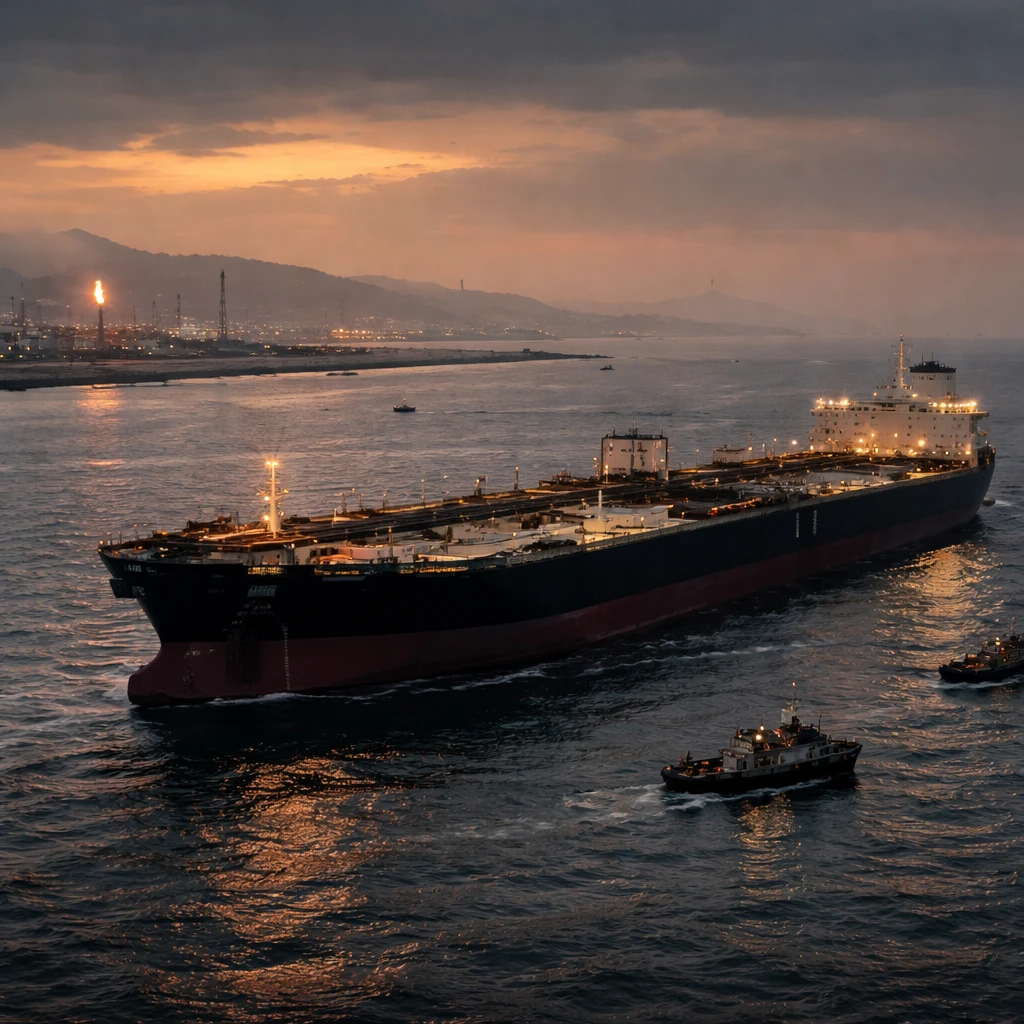
The note highlighted that tanker traffic through the Strait of Hormuz has slowed to a trickle as a result of heightened security risks. That waterway is a crucial artery for global energy flows - OCBC noted it accounts for roughly a fifth of worldwide oil consumption - and the curtailment of shipments is keeping markets tight.

While some vessels have resumed limited transit after undergoing Iranian checks, and there have been signals about potential inventory releases from the International Energy Agency, OCBC emphasized that overall flows remain well below normal levels.

Mitigation and remaining gaps

OCBC listed mitigating measures that could partially alleviate the shortfall, including the use of alternative pipeline routes, releases from strategic petroleum reserves, and continued Iranian exports. The bank said those measures could offset up to 10 million barrels per day, but warned that even with such actions a meaningful supply gap would persist if a disruption were to be prolonged.

Given these conditions, OCBC concluded that oil markets are approaching what it characterizes as a "moderately severe" supply shock, and that risks are skewed toward further upside in prices if tensions continue.


Summary

The combination of limited signs of de-escalation in the U.S.-Iran conflict, sharply reduced tanker traffic through the Strait of Hormuz, and only partial mitigation from alternate measures supports OCBC's view that Brent will remain around $100 per barrel through mid-2026 before easing toward $70 by early 2027.

Risks

  • Prolonged disruption in Strait of Hormuz shipments could evolve into longer-lasting supply losses, pushing oil prices higher and increasing volatility - risk to energy-intensive industries and consumer-facing sectors.
  • Mitigating actions may be insufficient to fully replace halted flows, leaving markets exposed to a moderately severe supply shock - risk to global trade and shipping insurance markets.
  • Sustained elevated crude prices could strain manufacturing and transportation costs, with potential knock-on effects for inflation-sensitive sectors if tensions do not abate.

More from Commodities

Oil Retreats After Surprise U.S. Inventory Build as Iran-Related Risks Persist Mar 17, 2026 Oil retreats after API reports U.S. crude build; Mideast developments add market tension Mar 17, 2026 Gold Holds Near $5,000/oz as Iran Conflict and Fed Meeting Keep Markets on Edge Mar 17, 2026 Brazilian Truckers Threaten Walkout as Diesel Costs Spike Amid Middle East Tensions Mar 17, 2026 UAE Signals Potential Participation in U.S.-Led Effort to Secure Strait of Hormuz Mar 17, 2026