
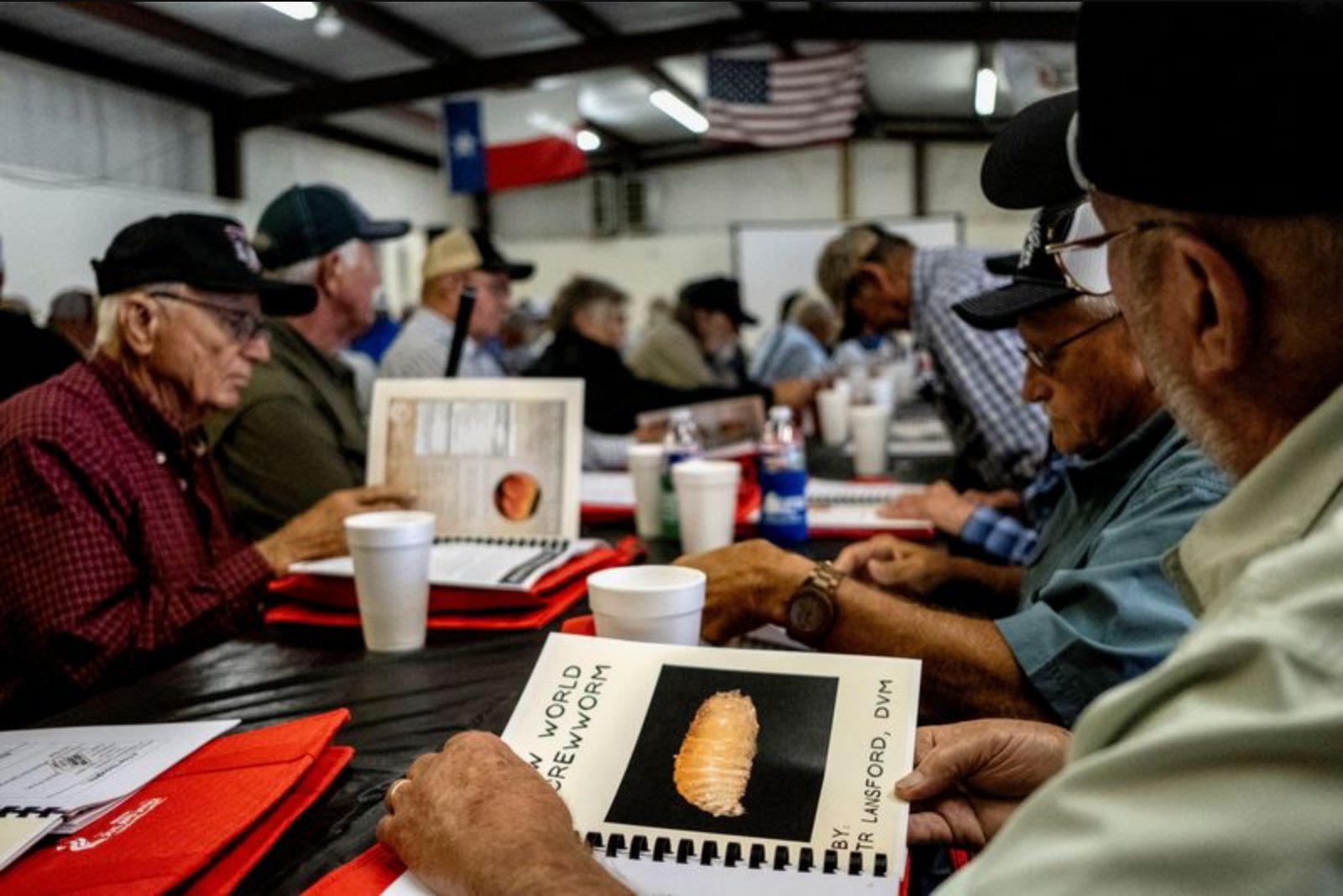
Summary: The U.S. Department of Agriculture reported that New World Screwworm was detected in a six-month-old sheep in the Mexican state of Coahuila, about 31 miles (50 km) from the United States border. The proximity represents the closest known occurrence of the parasite during the current outbreak. The detection adds pressure on U.S. agricultural authorities and cattle producers already coping with a reduced national herd and record beef prices.
USDA data indicate the most recent identification of the parasitic fly occurred in a young sheep in Coahuila. The agency characterized the pest as a destructive parasite of warm-blooded animals capable of causing substantial economic damage. The report notes the discovery is the nearest the pest has come to the U.S. in the ongoing outbreak, despite coordinated containment activities by U.S. and Mexican authorities.
Officials and experts voiced concern that the parasite moving across the border would further strain the U.S. cattle supply. If the fly were to establish in U.S. livestock, it could reduce the number of calves entering the cattle supply and contribute to higher beef prices. A USDA estimate cited in the data projects that an outbreak within the United States could inflict as much as $1.8 billion in damage to Texas' economy alone. Texas is identified as the nation's largest cattle-producing state.
Market context described in the USDA materials highlights that the U.S. cattle herd is at its lowest level in 75 years and beef prices have reached record highs. In response to the northward spread in Mexico, Washington has maintained a suspension on cattle imports from Mexico for more than a year as a measure to prevent the pest from entering the United States.
The biology of the pest was outlined in the USDA information: female New World Screwworm flies deposit hundreds of eggs into wounds on warm-blooded animals. After hatching, the larvae use hooked mouthparts to tunnel and feed within living flesh, enlarging wounds and, if untreated, potentially killing the host.
The USDA has allocated millions of dollars to develop facilities that produce sterile flies, the principal tool for suppressing an outbreak through sterile insect technique. According to the report, those production facilities have not yet become operational.
Both the USDA and Mexico's Agriculture Ministry were noted as having been engaged in containment efforts, though neither agency provided immediate comment on the new detection. The report underscores the tight geographic proximity of the latest case to the U.S. border and the continued vigilance by authorities and producers.
Key points
- The New World Screwworm was found in a six-month-old sheep in Coahuila, Mexico, approximately 31 miles (50 km) from the U.S. border - impacting the livestock and beef sectors.
- An outbreak entering the United States could further tighten the already diminished U.S. cattle herd and push beef prices higher, with potential economic damage estimated at $1.8 billion to Texas alone.
- Containment efforts by the USDA and Mexico are ongoing, import restrictions from Mexico to the U.S. have been in place for over a year, and sterile fly production facilities funded by the USDA are not yet online.
Risks and uncertainties
- Risk of cross-border spread - The parasite's proximity to the U.S. border raises the possibility of introduction into U.S. livestock, affecting the cattle and beef industries.
- Operational readiness - The sterile fly production facilities intended to combat outbreaks have not yet come online, creating uncertainty about response capacity if the pest arrives in the United States.
- Market impacts - With the national cattle herd at a 75-year low and record beef prices, further reductions in calf supply from an outbreak could exacerbate price pressure in beef markets and related agricultural sectors.