
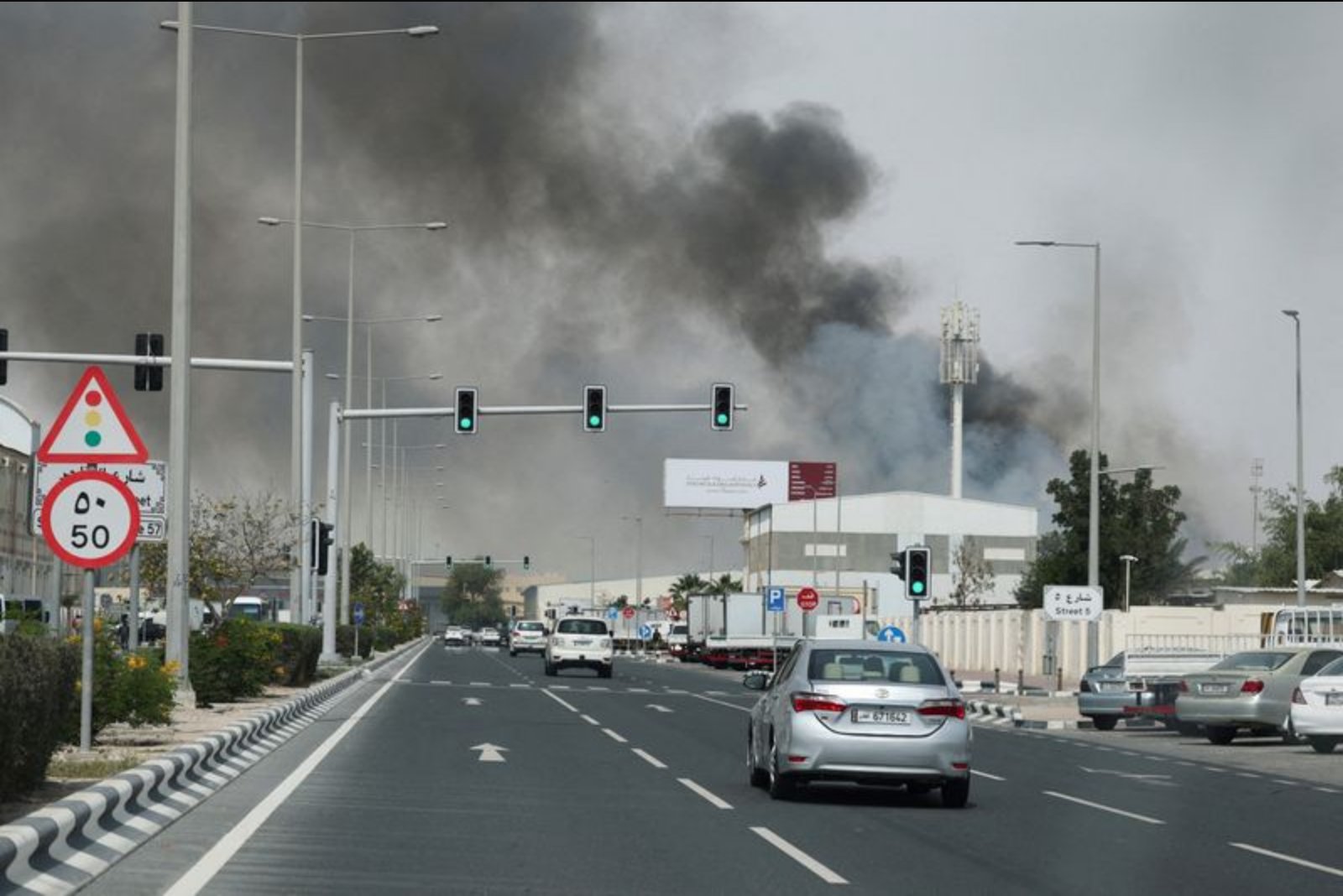
Moscow on Thursday levelled strong accusations at the United States and Israel, saying both countries have sought to draw Arab Gulf states into a broader Middle East conflict by provoking Iran into carrying out strikes across the region.
The Russian Foreign Ministry said the recent pattern of events - which it described as deliberate provocation - resulted in Iran launching drone and missile attacks that have struck targets in some Arab countries in the Gulf. Those states, the ministry noted, are close U.S. allies, and several also maintain significant ties with Russia.
Russian officials tied the escalation to air strikes launched by the United States and Israel on Iran on Saturday. According to the ministry, the subsequent Iranian strikes caused both human and material losses, including damage to oil infrastructure in the region.
President Vladimir Putin intervened diplomatically earlier in the week, speaking by phone on Monday with leaders of four Arab Gulf states. In those discussions, Putin offered to use Moscow's lines of communication with Iran to relay concerns about Tehran's strikes on oil infrastructure across the region.
The Foreign Ministry issued a statement on Thursday that directly blamed Washington and Tel Aviv for what it called an effort to drag Arab Gulf states into a wider conflagration. "They deliberately provoked Iran into retaliatory strikes against targets in some Arab countries, which led to human and material losses, which the Russian side deeply regrets," the ministry said. "In doing so, they (Washington and Tel Aviv) are trying to drag the Arabs into a war for someone else’s interests."
The Russian message framed the recent round of strikes and counterstrikes as part of a sequence of actions that, in Moscow's view, risks widening the scope of the conflict across the Middle East. Moscow's statement and Putin's outreach to Gulf leaders reflect a diplomatic effort to position Russia as a conduit for concerns between Iran and affected Gulf states.
The situation described by Russian officials centers on four linked elements set out by the ministry: the initial air strikes on Iran by the United States and Israel on Saturday; subsequent Iranian drone and missile attacks on targets in several Arab Gulf states; resulting human and material losses including damage to oil infrastructure; and Moscow's assertion that Washington and Tel Aviv intended to pull Gulf states into a larger war.
Summary
Russia has accused the United States and Israel of deliberate actions intended to provoke Iran into striking Arab Gulf states, producing human and material losses and damage to oil infrastructure. President Putin has offered to use Russia's contacts with Iran to communicate concerns to Tehran, while the Russian Foreign Ministry publicly blamed Washington and Tel Aviv for trying to draw the Arabs into a wider war.