
Freight costs for large oil and gas carriers operating in the Middle East have surged to unprecedented levels, industry data and market participants said, as a sharp intensification of hostilities has disrupted one of the world’s most important energy arteries.
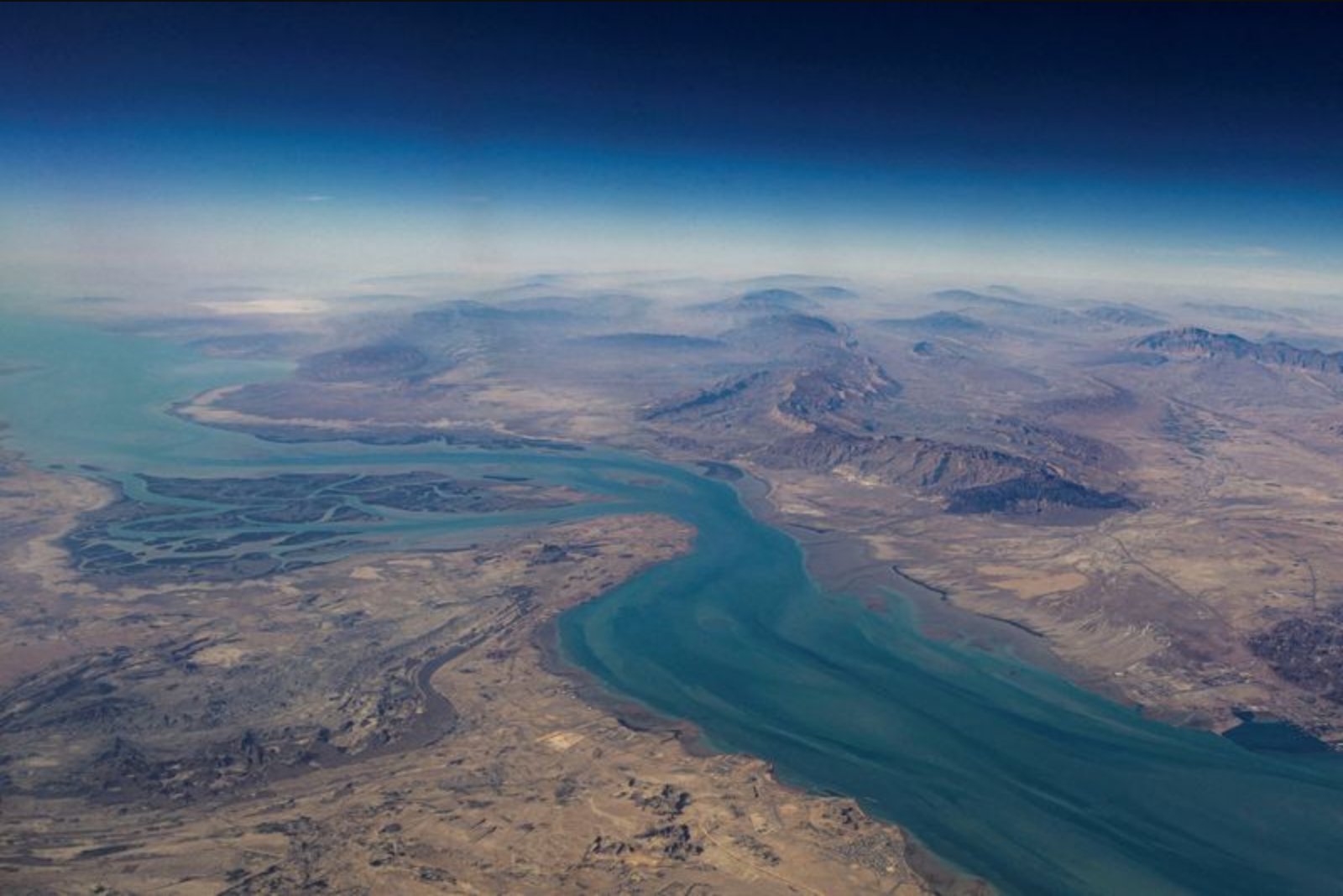
Shipping through the Strait of Hormuz - the narrow passage between Iran and Oman that is responsible for carrying about one-fifth of the oil consumed globally as well as significant volumes of liquefied natural gas - has largely stalled after a series of vessels in the area were struck amid retaliatory Iranian attacks following strikes on Iran.
The interruption and growing concern that the strait could remain closed have driven fuel prices higher. Brent crude futures rose nearly 10% this week as the wider conflict triggered multiple oil and gas shutdowns across the Middle East, and European gas benchmark prices also moved higher in response to supply anxiety.
Industry benchmarks for shipping costs climbed sharply. The Worldscale measure used to calculate freight for very large crude carriers (VLCCs) - those that carry about 2 million barrels from the Middle East to China and are tracked on the TD3 route - hit a record W419 on Monday, according to LSEG data, equating to $423,736 per day. That figure represented a doubling from Friday and extended gains from a six-year high touched the prior week after the U.S. and Israel attacked Iran and killed Supreme Leader Ayatollah Khamenei on Saturday.
Iran’s responses have included strikes on Gulf targets and, according to Iranian media reports, a senior official in the Islamic Revolutionary Guard Corps saying on Monday that the Strait of Hormuz was closed and that Iran would open fire on any ship attempting to pass.
LNG tanker market reacts
Spot daily freight rates for LNG carriers jumped by more than 40% on Monday after Qatar halted production. Pricing assessments from Spark Commodities showed Atlantic routes climbed to $61,500 per day on Monday - a 43% increase, or $18,750, from Friday - while Pacific routes rose to $41,000 per day, up 45% or $12,750 from Friday.
Fraser Carson, principal analyst for global LNG at energy consultancy Wood Mackenzie, said spot daily LNG shipping rates could exceed $100,000 this week, citing tight availability. "Vessel availability for the rest of March is considered weak as cargo operators try to work through the backlog created by weather disruptions during February," he said. "There will be very strong competition for any available vessels." He added that until safe passage through the Strait of Hormuz can be assured, a portion of shipping capacity will remain idle.
Operational responses and port implications
Market participants reported a number of operational adjustments. An oil shipbroker who declined to be named said gauging Gulf shipping rates had become very difficult because several shipowners had suspended operations indefinitely in the region. At the bunkering hub of Fujairah in the United Arab Emirates, sales of bunker fuel have slowed as the conflict disrupted supply, prompting a spike in bunker prices and creating the potential for demand to shift to other bunkering ports, including Singapore.
South Korean interests are also moving to mitigate risk. Hyundai Glovis, a South Korean shipping firm, said it was preparing contingency plans that include seeking alternate routes and ports. In addition, South Korea’s maritime ministry issued a notice to South Korean shippers with vessels operating in the Middle East asking them to refrain from business operations in the region, an official said.
The combined effect of suspended voyages, port disruptions and surging freight rates has placed immediate pressure on energy logistics and has raised the cost of transporting crude and LNG out of the region. Traders, charterers and national oil companies facing cargo re-routing and vessel shortages are competing for a constrained pool of tonnage while markets assess how long the interruption to the Strait’s normal operations will persist.
These developments come as a series of shutdowns at oil and gas facilities across the Gulf have compounded concern over near-term supply availability, supporting the recent spike in global oil and gas prices.
Market participants continue to monitor vessel movements and port activity closely, while shippers weigh whether to reroute, delay or suspend sailings until passage through the Strait of Hormuz is deemed safe.
Analyst commentary and market signals
Analysts and industry contacts highlighted the tightness in the shipping market and the potential for further rate escalation if disruptions persist. The rapid acceleration in freight costs for both crude and LNG underscores how geopolitical shocks in a concentrated transit chokepoint can quickly transmit to transport markets and commodity prices.
Meanwhile, a market services provider that evaluates investment ideas described an AI-based stock selection tool and its past performance, noting examples of prior winners, and invited readers to view the tool’s assessments. The promotional material presented the tool’s view on a particular ticker and provided a call to action for readers interested in comparative stock strategies.
At present, the scale and duration of shipping disruptions and how quickly safe passage can be restored remain uncertain. Market participants are adapting operations and pricing to reflect the elevated risk environment.