
The recent escalation of conflict in the Middle East is constricting oil and gas movements to multiple Asian buyers as vessels shun the Strait of Hormuz and seek safety in nearby waters, industry sources and analysts reported. The disruptions are already straining transport arrangements and raising costs for crude cargoes and tankers.
Asia, the largest oil-consuming region in the world, depends on Middle Eastern producers for roughly 60% of its oil supply. That reliance has come into sharper focus as the confrontation between Iran and forces backing the United States and Israel continues to affect shipping through a key maritime bottleneck.
U.S. President Donald Trump indicated the U.S.-Israeli military action could continue for weeks - a prospect that would prolong uncertainty over traffic through the Strait of Hormuz. Around 20% of global crude production and a similar portion of liquefied natural gas move by ship through that passage from Middle Eastern producers, creating concentrated exposure to any extended disruption.
Recent attacks damaged three tankers and resulted in the death of one seafarer, prompting an immediate safety response from the maritime community. Initial strikes prompted about 200 ships to anchor near the Strait to avoid transit risks. Following the attacks, insurers pulled war risk coverage on affected routes, and market participants expect tanker freight rates to rise as operators keep vessels away from the area.
"Iran has not officially shut the Strait of Hormuz but risk aversion from shippers is a real phenomenon. Transit volumes have already declined with vessels parking outside the Strait," Citi analysts said in a note cited by market sources.
Global crude prices reacted swiftly. On Monday, oil was trading about 9% higher after an earlier intraday jump of as much as 13%.
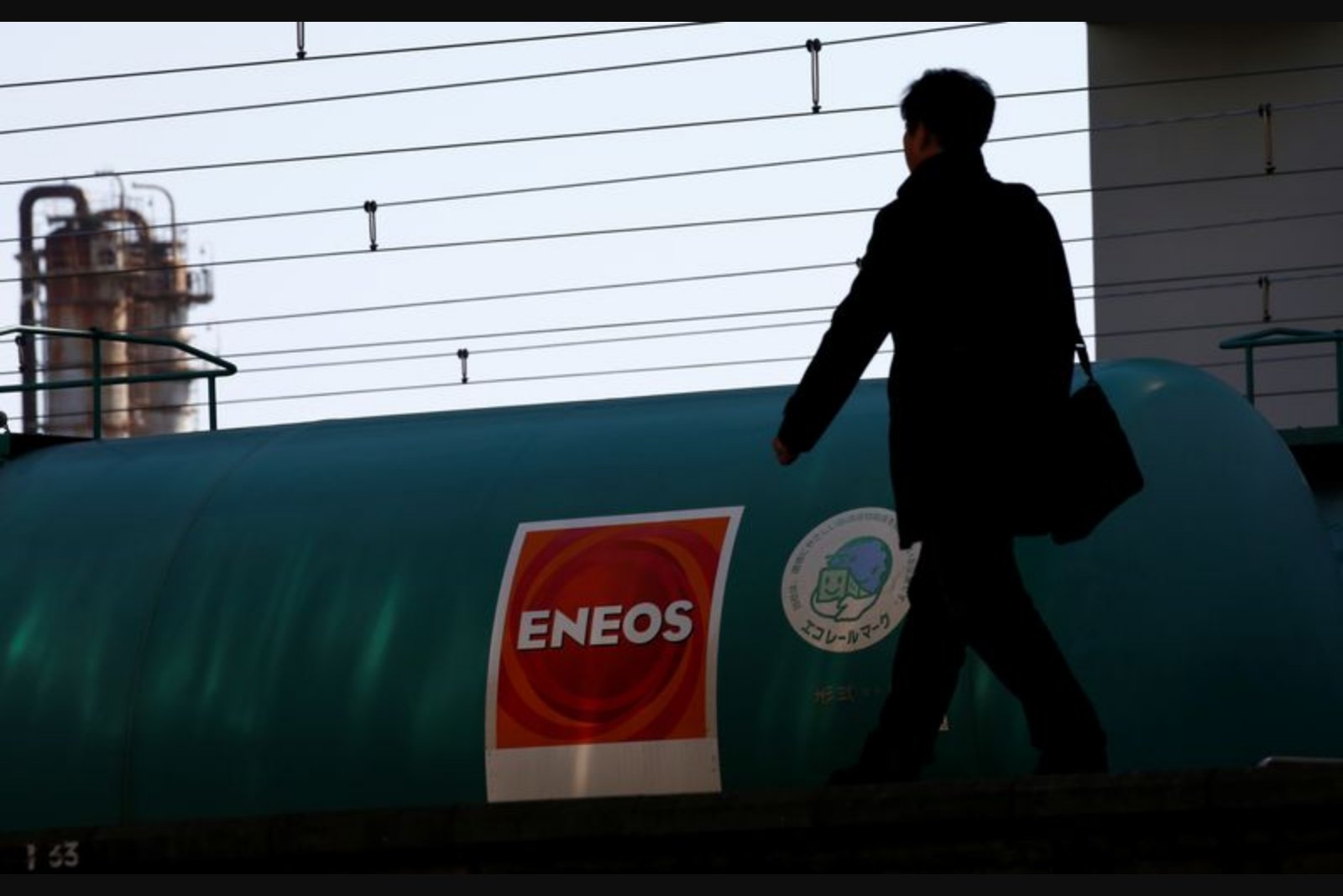
Japan reported direct operational impacts. Some crude tankers destined for Japanese buyers are waiting in the Persian Gulf to avoid passage through the Strait of Hormuz, Japan's Chief Cabinet Secretary Minoru Kihara said. Trading house Itochu acknowledged it was seeing "some impact" on crude and petroleum product shipments from the Gulf and indicated it would seek supplies from outside the Middle East. Eneos, Japan's largest refiner, said it was tracking the situation and would assess implications for future crude procurement.
Industry analysts warned that an extended closure or de facto closure of the Strait would push prices even higher and could create supply shortages for China and India, the world's largest and third-largest oil importers, respectively. That scenario could force countries to tap strategic stockpiles and reduce refinery throughput.
The International Energy Agency requires its members to hold emergency oil stocks equivalent to at least 90 days of net imports. Japan said it had no immediate plan to release strategic reserves, which are among the largest globally. Meanwhile, Indonesian state-owned energy firm Pertamina said it has prepared mitigation measures and was optimising refinery operations to ensure continued supply of fuel and liquefied petroleum gas; Indonesia is Southeast Asia's largest gasoline importer.
In India, some refiners have told Middle Eastern suppliers they cannot obtain vessels to load crude, according to sources at two companies. New Delhi's oil ministry and refiners met over the weekend to explore options to shore up energy security. Should the crisis endure for more than 10-15 days, refiners said they would consider all options - including purchasing Russian oil if approved by the government.
One industry source noted that alternative shipping routes around the Middle East are costly and that availability is constrained because ship operators are unwilling to use those passages while risks remain elevated.
Beyond crude, liquefied natural gas flows from Qatar, Oman and the United Arab Emirates are also at risk, a development analysts said would hit Asian buyers hard - particularly Pakistan, India and Bangladesh. Those countries could face a choice between attracting LNG cargoes from other producers or cutting gas demand by switching fuels or instituting outright curtailments, Rystad Energy analysts observed.
China and Japan are the world's two largest LNG importers, although Japan sources much of its LNG from Australia. Japan's utilities reported LNG inventories equivalent to about three weeks of domestic consumption, Kihara added.
The current disruption has triggered immediate operational changes across trading houses, refiners and national energy agencies. Shipowners and insurers are recalibrating risk models and will likely demand higher premiums to cover voyages near the Strait of Hormuz. Refiners face the logistical challenge of securing alternative feedstocks or adjusting run rates. Utilities and gas buyers in South Asia face potential supply shortfalls that could compel inventory draws or demand management steps.
At this stage, market participants are actively monitoring ship positioning, insurance coverage updates and government contingency plans as they assess the duration and severity of the interruptions to Middle Eastern energy exports.