
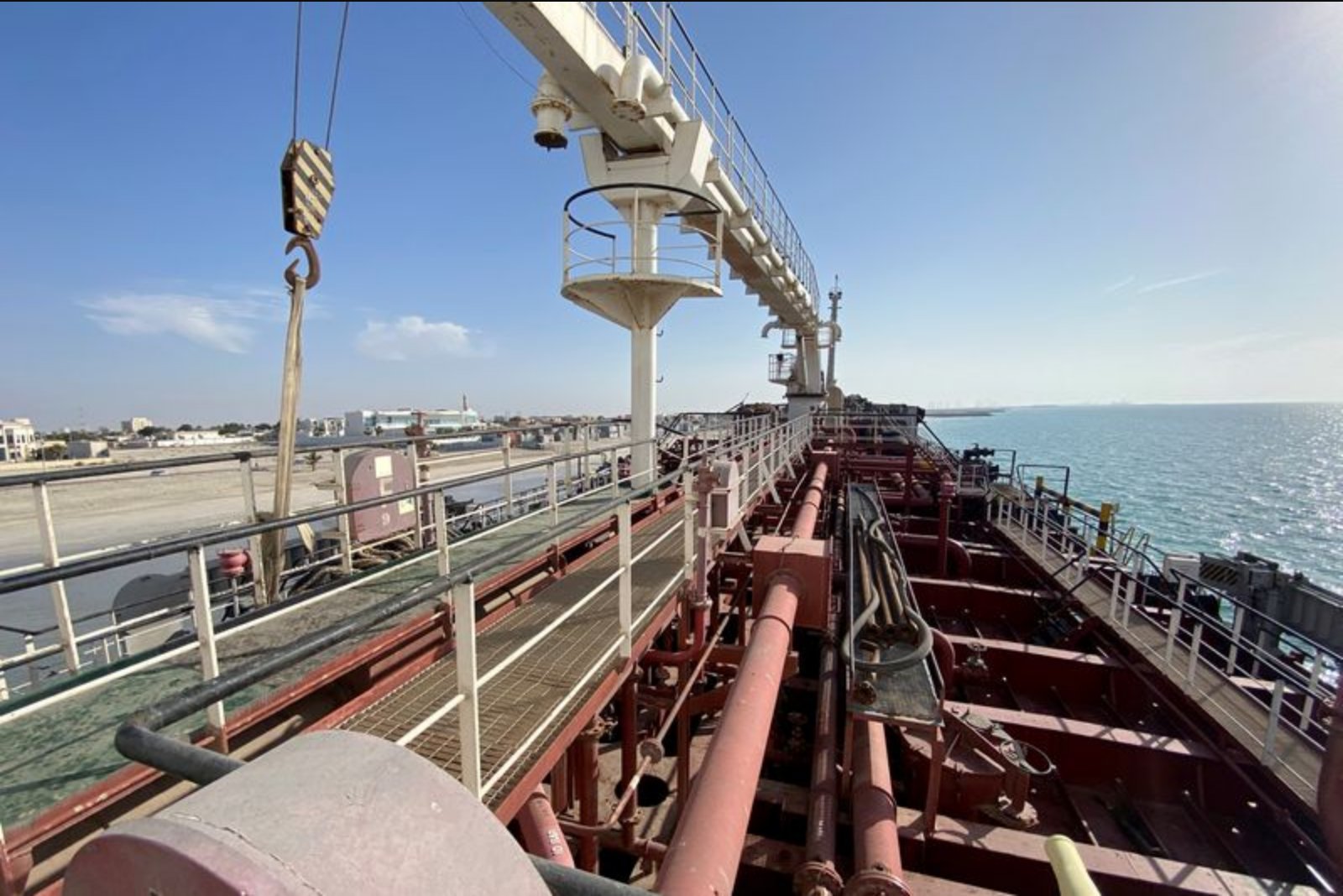
Market snapshot
Freight costs to hire a very large crude carrier (VLCC) capable of transporting up to 2 million barrels from the Middle East to China have risen to more than $170,000 a day, having more than tripled since the start of the year, according to LSEG data. That level is the highest recorded since April 2020.
Surge in Middle Eastern exports
Shipping analytics show that February crude exports from the Middle East exceeded 19 million barrels per day, the largest monthly flow since April 2020. The increase was driven principally by shipments from Saudi Arabia, the United Arab Emirates and Iran, while India raised its intake of Middle Eastern barrels after cutting back on Russian imports.
Industry analysts point to several underlying demand-side and supply-side drivers. "VLCC freight rates have seen many positive fundamental drivers, starting with Venezuela barrels moving on legitimate freight vs a dark fleet before, increased OPEC+ production and healthy crude demand from refineries, particularly from India, which has moved from Russian to Middle Eastern barrels," said June Goh, a senior analyst at Sparta Commodities.
Sparta's analysis anticipates that the tighter conditions in the VLCC segment will soon influence smaller crude tanker segments. "Suezmax and Aframax markets will soon receive the spillover effects in the dirty freight market," Goh said, referencing the smaller tankers that carry crude and fuel oil.
Risk premium from possible conflict
Geopolitical concerns are amplifying the market reaction. Brokers and analysts warn that war-risk insurance premiums could increase if the United States strikes Iran and Tehran retaliates, potentially disrupting traffic through the Strait of Hormuz, a key chokepoint for Gulf oil exports. Higher insurance costs and owner demands for compensation to enter the region would effectively raise charter costs.
One broker note highlighted how quickly perceptions of risk can be reflected in spot rates: "For crude tankers, the key point is that VLCC spot ... (rates do) not need barrels to disappear to move," the broker said, adding that market repricing may follow heightened war-risk premiums, owners seeking compensation for operations in the area, and charterers booking vessels further ahead to reduce schedule uncertainty.
Maritime security monitors have flagged operational hazards in the region as well. Dryad Global reported elevated incidents of GPS jamming and spoofing of AIS ship tracking in the Gulf of Oman and the Strait of Hormuz, which it directly linked to ongoing Iranian military exercises. Such disruptions increase operational uncertainty for commercial maritime traffic and add to insurers' assessments of risk.
Structural supply constraints in the fleet
The effective size of the global tanker fleet has been weakened by the migration of hundreds of older ships into a so-called shadow fleet. Those vessels, used to carry sanctioned oil from Iran and Russia, often operate with unclear insurance arrangements. Major oil companies refuse to use such ships, reducing the pool of commercially acceptable tonnage until newbuilds enter service over the next three years.
At the same time, a single commercial operator has emerged as a notable buyer of VLCC tonnage. South Korea's Sinokor has been acquiring VLCCs in recent months, shrinking the number of vessels available in the open market. Estimates from three brokers and shipping officials indicate Sinokor currently controls about 78 VLCCs in the active daily spot market, and that figure is expected to rise to at least 88 within the current quarter.
Sources described a potential further buildup, suggesting Sinokor's fleet could ultimately exceed 100 ships and possibly reach between 120 and 130 vessels. They declined to comment publicly for sensitivity reasons. Shipping analytics firm Signal Group noted that at the 88-vessel threshold, Sinokor would account for roughly 24% of the spot-trading VLCC fleet and about 12% of the total global VLCC fleet - a concentration level that the firm characterized as unprecedented for a single commercial entity in this segment.
Outlook and commercial implications
Market participants expect the VLCC market to remain robust in the near term, allowing operators to demand higher charter rates. However, some analysts warn there is a limit to how long these conditions can persist without broader commercial consequences. As Sparta's June Goh observed: "At some point, expensive freight will hit refining profitability and could be the trigger to reduce demand for the fleet."
Higher freight rates and insurance costs disproportionately affect sectors tied to oil trade and refining margins. Refiners face squeezed profitability if transport costs outpace product spreads, while shipowners and insurance providers see near-term gains from higher rates and premiums. Conversely, buyers and charterers encounter increased supply-chain costs and scheduling challenges.
Data limitations
Where estimates are cited, they reflect the assessments of brokers, shipping officials and analytics firms referenced above. Sources declined to offer further public comment on fleet concentration and acquisitions.